Are you a visionary leader with a passion for environmental stewardship? WildLandscapes International is inviting committed professionals to become part of our Board of Directors.
Are you a visionary leader with a passion for environmental stewardship? WildLandscapes International is inviting committed professionals to become part of our Board of Directors.
Get a first-hand look at some of our successes in our 2022 Annual Report. Reflecting on the past year, we're excited to share the strides we've made in conservation efforts across the globe. From safeguarding endangered species to empowering communities, our work has had a significant impact. Prepare to dig into our most exciting issue yet.
For World Elephant Day reflection, Vanessa Stephen, our Director of International Operations, shares her profound experiences with elephants and the urgent call to action for their protection. Join us in exploring Vanessa's insights into these magnificent creatures, the devastating impact of poaching, and the vital efforts to conserve them.
WildLanscapes International united key players in Kenyan conservation for high-level meetings in Washington, D.C. this past June. This collaboration marks a milestone in our ongoing conservation efforts, as it is the first time our partners have come together as a coalition to lobby congress.
Our goal: advocate for increased U.S. financial support for African conservation, with a special focus on creating a contiguous habitat for Eastern black rhino in Laikipia.
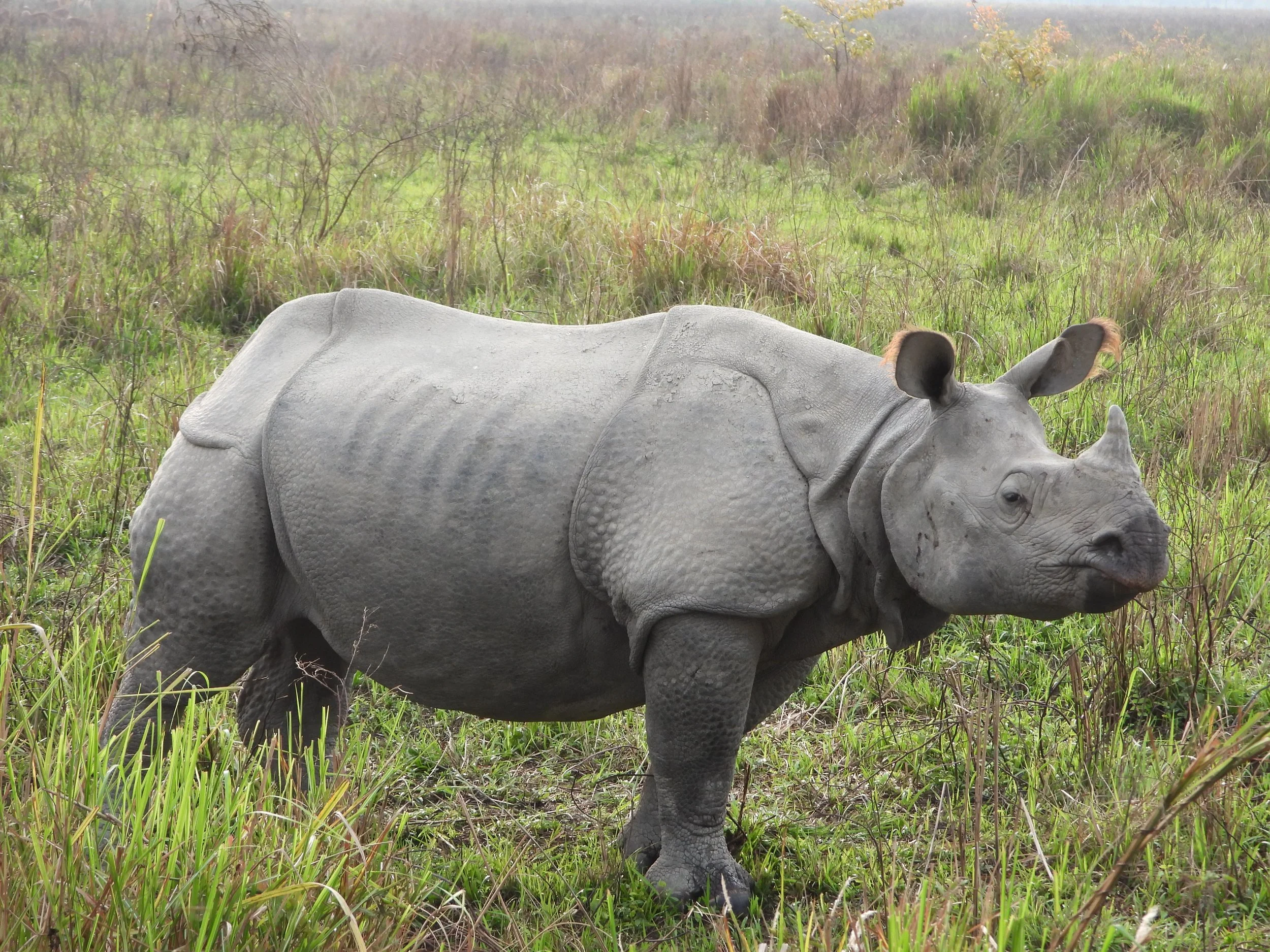
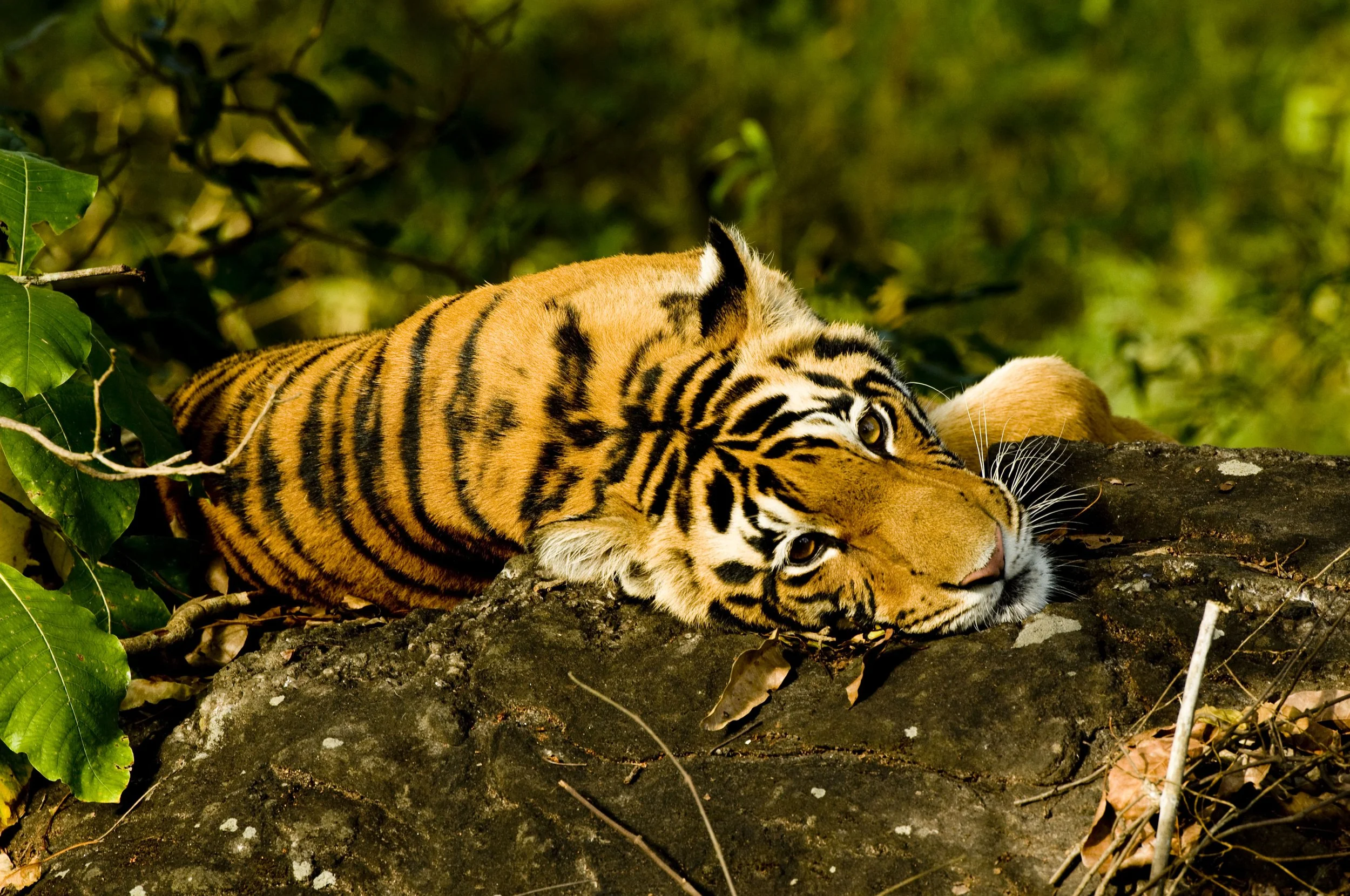
WildLandscapes Director of International Operations, Vanessa Stephen, recently travelled to North-eastern India for a site visit to an exciting ongoing project and to potentially seek new opportunities. This area is an incredible biodiversity hotspot, boasting an impressive array of over 376 plant species, 106 non-timber forest products, and 200+ bird and 90+ butterfly species recorded. It is also home to a massive diversity of larger wildlife, including rare and endangered species such as the Asian elephant, Bengal tiger, and greater one-horned rhinoceros.
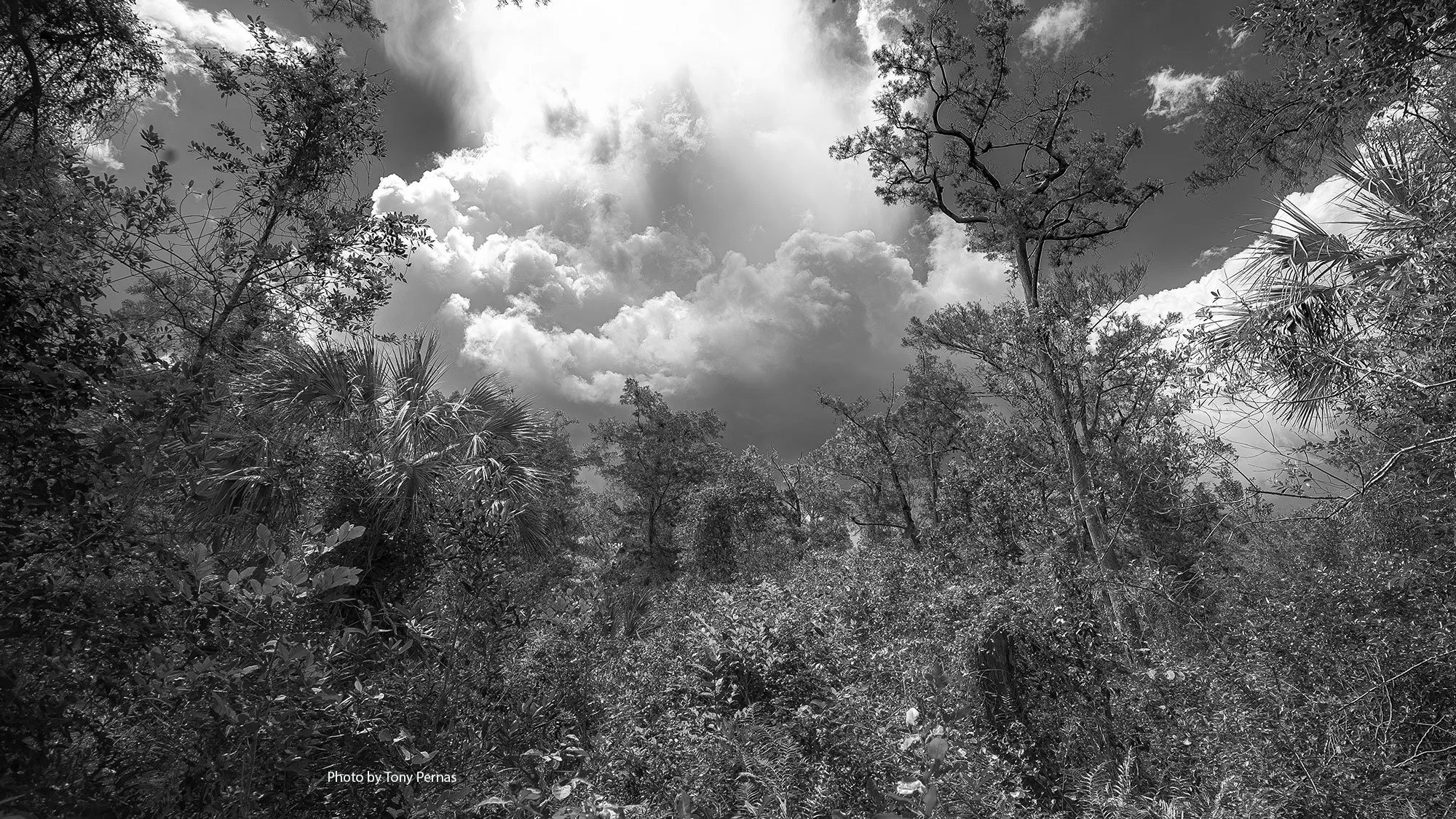
WildLandscapes' ambitious "Green Heart of the Everglades" project is one step closer to completion, with the first phase of the 11,141-acre land acquisition nearing public ownership. The site, which is set to become a vital piece in the jigsaw puzzle of south Florida's Greater Everglades Ecosystem, is already proving to be a hotbed of biodiversity.
Laikipia County – known for being Kenya’s stronghold for rhinos – has long been a key target for wildlife poachers. Since a resurgence in poaching in East Africa a decade ago, players in Laikipia have been stepping up their enforcement efforts in an attempt to protect their ever-threatened wildlife. With the help of some furry friends, anti-poaching efforts have shown great promise.
The U.S. Fish and Wildlife Service has closed a deal acquiring a 306.30-acre piece of New Hampshire’s northern hardwood forest in the Mascoma Headwaters unit of Silvio O. Conte National Fish and Wildlife Refuge. The property will now be added to Conte Refuge in fee simple for its permanent protection. The acquisition of this parcel of land (Unit B) marks a major accomplishment for us and our partners, the Bear Hill Conservancy and the Kilham Bear Center.
With two out of three phases complete, WildLandscapes’ efforts to permanently protect 14,817 acres of New Hampshire’s northern hardwood forest with the Bear Hill Conservancy is well on its way. Phase III will finally maintain an incredible region for biodiversity while creating connectivity between Bear Hill and White Mountain National Forest. In the last two months, we’ve identified a major source of funding that will help us complete this final phase.
Along with seven co-authors, Dr. Vratika Chaudhary, Data Scientist with NatureServe, has recently published her findings after compiling and analyzing six years’ worth of camera-trap data from Pakke Tiger Reserve in northeastern India. The project’s ultimate purpose was to create baseline species-richness and occupancy estimates for the mammalian community of the reserve by taking a full-scale, community-level research approach (which is a rare feat in India).
Combined with anthropogenic factors and occupancy modeling, six years of camera-trap data has now turned into a clearer picture of Pakke’s biodiversity.