Our efforts to protect the minerals beneath Big Cypress National Preserve’s surface are picking up steam, and we're doing our best to get the word about preventing oil exploration operations. Big Cypress National Preserve’s importance can’t be understated, and it's time we protect it forever.
"The new operations would mark the first expansion of oil drilling since the preserve was created a half century ago in the midst of the 1970s oil crisis," wrote Jenny Staletovich in her article for South Florida’s WLRN. Follow the link to the full article, and keep reading here to learn more about the work that’s left to be done.
Protecting important landscapes isn’t easy work, so we think celebrating success in conservation is important when you find it. That’s why we’re proud to share that Kelly McDowell, Senior Project Manager with WildLandscapes, is the recipient of the 2021 U.S. Fish and Wildlife Service Division of Realty Land Legacy Award for his exceptional work with the National Wildlife Refuge System!
Click to read more about Kelly’s accomplishments and additional WildLandscapes staff updates.
From mangrove forests bordering coastal channels to American alligators floating though dimly lit cypress swamps, the Everglades offer some of the nation’s most iconic landscapes. It’s easy to understand why Everglades National Park hosts around a million visitors each year, but the landscapes right next door are just as important to Southwest Florida’s remarkable ecosystems and wildlife. That’s why we’re so interested in protecting Big Cypress National Preserve.
If I asked you to picture a brown bear, there’s a good chance you’d image one of Alaska’s massive bears standing in a stream, fishing for salmon. Can you see it now? More likely than not, you’re picturing Brooks Falls in Katmai National Park and Preserve. Don’t know it by name? Well, I’m sure you’ll recognize it by sight.
Together, Katmai National Parks’s brown bears and sockeye salmon make a positive feedback loop that creates a system of resources benefitting the area’s wildlife, plant life, and ecosystem as a whole.
For conservationists and preservationists, the slight, implicit difference between “conservation” and “preservation” in connotation is significant because, in practice, it indicates a difference in how to carry out protection. WildLandscapes focuses on adaptive landscape conservation that protects land for wildlife and people while allowing for uses like, for example, sustainable ranching on landscapes in Florida.
In November we were informed that the Adventure Travel Conservation Fund had kindly given WildLandscapes a grant of $7,000 towards a project being run by our partners, Ol Pejeta Conservancy, in Laikipia County, Kenya.
While still wild and connected to the greater landscape through wildlife corridors, the sheer number of herbivores that this landscape supports can take its toll – particularly during periods of drought as has been seen recently in northern Kenya. These dry times concentrate wildlife (and community livestock) into much smaller areas, the vegetation of which consequently…
At WildLandscapes, maps are an integral part of our everyday work. When pursuing land conservation initiatives, we need to be able to visually represent the area and resources in a way that is clear and easy to understand. This isn’t always as straightforward as it sounds! Mapmaking is time-intensive and involves a lot of trial and error.
Like the illustrations for any story, we need our maps to be visually appealing, engaging, and easy to understand. At WildLandscapes, we work hard to make sure our maps allow you to follow along with our journey to conserve wild places for wild things such as the Florida Wildlife Corridor.
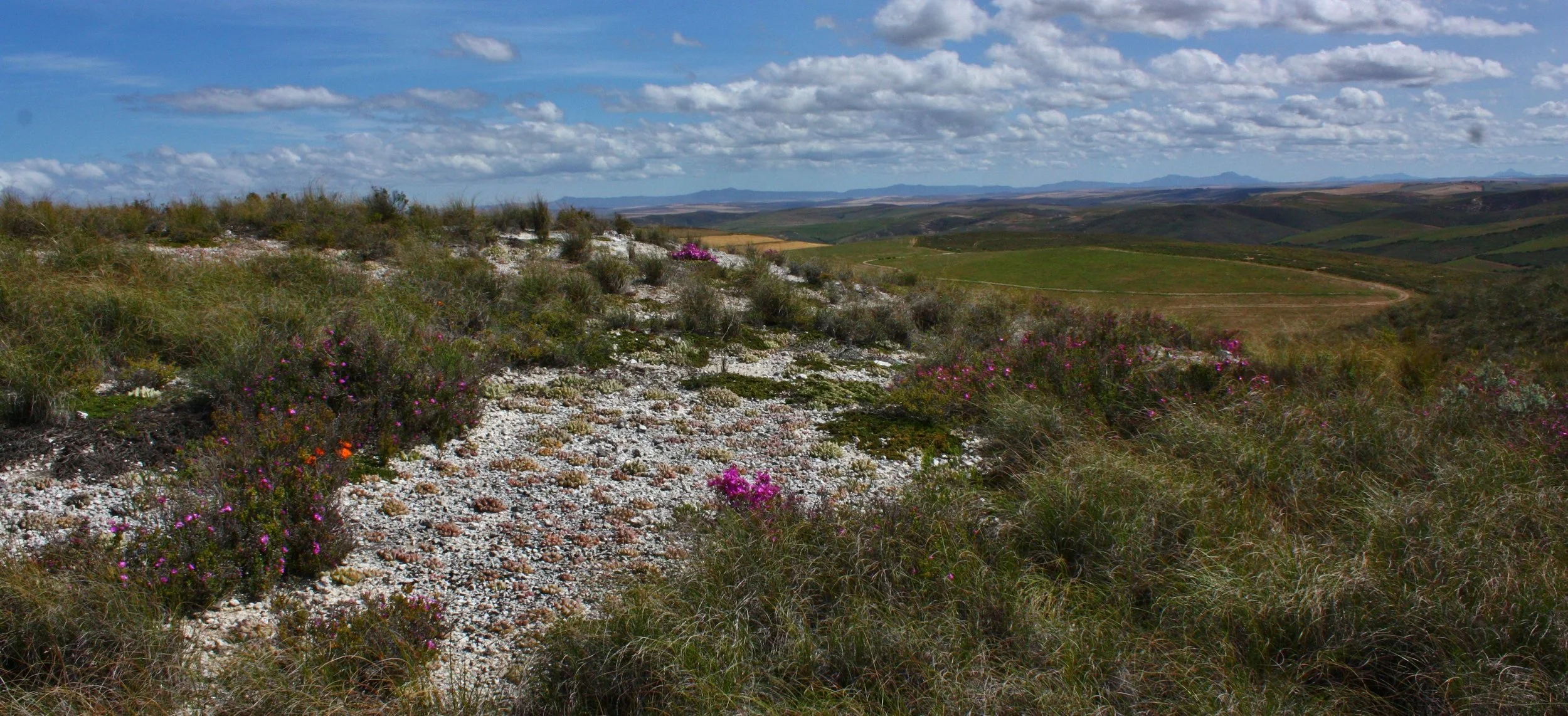
WildLandscapes International is assisting the ORCT with securing 1,825 acres of Critically Endangered Renosterveld, one of the most endangered vegetation types on the planet. This vital habitat will adjoin and extend the Nature Preservation, ensuring that it is protected going forward.
These are only two properties with this amount of renosterveld remaining and the only way of securing them is through purchase. Donors have raised half the funds needed for purchase, but without the remaining funds the conservation areas will remain unsecured.
Dominated by three prominent features, the Ugashik-Peulik volcano, Becharof Lake, and the ocean coastline of Shelikof Strait, the 1,200,000 million-acre refuge supports outstanding biodiversity on the land, in the water, and through the air.
Learn more about our projects in Alaska.