

Kidepo Valley: Restoring Balance to a Remarkable Landscape
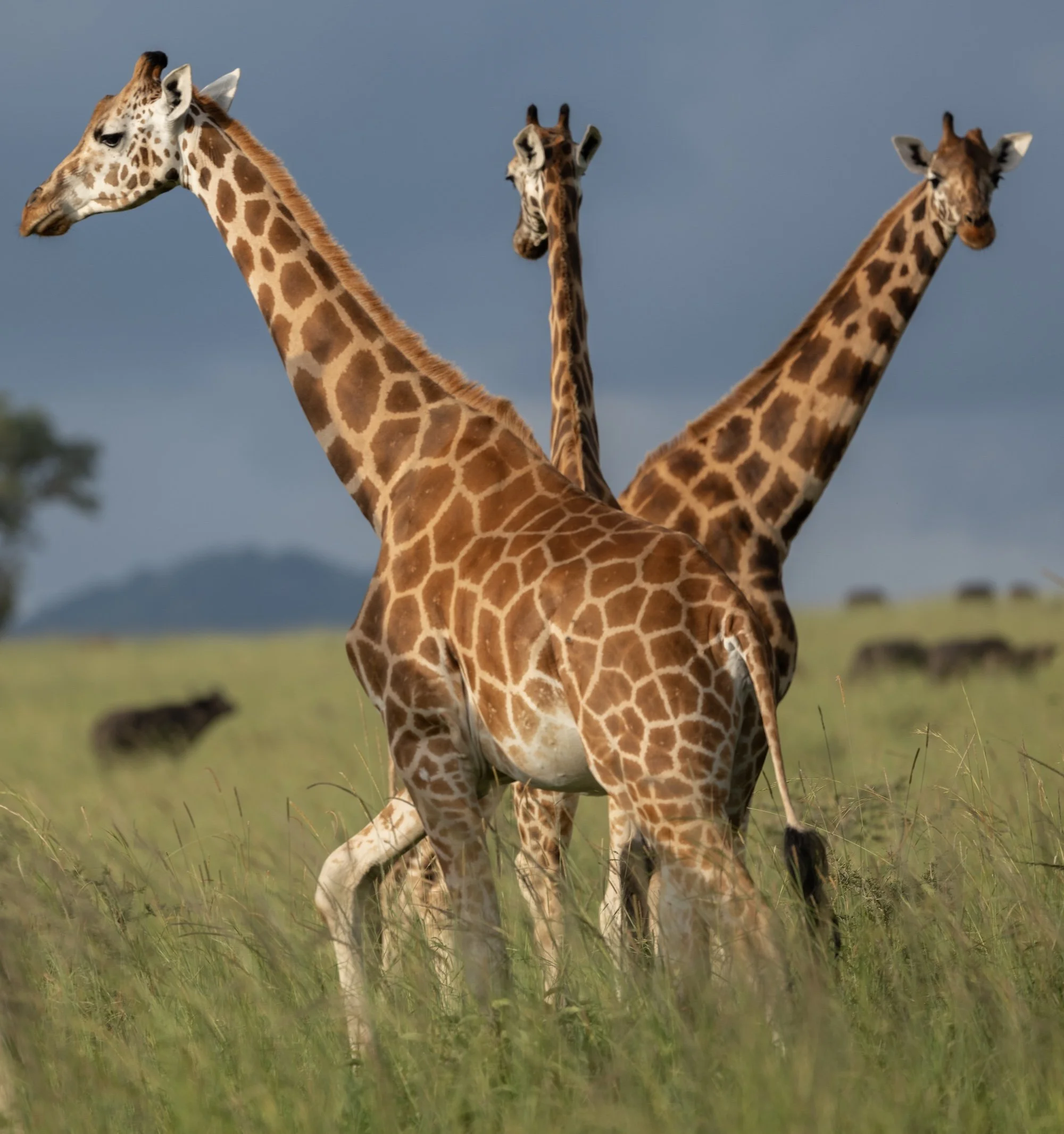
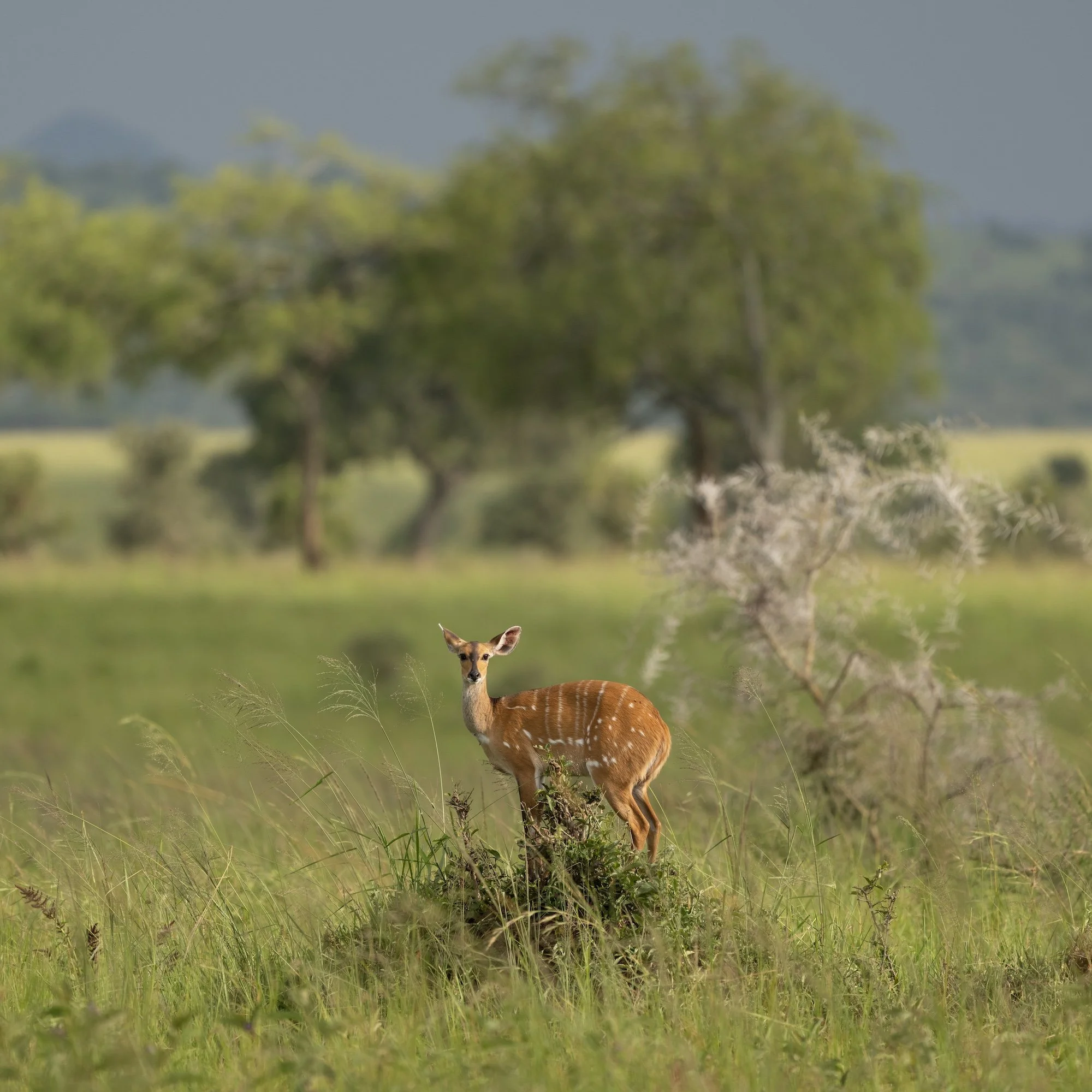
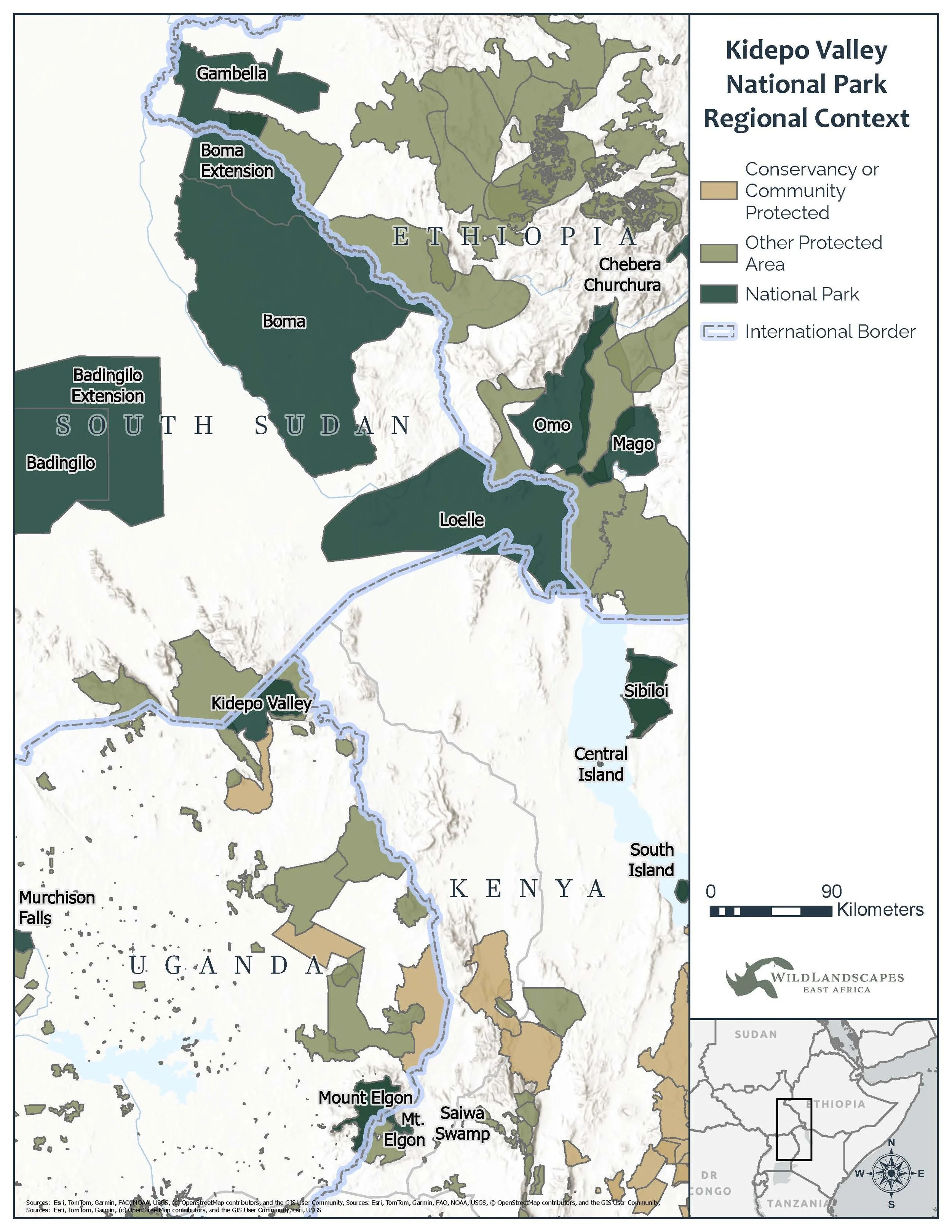
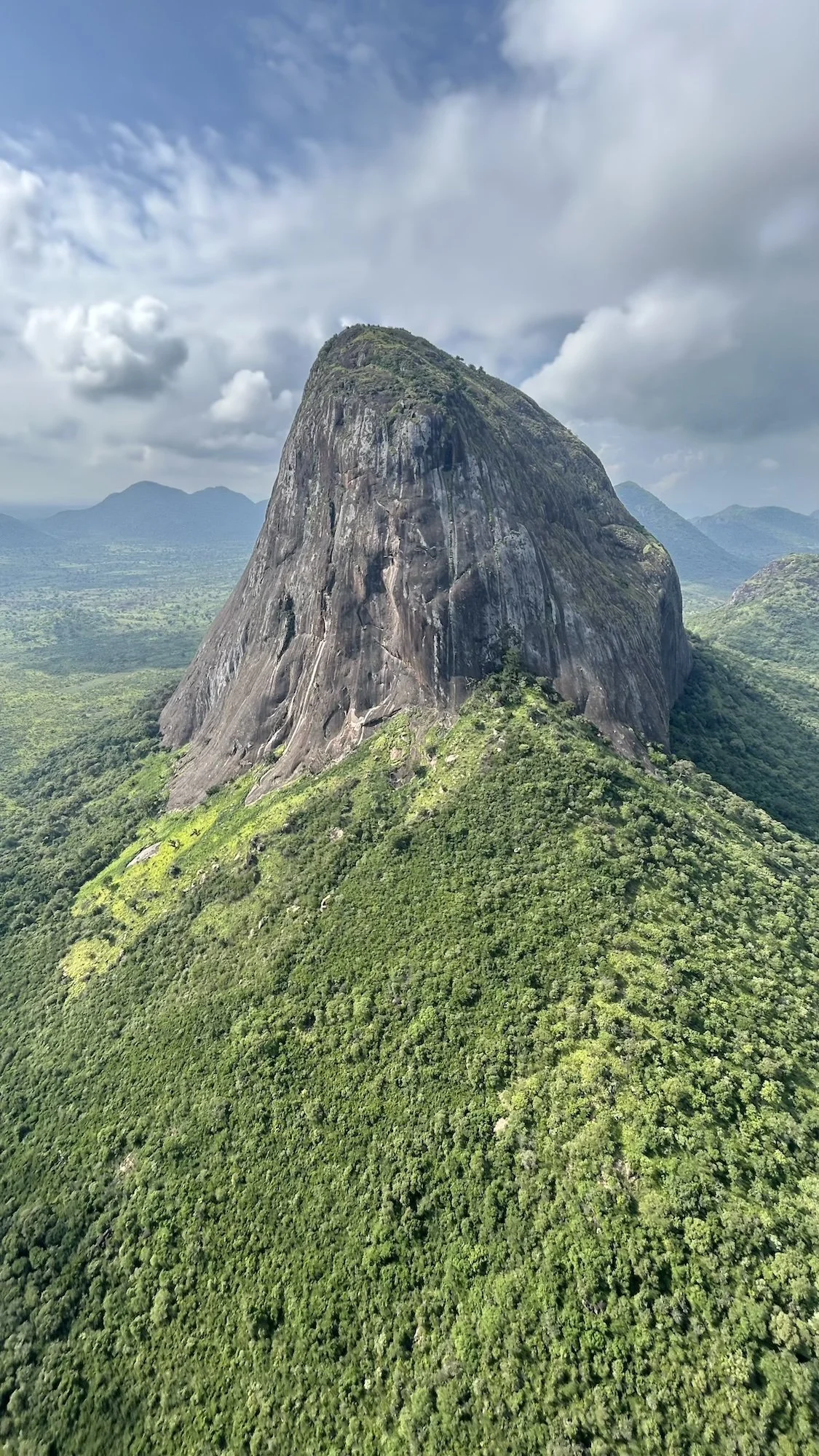
Kidepo Valley National Park is a place of breathtaking extremes. Rugged mountains and claw-marked valleys give way to sweeping grasslands, framed by distant horizons and seasonal rivers. Vast, remote and spectacularly beautiful, it evokes a timeless image of African wilderness. Wildlife thrives here: plains game and predators are plentiful, and elephant numbers are growing steadily. Yet one key species is missing - the rhino.
Once, rhinos roamed this landscape freely, shaping the ecosystem alongside elephants, lions, buffalo and countless other species. Decades of poaching, conflict and habitat loss, however, drove them to extinction within Kidepo’s borders. Their absence left a gap not just in species diversity, but in the ecological processes that help keep savanna systems healthy and balanced.




We’re working to change that. The Kidepo Rhino Reintroduction Project is an ambitious, carefully planned initiative to reintroduce both southern white rhinos and eastern black rhinos to Kidepo Valley National Park. The first stage is the creation of a 17,050-acre fenced sanctuary in the Narus Valley, where rhinos will be reintroduced in managed phases to give them the strongest possible start.
Initially, a founding population of white rhinos will be established to create a stable breeding base. This will eventually be followed by the introduction of eastern black rhinos, helping to restore the species to its former range. Their protection will be supported by advanced tracking technology, robust anti-poaching measures, veterinary oversight and long-term monitoring, alongside sustained engagement with surrounding communities.
The project is led by the Uganda Wildlife Authority (UWA), in collaboration with the Uganda Conservation Foundation (UCF) and a wide network of conservation partners, wildlife experts and local communities. WildLandscapes plays a central role by mobilising funding, building partnerships and supporting the long-term success of the programme.
Preparing the Landscapes and its People
Reintroducing rhinos means preparing both the land and the communities that live alongside it.
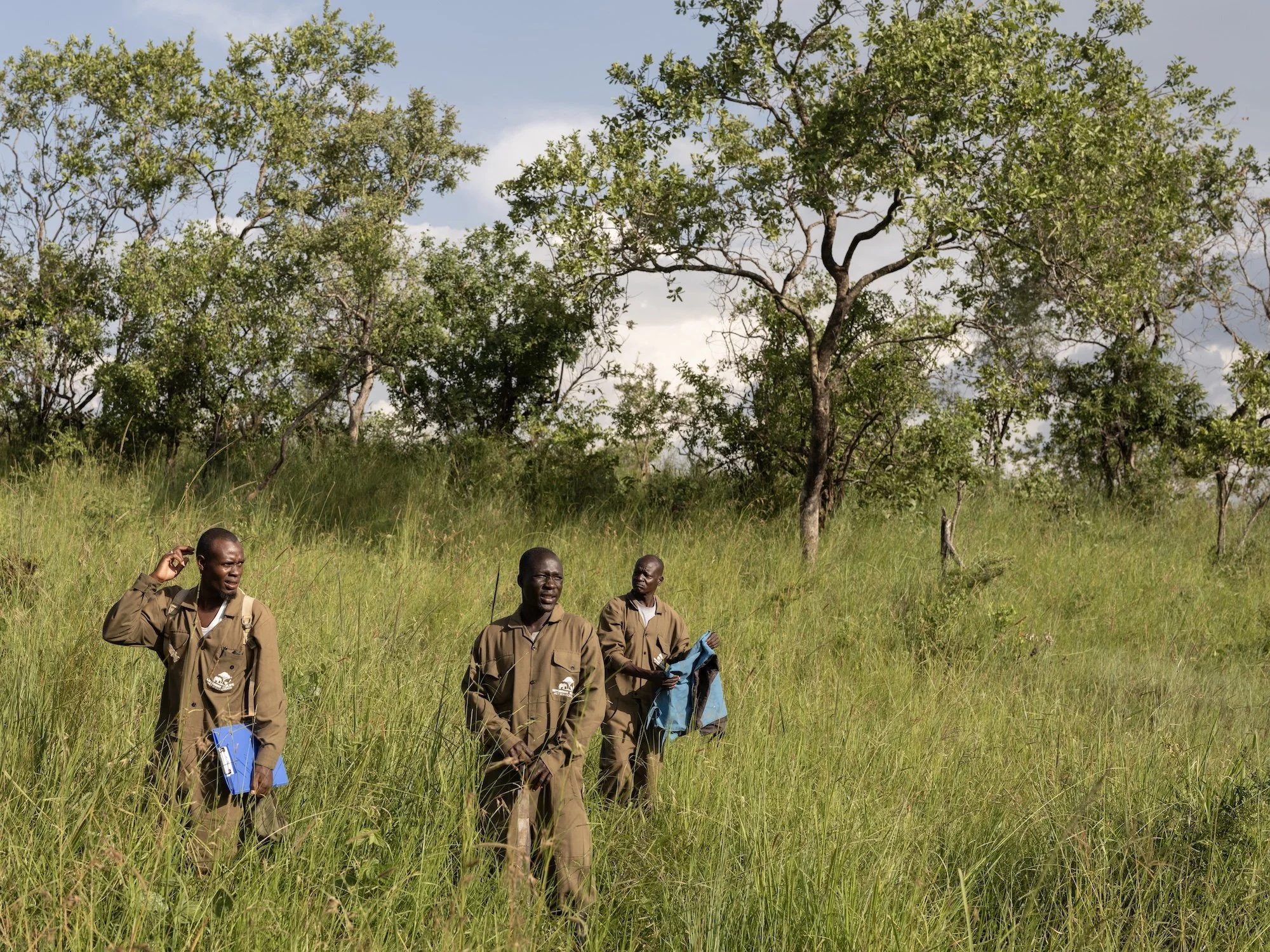
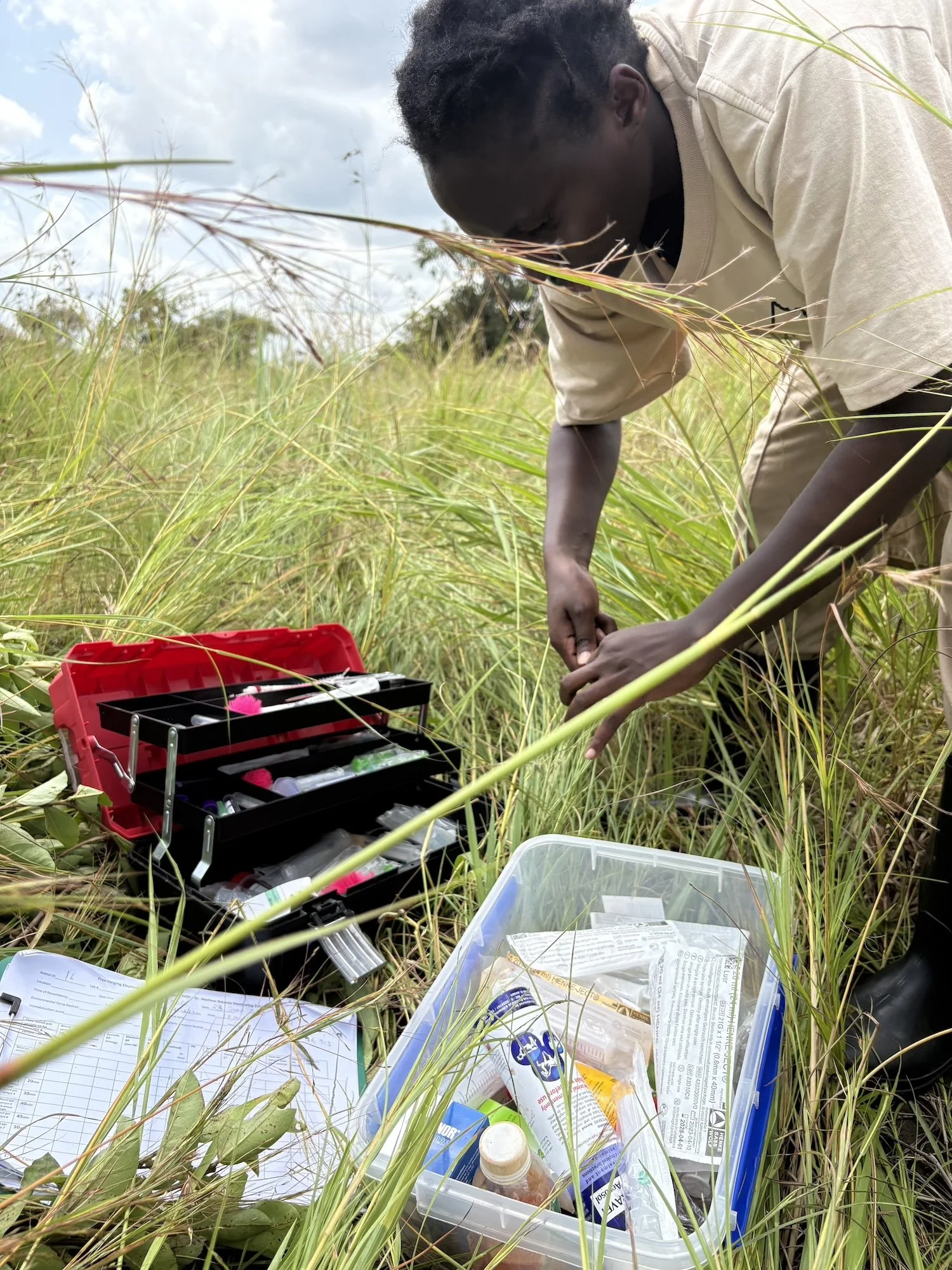
One of the most important, and least visible, challenges in Kidepo is the presence of tsetse flies, which transmit trypanosomiasis, a disease particularly dangerous to rhinos, especially during periods of stress. While Kidepo offers ideal habitat in most respects, this risk needs to be carefully managed. With support from the Platcorp Foundation, we have launched a targeted tsetse control programme designed to reduce fly numbers to safe levels, allowing rhinos to adapt gradually and build resilience.
This work, led by wildlife veterinarian Dr Matthew Mutinda and based on proven approaches used in Kenya’s Meru National Park and other locations, also creates local employment and fosters a sense of shared ownership in the project’s success.
Alongside this, we’re investing in livelihood diversification for communities living along the park’s edge. Through stakeholder engagement, a clear priority emerged: reliable income sources that reduce pressure on natural resources. In response, and again with support from the Platcorp Foundation, we’ve partnered with women from Morungole Community Conservancy to establish small-scale poultry enterprises. The initiative supports household incomes while strengthening positive links between community wellbeing and rhino conservation.
The return of rhinos to Kidepo is about more than bringing back a single species. As ecosystem engineers, rhinos shape vegetation, open up grazing areas and support the health of the wider savanna. Their presence will also strengthen conservation-based tourism, creating new opportunities for local communities and reinforcing the value of protecting the park.
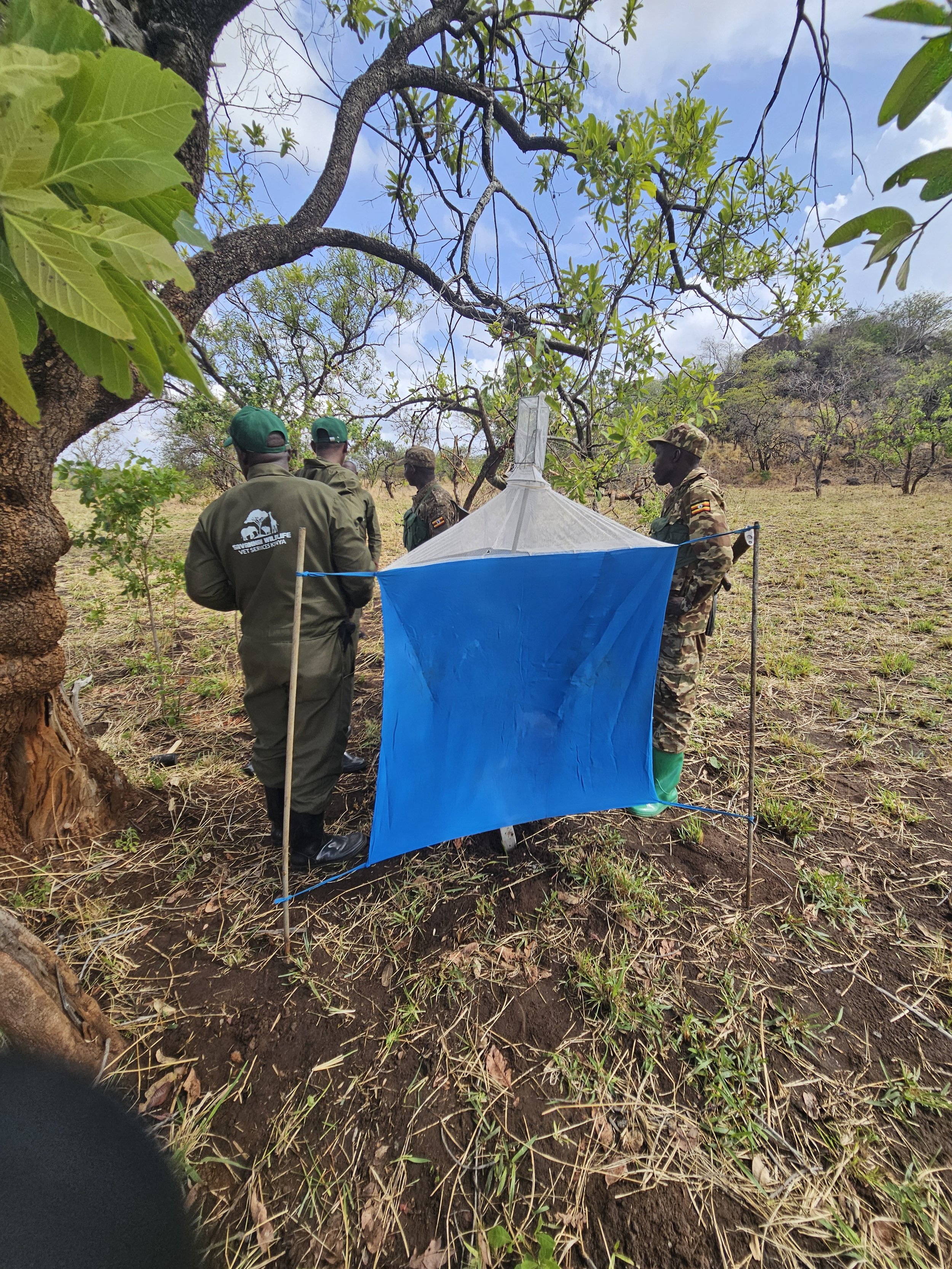
Over 1,000 tsetse targets have already been deployed.
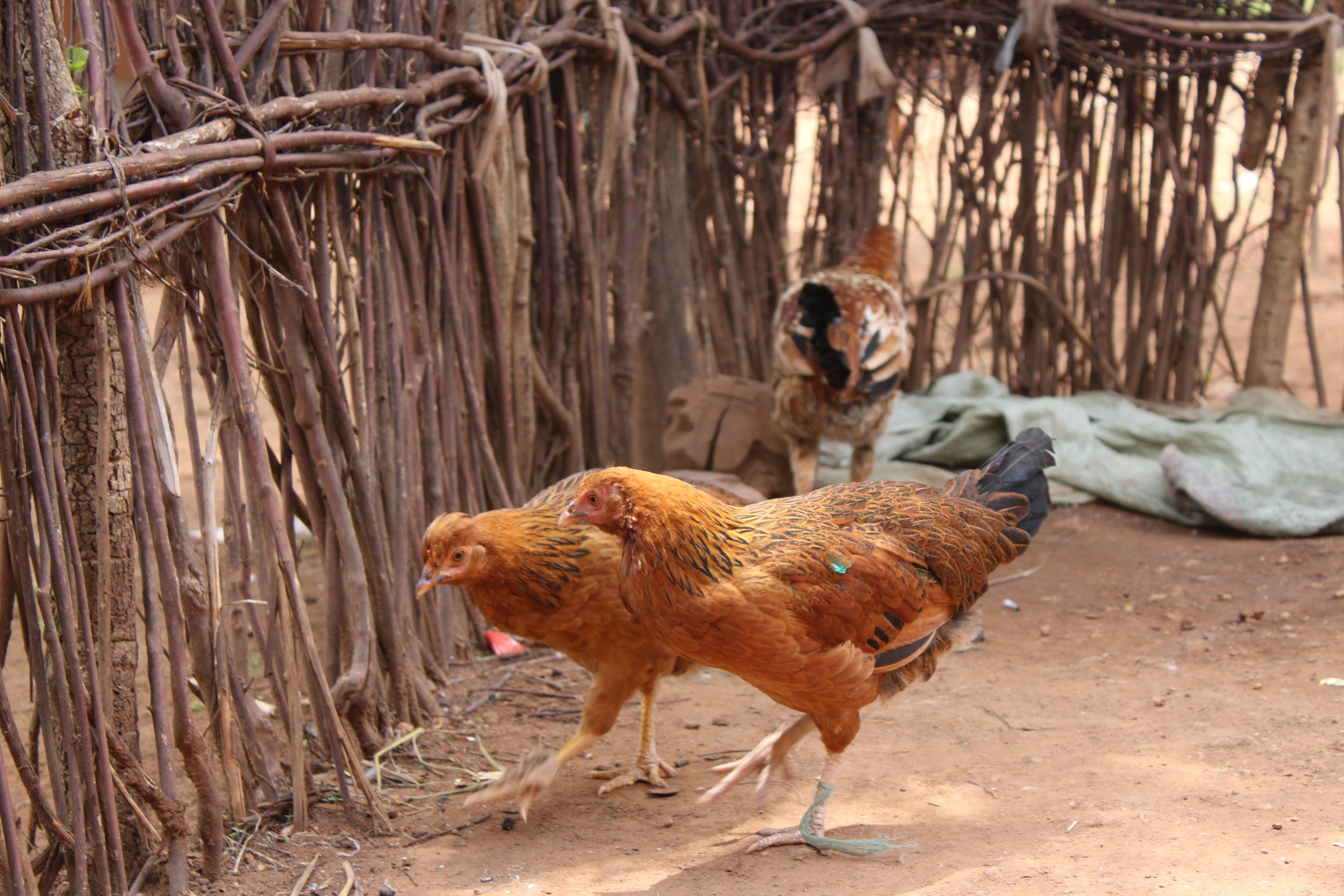
The poultry farming project will bring conservation benefits to the women of Morungole Conservancy.
Living with Giants: Elephants and Coexistence
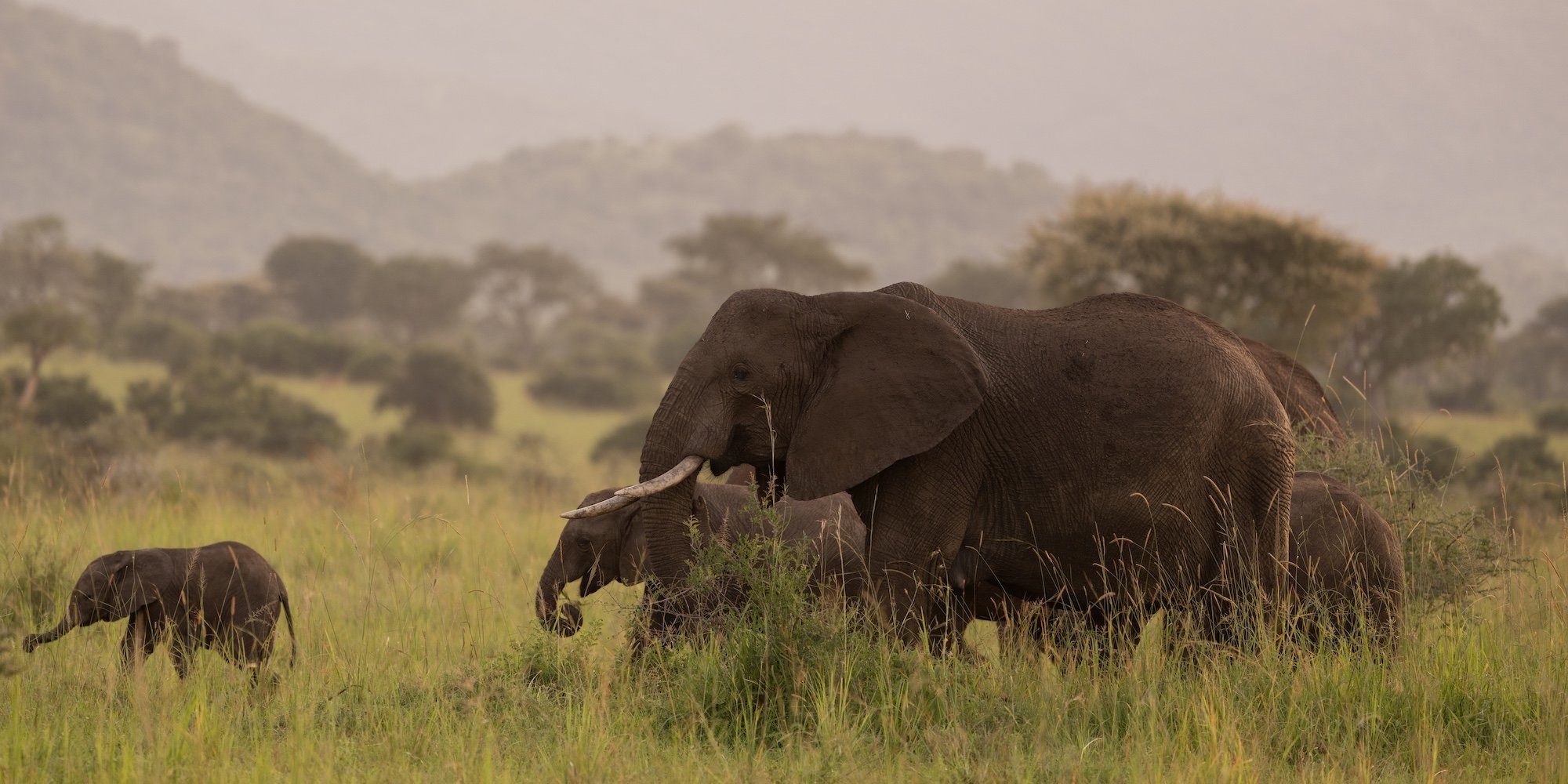
Rhinos are not the only species reshaping Kidepo’s future. Years of successful protection have led to a remarkable recovery in elephant numbers, with the park now supporting one of Uganda’s largest elephant populations. But ancient migratory routes increasingly overlap with farmland, schools and growing settlements beyond the park boundary. The result has been painful and predictable: crops destroyed overnight, livelihoods threatened, and children afraid to walk to school.
And yet, there is enough land and resources for both people and elephants; the challenge lies in learning how to live alongside one another.
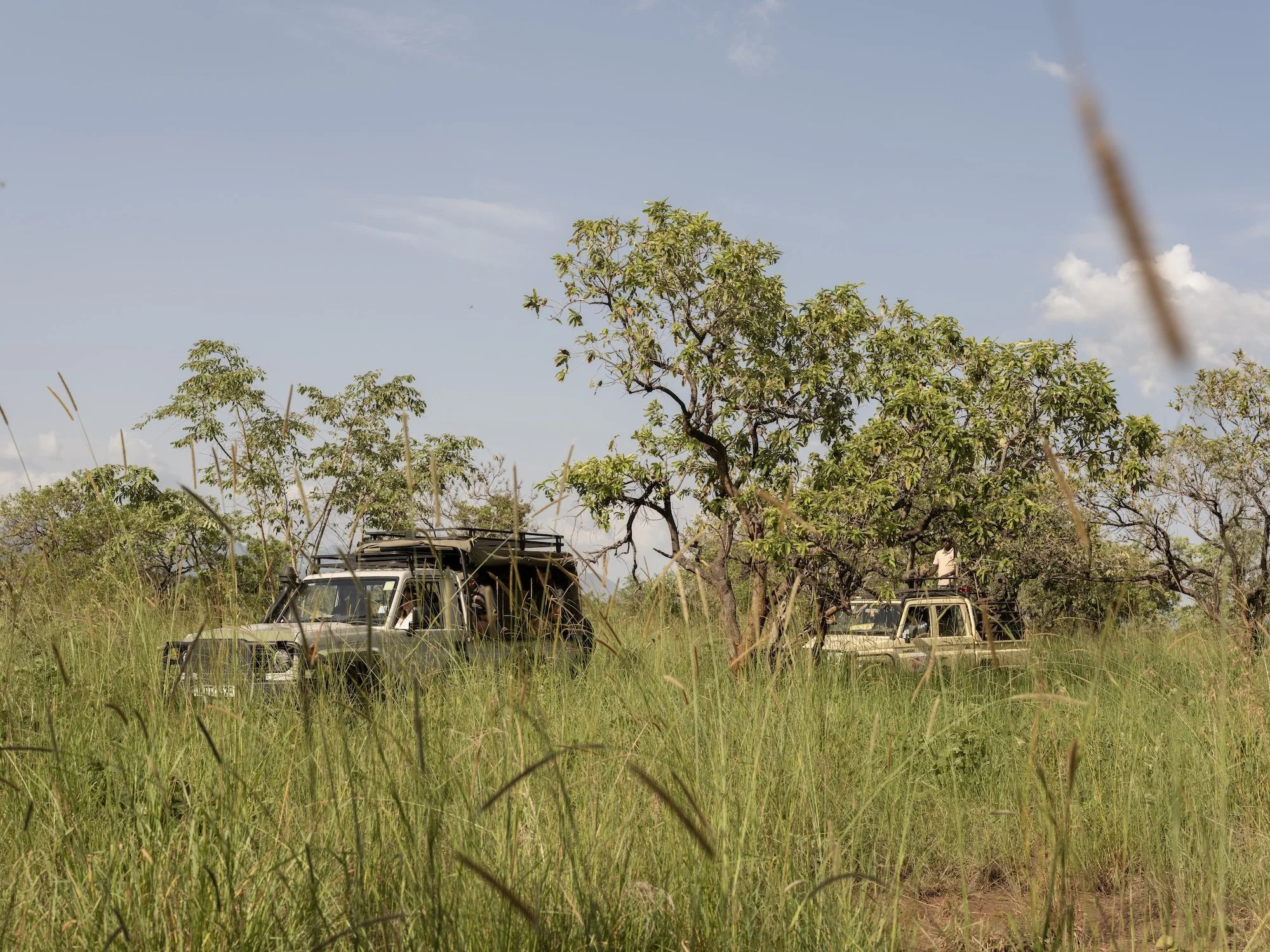
To address this, a major science-based assessment was commissioned to identify practical solutions to human–elephant conflict around Kidepo. From this, the Kidepo Human–Elephant Conflict Project was born, taking a proactive, evidence-led approach to coexistence. The strategy combines targeted electric fencing to protect the most vulnerable farms while keeping wildlife corridors open, GPS tracking and real-time monitoring to provide early warnings, and rapid-response teams equipped with non-lethal deterrents such as lights and drones. Crucially, communities are central to the approach, receiving training and tools that help reduce conflict and build long-term support for conservation.
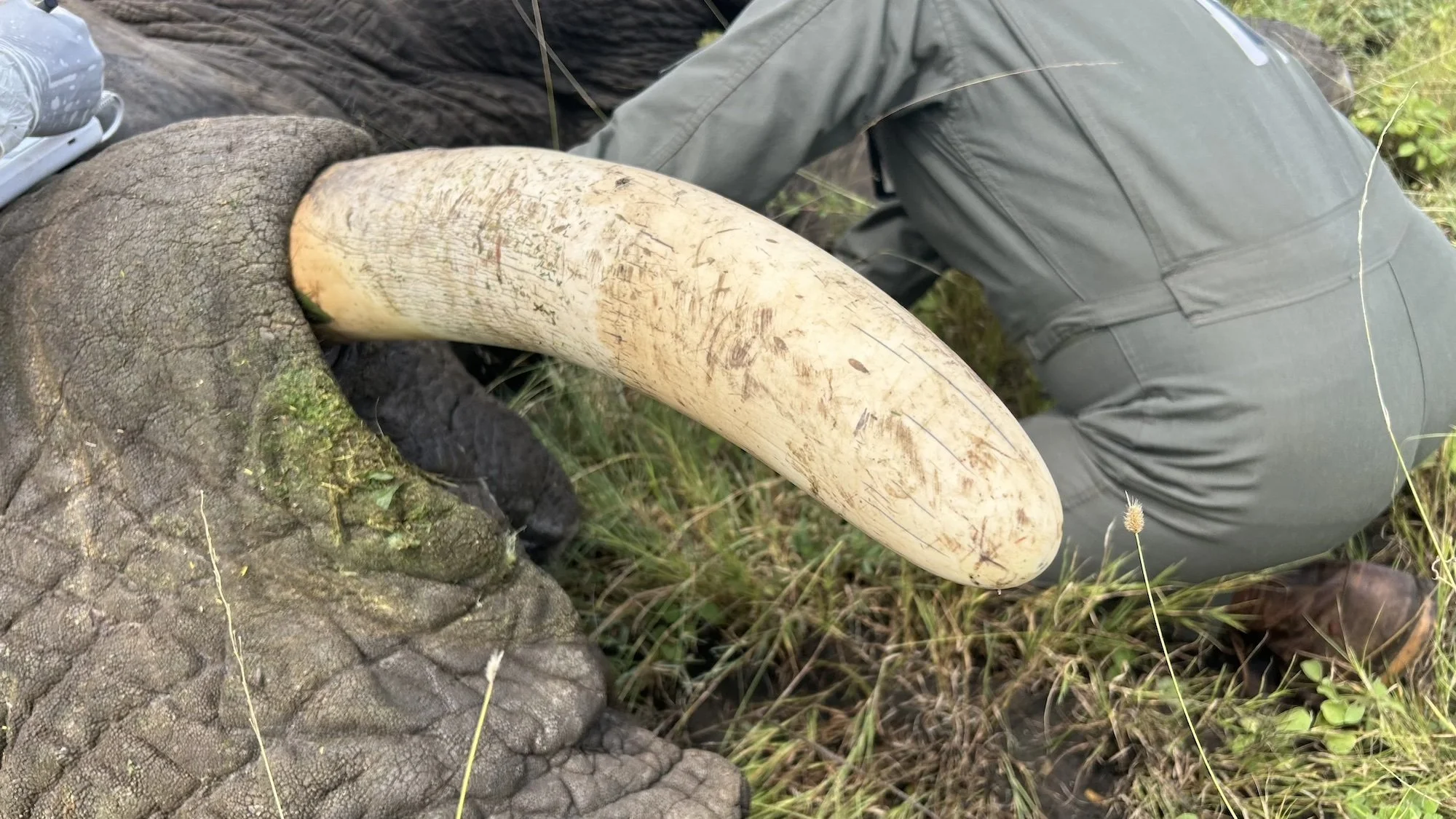
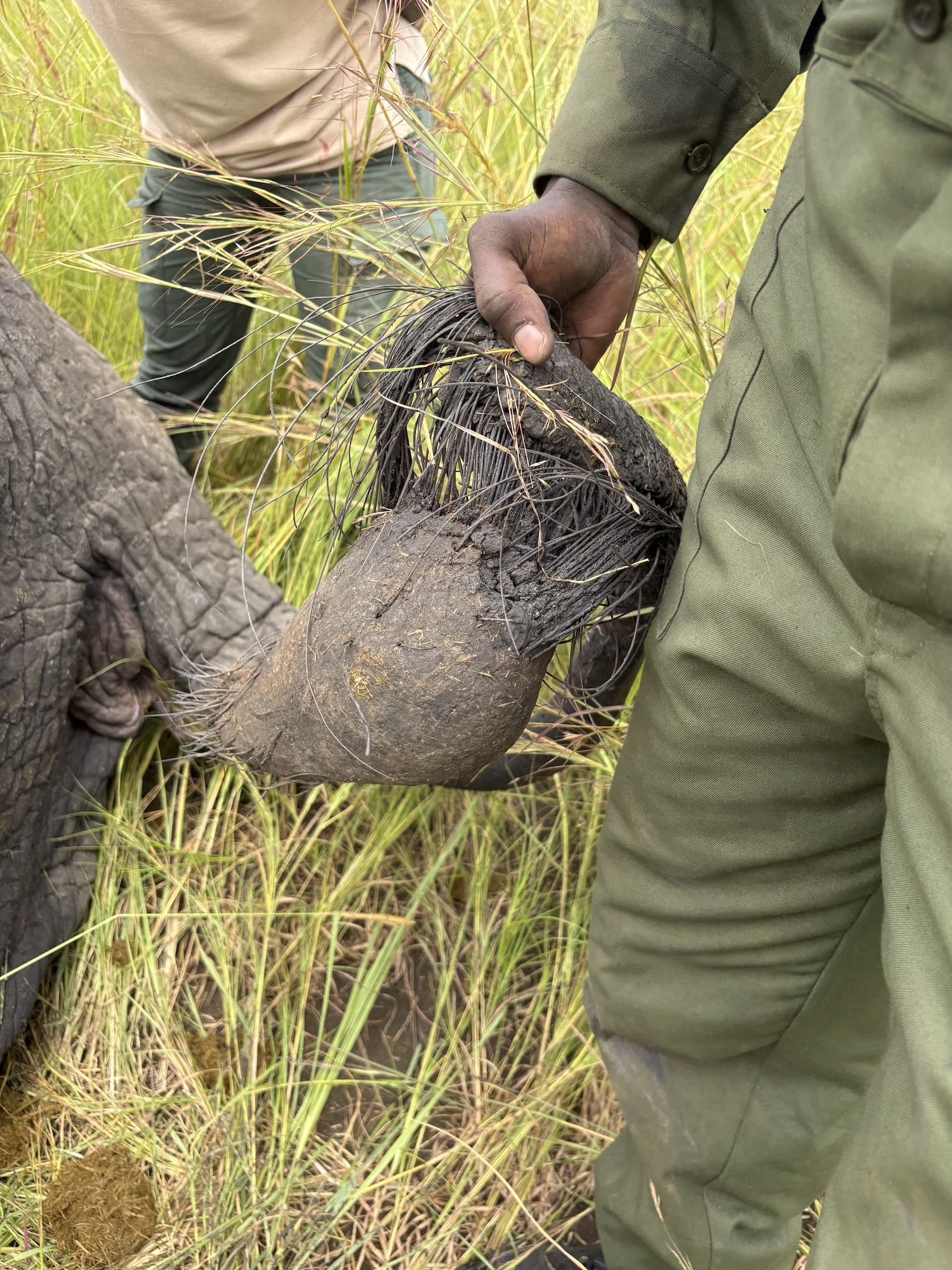
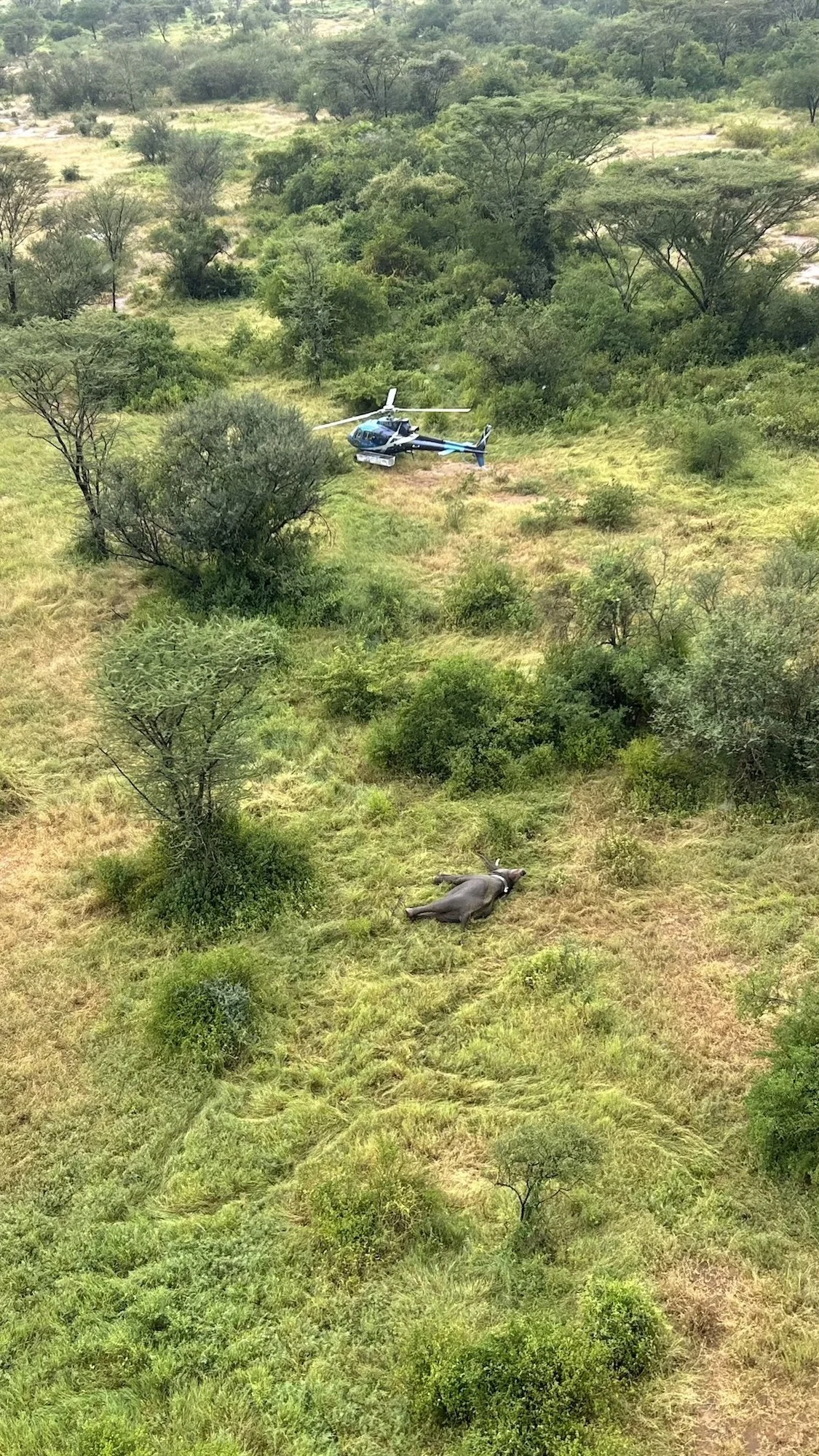
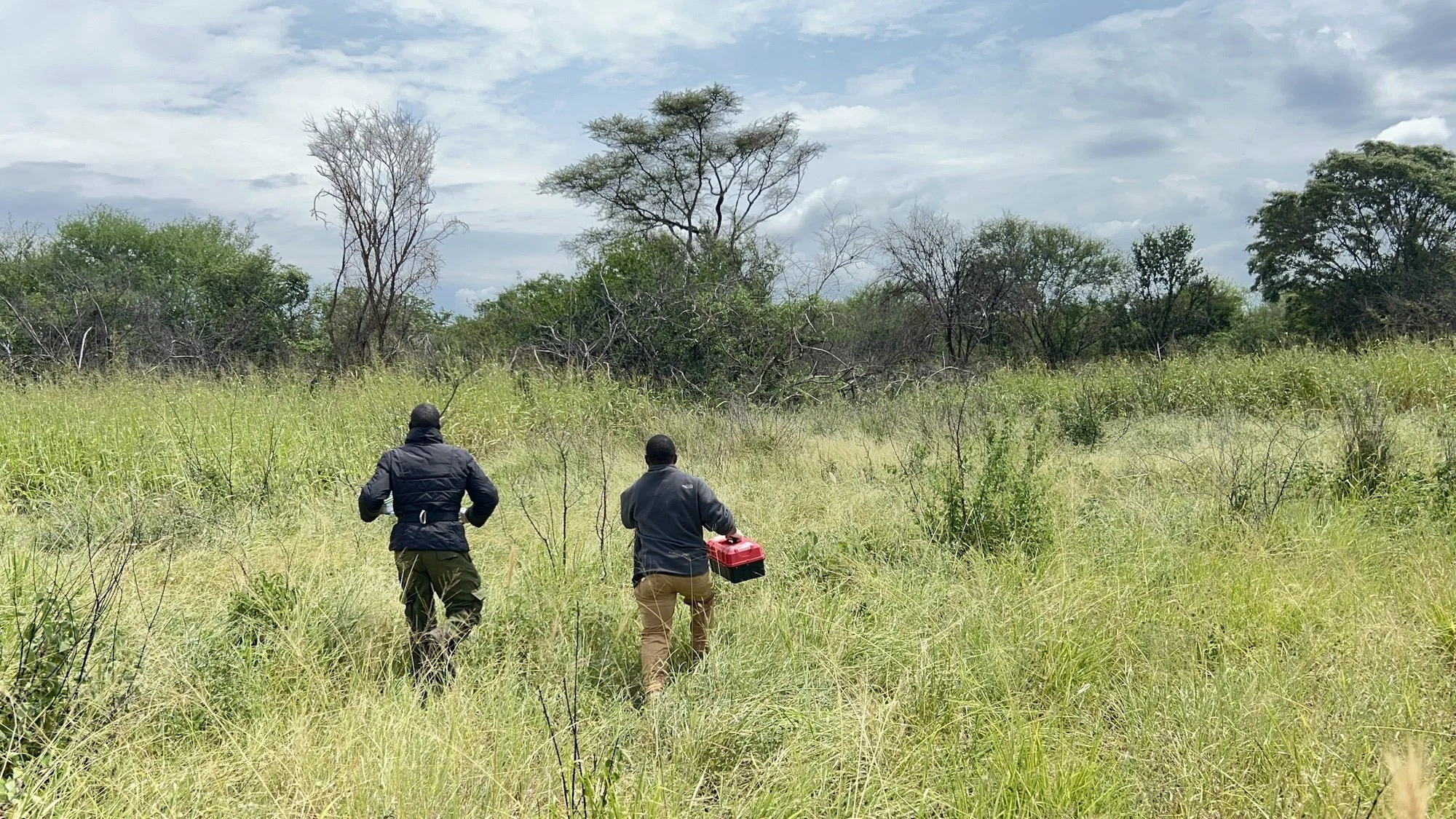
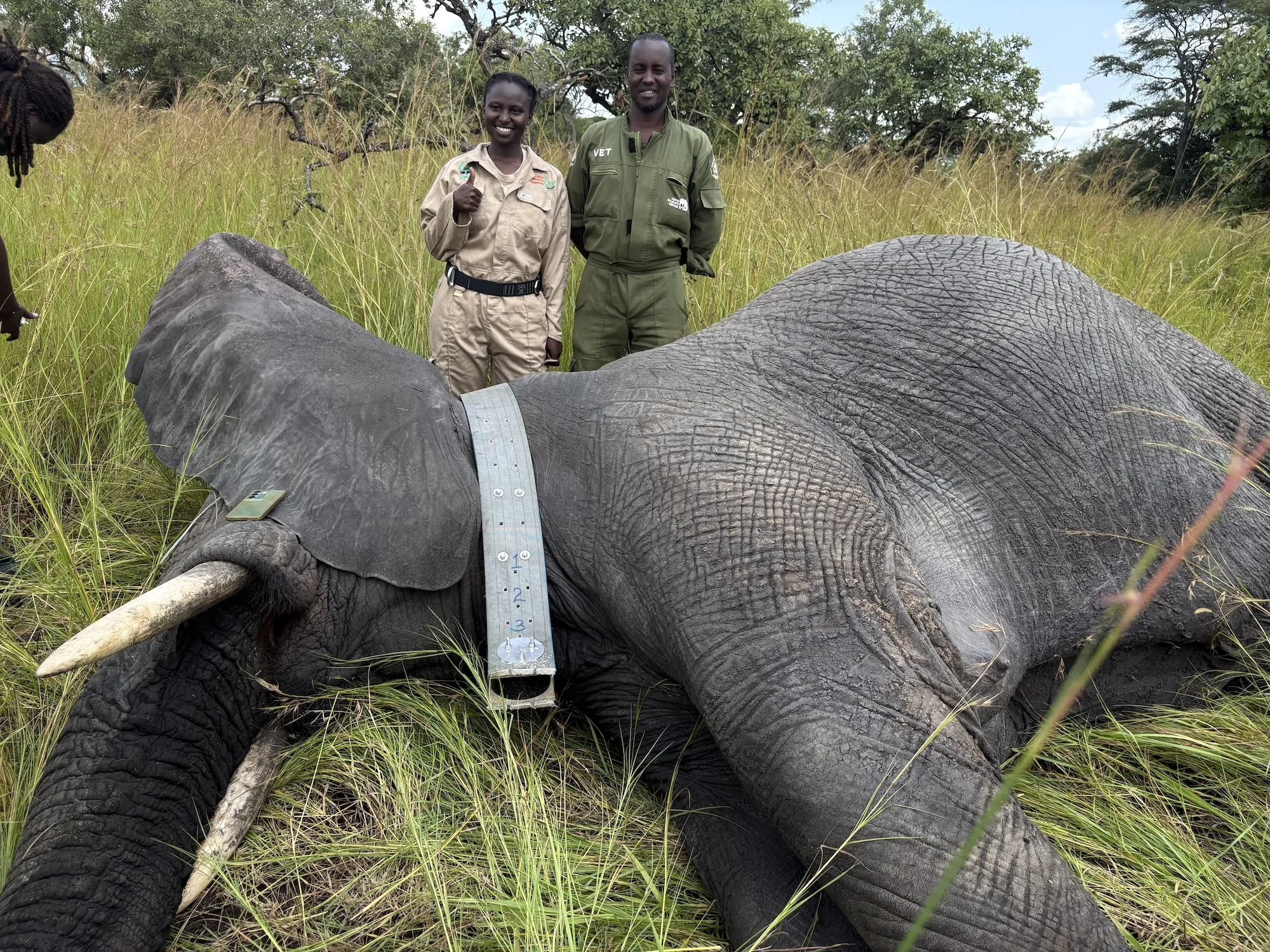
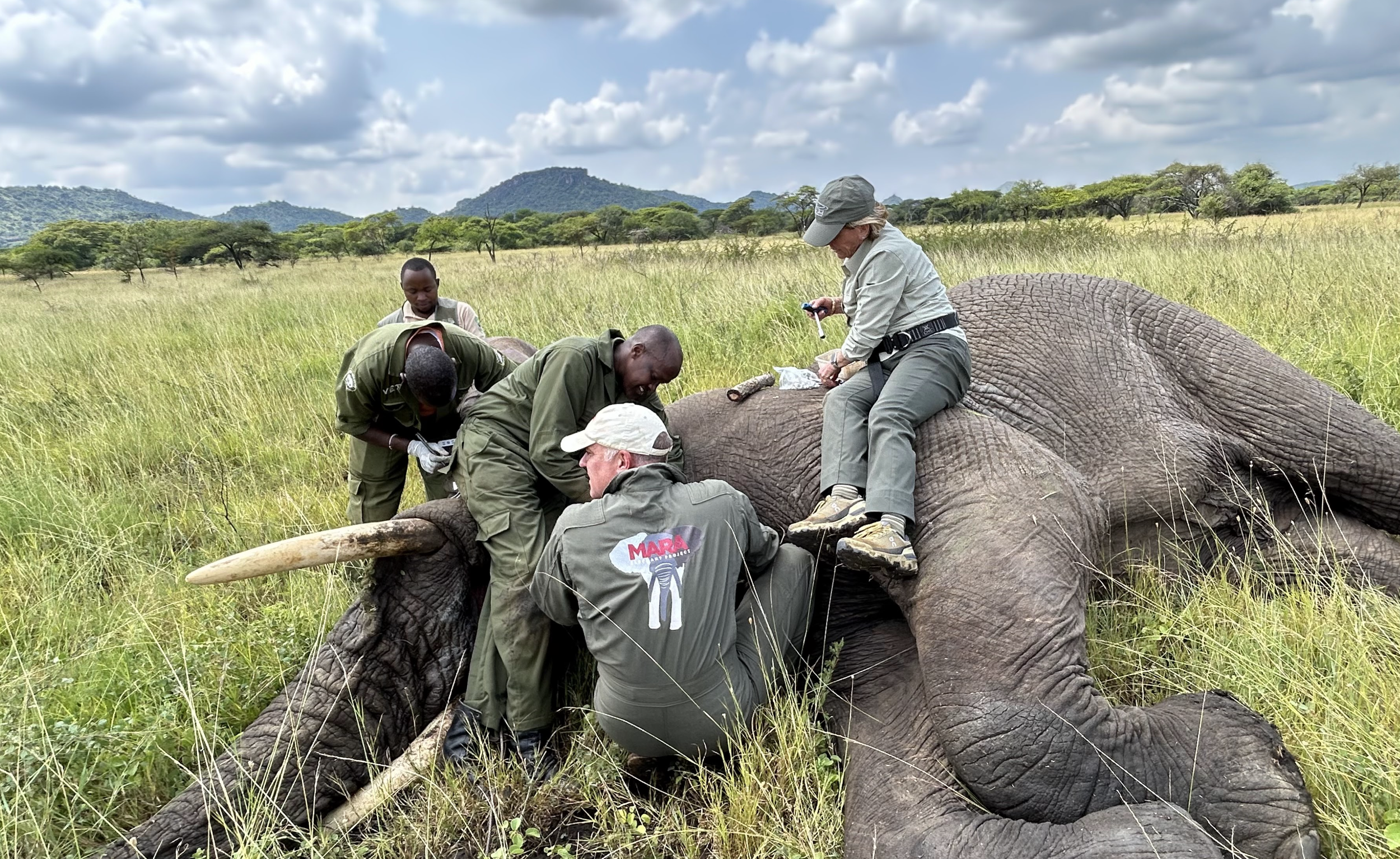
In June 2025, WildLandscapes East Africa partnered with UWA, UCF, the Mara Elephant Project, Save the Elephants, Northern Rangelands Trust and Tropic Air to collar 16 elephants in Kidepo. The data gathered is already improving our understanding of elephant movement and behaviour, helping to shape more effective, targeted responses to conflict.


One Landscape, One Future
Rhinos and elephants may face different challenges, but the solution is the same: a safe, connected landscape where wildlife can thrive and people can live and farm in peace.
Both species are keystone engineers, shaping vegetation, water access and habitat for countless others. Protecting them means protecting the integrity of Kidepo itself, its ecosystems, its communities, and its future. With long-term plans in motion, committed partners on the ground, and growing local support, Kidepo offers a rare opportunity: not just to restore what was lost, but to build a model for how people and wildlife can thrive together in one of Africa’s most extraordinary wildernesses.
The Uganda Wildlife Authority (UWA) manages the country’s network of national parks and reserves. With a mandate to conserve Uganda’s rich biodiversity, UWA supports species protection, ecological research, and nature-based tourism. Its responsibilities include tackling poaching, resolving human–wildlife conflict, and leading wildlife reintroductions, including Uganda’s national rhino recovery strategy.
The Uganda Conservation Foundation (UCF), founded in 2001, is a UK-registered charity that works in close partnership with the Uganda Wildlife Authority to restore national parks, reconnect wildlife corridors, and reduce illegal activity. Its efforts include building ranger infrastructure, running anti-snare patrols, and supporting education and livelihoods in neighbouring communities. UCF’s field-based work has contributed to the recovery of elephants, giraffes, lions and other key species in Uganda.
Morungole Community Conservancy sits along the northern boundary of Kidepo Valley National Park, where community land forms an essential buffer and movement corridor for elephants, lions, and other wide-ranging species. Established by local households committed to protecting their landscape, the conservancy strengthens community stewardship while supporting practical measures such as ranger training, land-use planning, and early livelihood initiatives. WildLandscapes is working with local partners to help Morungole build strong governance and develop conservation opportunities that benefit both people and wildlife in this remarkable corner of northern Uganda.
The Rhino Recovery Fund (RRF), an initiative of the Wildlife Conservation Network, supports rhino conservation across Africa and Asia. It provides fast, flexible funding for anti-poaching, habitat protection, and community-led initiatives that address both immediate threats and long-term recovery. The fund enables trusted local partners to respond quickly and effectively in high-risk areas.
Founded in 2020, the Platcorp Foundation is the philanthropic arm of the Platcorp Group, providing long-term support for landscape conservation, sustainable livelihoods, and renewable energy across Africa. Recent partnerships include funding for conservancies in Kenya and community initiatives in Uganda that link environmental stewardship with rural development.
The Great Plains Foundation is an international conservation non-profit established by renowned filmmakers and conservationists Dereck and Beverly Joubert. With a focus on protecting critical habitats, supporting local communities, and safeguarding endangered species, the Foundation combines high-impact conservation work with sustainable tourism through its Great Plains Conservation camps. At Sera Wildlife Conservancy, the Great Plains Foundation is partnering with the Samburu community and WildLandscapes East Africa to establish a new safari lodge, designed to generate long-term revenue for rhino protection, community livelihoods, and rangeland management. By blending conservation investment with world-class ecotourism, the Foundation is helping to secure a resilient financial future for Sera while amplifying the story of community-led conservation on a global stage.
Kenya Wildlife Service (KWS) is the national authority responsible for conserving Kenya’s wildlife and protected areas. Established in 1989, it manages over 40 national parks and reserves, oversees ecological monitoring, and addresses human–wildlife conflict. KWS works with communities, private landowners, and NGOs to protect biodiversity and maintain essential corridors across Kenya.
Founded in 2011, the Mara Elephant Project (MEP) works to protect elephants and their habitats in the Greater Mara Ecosystem. Using GPS tracking, real-time monitoring and rapid-response ranger units, MEP tackles poaching and human–elephant conflict. Its community-based approach and use of technology make it a leading force in elephant conservation across the region.
Save the Elephants, founded in 1993 by Iain Douglas-Hamilton, is a research-led charity based in Nairobi. Its mission is to secure a future for elephants and the landscapes they inhabit. The organisation pioneered GPS tracking in Africa, supports coexistence tools such as beehive fences, and co-manages the Elephant Crisis Fund to address threats across the continent.
Established in 2004, the Northern Rangelands Trust (NRT) supports a growing network of 45 community conservancies across Kenya and Uganda. Governed by a Council of Elders drawn from its member conservancies, NRT works to link conservation with peacebuilding, grazing management, women’s enterprise, and youth engagement. Its efforts help protect critical species such as the hirola and Grevy’s zebra, while strengthening community resilience.