As we step into January 2026, we’re gathering ourselves for some major developments. 2025 was a year shaped by complexity, determination, and an extraordinary level of collaboration across landscapes, institutions, and communities. While conservation rarely feels easy, and never happens quickly, the progress made this year has been deeply encouraging, and we’re feeling confident and excited for everything that this upcoming year has to bring. Following is a brief summary of our progress and projects from the last 12 months.
WildLandscapes East Africa
One of the most important developments of 2025 was the formal launch of WildLandscapes East Africa (WLEA). Establishing a proximate organization has allowed us to work more closely with partners, employ and train local staff, and respond more effectively to emerging challenges and opportunities, while managing funding with greater flexibility and accountability. Over the year, WLEA became operational across several landscapes, supporting everything from community conservancies facing sudden funding shortfalls to long-term species recovery and corridor protection. This step reflects a long-term commitment to conservation in East Africa that is locally embedded, institutionally strong, and built with the resilience and maturity needed to adapt as circumstances evolve.

Strengthening our team
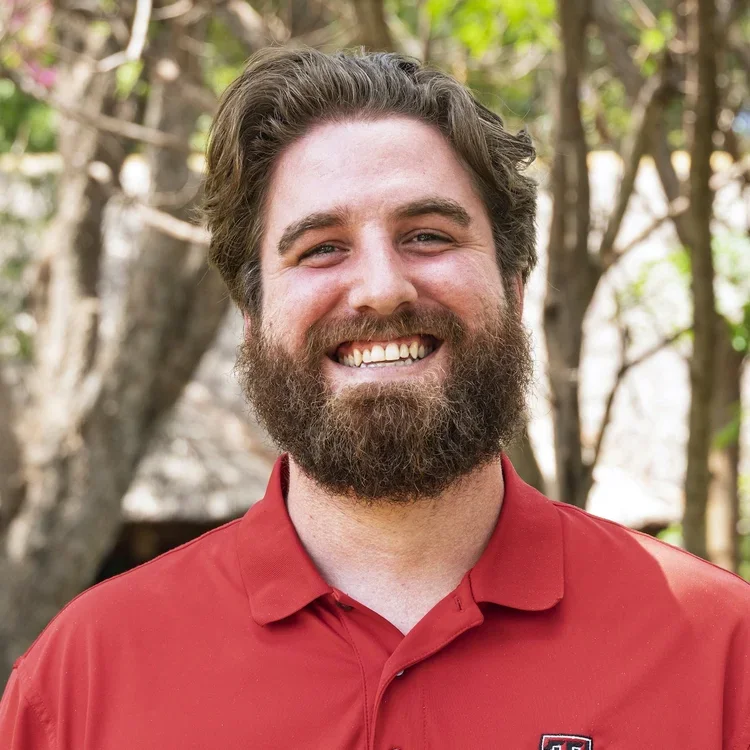
As our work expanded in 2025, so did the people behind it. We were pleased to welcome Sandra Kangai as our Fundraising and Grants Manager at a time when conservation financing has become both more complex and more critical. Sandra brings a practical understanding of how funding decisions affect work on the ground, and her experience in building partnerships is already strengthening how we support projects and plan for the long term.
Later in the year, Pierce Adams joined the team as a Conservation Ecologist. Pierce brings a mix of field experience and remote sensing expertise, along with a strong belief that conservation works best when good science is closely tied to real-world management and community knowledge. His perspective is helping shape how we think about connected landscapes and practical conservation outcomes.
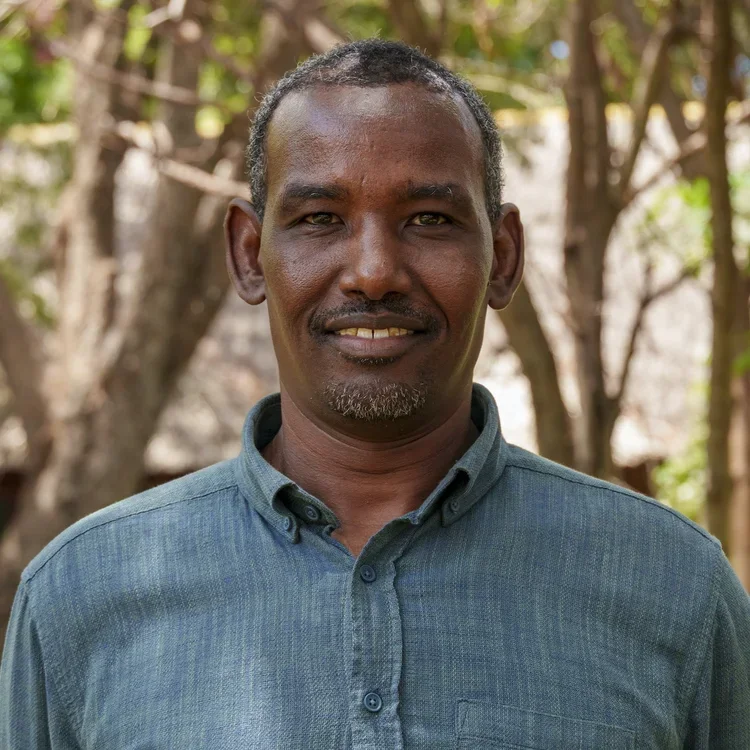
We also welcomed Ham Zamberu in December, as Director of Finance, Administration and Operations. Ham brings deep regional knowledge and long-standing experience in community conservation and rangeland management across northern Kenya. Ham’s arrival has strengthened our work with community-led conservancies, particularly as they build resilience and move toward more self-sustaining models.
The Green Heart of the Everglades, Florida
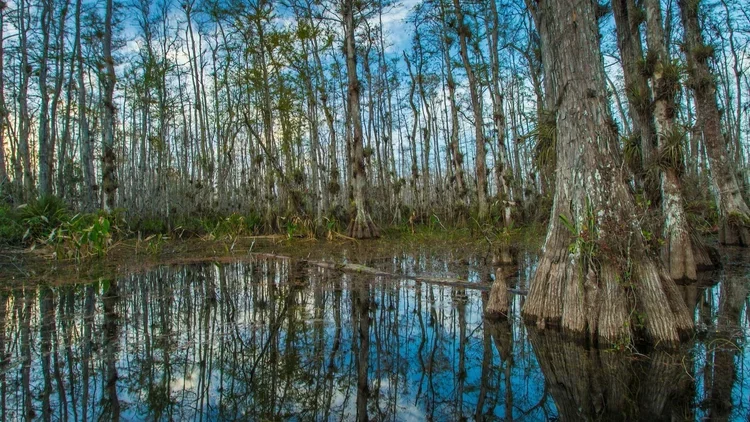
The Green Heart of the Everglades moved decisively toward completion in 2025. During the year, we finalized title work, completed a full market analysis, and delivered a comprehensive income-based appraisal covering more than 450,000 acres of mineral rights beneath Big Cypress National Preserve and Florida Panther National Wildlife Refuge. This work culminated in securing a formal appraisal agreement with Colliers, marking a major milestone in a conservation effort first envisioned in 1974.
Navigating federal appraisal standards required sustained technical diligence and close coordination with the U.S. Fish and Wildlife Service and the Department of the Interior, alongside engagement with stakeholders across Florida. At its core, the project is straightforward but profound: acquiring these mineral rights permanently removes the threat of oil exploration, safeguarding water, wildlife, and public lands at landscape scale, even where surface protections already exist. Support from the Essex Foundation enabled this work to continue through a pivotal phase, bringing the project to the threshold of a transaction that could secure one of the most significant conservation outcomes in the history of the Everglades.
Bear Hill Conservancy & the Appalachian Highlands, New Hampshire
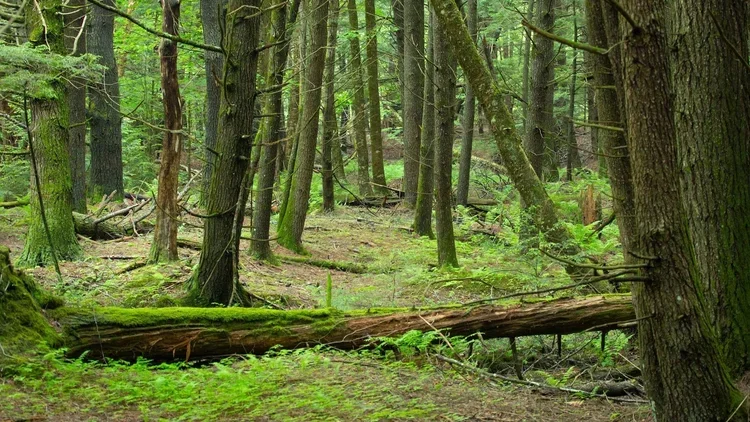
At Bear Hill, 2025 was about both deepening protection and widening the lens. In 2025, we closed Units B, A and H, securing another approximately 1,300 acres through transactions totalling roughly US$2m. Additional parcels moved closer to permanent conservation, while preparations began to appraise large areas of Green Woodlands, an Appalachian cove forest of exceptional ecological value. On the ground, habitat restoration continued, with more than 150 acres managed to support grassland birds such as bobolinks and Eastern meadowlarks - species that depend on landscapes shaped by active stewardship. At the same time, Bear Hill increasingly became part of a broader Appalachian Highlands vision: helping families keep land intact, sustain livelihoods through working forests, and avoid the fragmentation that comes with mounting development and tax pressures.
Catahoula Lake, Louisiana
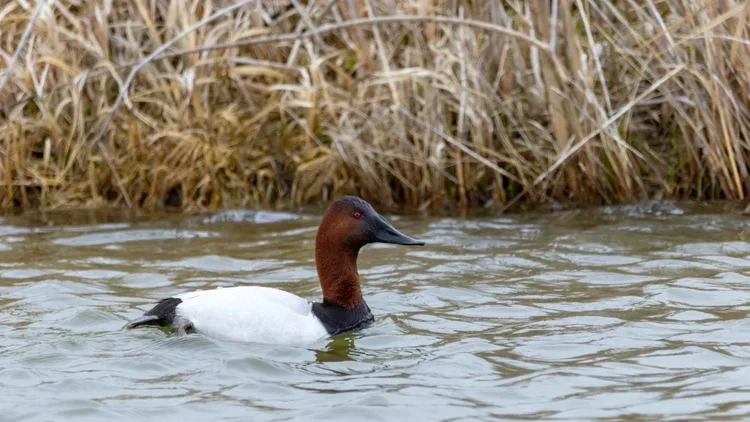
Catahoula Lake reached an important moment of clarity this year. After a long period of careful evaluation, we began shaping a coordinated strategy aimed at restoring protection to one of North America’s most important wetland systems. Conversations with Ducks Unlimited and the State of Louisiana explored a pathway toward inclusion of the Ramsar Site within the National Wildlife Refuge System, while parallel work began on local organizing and federal engagement. This layered approach reflects both the ecological importance of Catahoula and the reality that durable conservation here will require alignment across communities, agencies, and political boundaries.
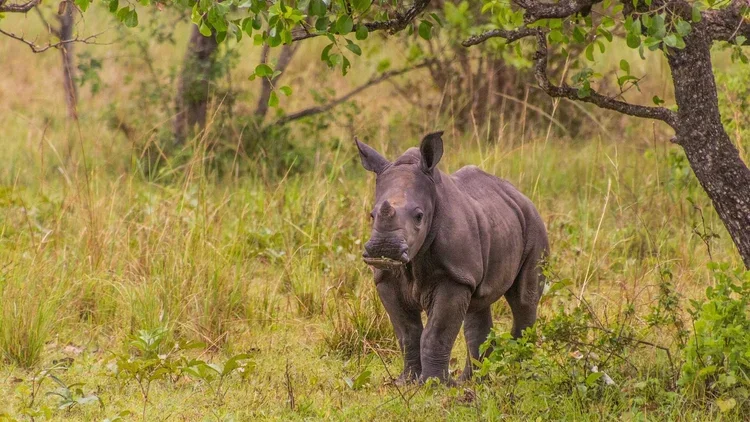
Kidepo Valley Rhino Reintroduction & Landscape Protection, Uganda
In Kidepo Valley National Park, 2025 was defined by practical, applied work across both infrastructure and institutions. Alongside rapid progress at the rhino sanctuary in the Narus Valley, including now-completed fence lines, access roads, fire management, and refurbishment of the Nataba Gate, the year also saw major advances in understanding and managing the wider landscape. In collaboration with the Uganda Wildlife Authority, Kenya Wildlife Service, regional partners and dedicated donors, 16 elephants were collared across a vast cross-border area linking Uganda, Kenya, and South Sudan, generating critical data to reduce human–elephant conflict and guide long-term corridor planning.
Throughout the year, our team spent significant time in Kampala and on site, working closely with UWA, the Uganda Conservation Foundation, the Great Plains Foundation, the Rhino Recovery Fund, and other government and technical agencies to align planning, permitting, veterinary protocols, and cross-border processes. Together with ongoing tsetse control and community initiatives such as the poultry project, kindly funded by the Platcorp Foundation, these efforts brought Kidepo meaningfully closer to welcoming rhinos back to a landscape that has been without them for decades. All this hard work is set to pay off, if all goes well, with the planned arrival of rhinos from Ziwa Rhino Sanctuary in March of 2026.
Ziwa Rhino Sanctuary was established in 2005 after the country’s rhinos were wiped out by poaching, and managed as a secure breeding landscape with the clear goal of returning rhinos to Uganda’s protected areas. In January 2026, this role became tangible when four southern white rhinos were successfully translocated from Ziwa to Ajai Wildlife Reserve, the first-ever movement of rhinos between protected areas within Uganda, signalling the start of a phased national programme to re-establish rhinos beyond the sanctuary and ultimately restore them across their historical range.
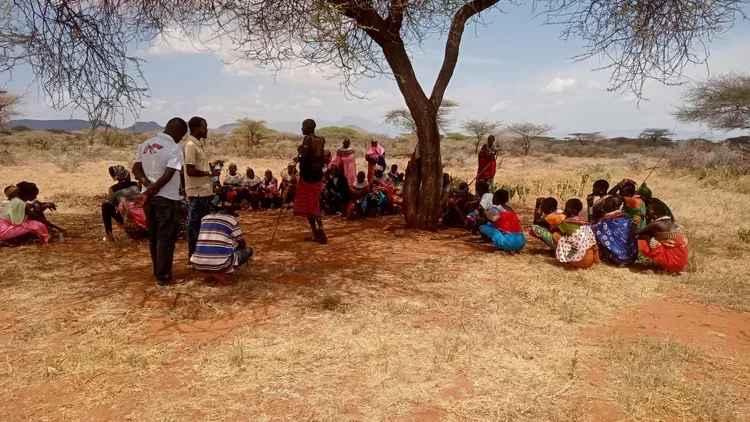
Meru–Marsabit Corridor, Kenya
A major focus of 2025 was supporting community conservancies across the Meru–Marsabit corridor, with Sera Wildlife Conservancy at the front of that effort. As the world’s only community-owned and community-run rhino conservancy, Sera represents both what is possible - and what is at stake - in community-led conservation. This year, we dedicated significant time and resources to helping stabilise Sera during a period of severe funding disruption, supporting core operations, ranger salaries, security, and strategic planning. Alongside emergency support, we worked closely with Sera’s leadership to strengthen long-term resilience, improve systems, and reduce vulnerability to future funding shocks, with the aim of helping Sera become a role model for community conservancies.
This support extended across the wider Meru–Marsabit landscape, where several conservancies were similarly affected by sudden funding losses. By stepping in to help keep patrols active and governance intact at places such as Shurr, Biliqo Bulesa, Jaldesa and Songa, we were able to prevent years of conservation progress from unravelling and create the breathing space needed to plan for a more self-sustaining future in one of northern Kenya’s most ecologically important and often overlooked regions.
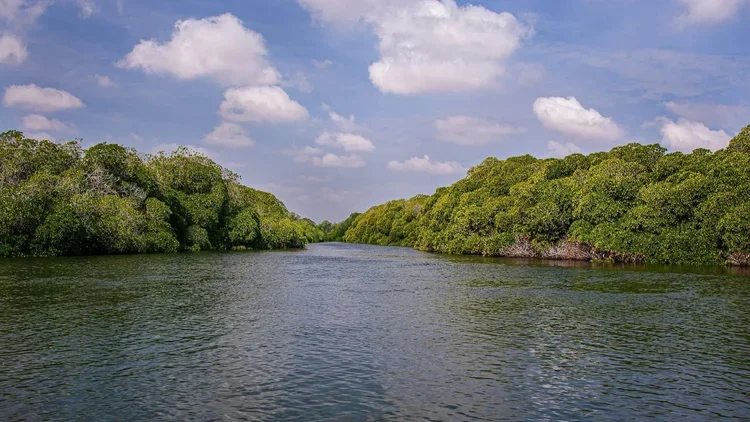
Coastal Conservancies, Kenya
A similar approach is now beginning to take shape along Kenya’s north coast. In partnership with The Manda Projects, we were able to offer some help to several coastal conservancies facing comparable donor uncertainty, focusing on stabilisation, legal and governance support, and short-term problem-solving. While this work is still at an early stage, our hope is that by 2026 these conservancies will be on firmer footing, better equipped to navigate funding volatility and continue protecting landscapes of high ecological and cultural value.
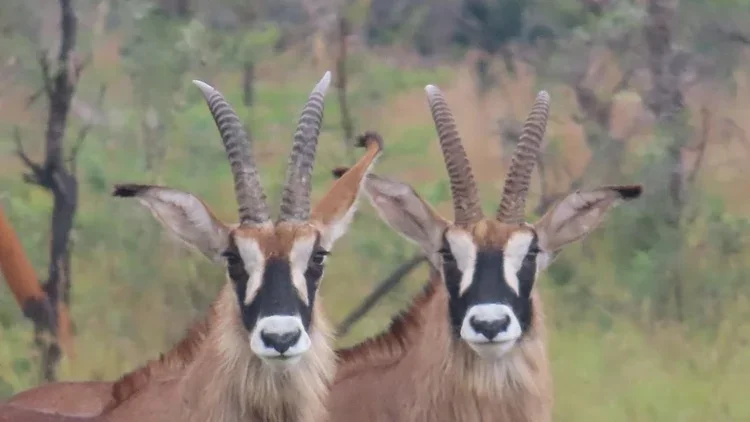
Ruma National Park & Roan Antelope Recovery, Kenya
At Ruma National Park, practical support made a tangible difference this year, with Kenya’s roan population standing at 25 animals. With generous funding from the M-PESA Foundation, a new patrol vehicle was added to support ranger operations protecting Kenya’s last remaining roan antelope. This builds on steady gains achieved through careful management, which has already seen the sanctuary population increase. The focus remains on habitat quality, daily monitoring, and the long-term goal of returning roan antelope to a secure place in Kenya’s grasslands, supported by strong collaboration with the Kenya Wildlife Service.
Tsavo Conservation Area & the Rhino Range Expansion, Kenya
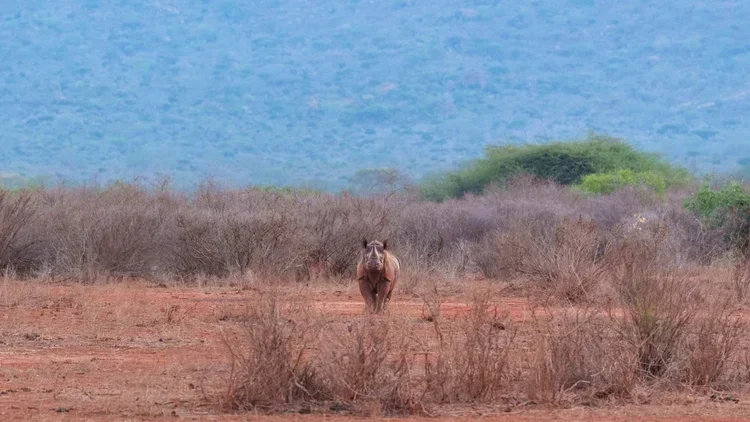
In Tsavo, 2025 marked a major milestone for rhino conservation with the formal establishment of the Tsavo West Rhino Sanctuary, covering approximately 740,000 acres. Announced by President William Ruto, the sanctuary represents a decisive national commitment to landscape-scale rhino recovery, to which WildLandscapes made a meaningful contribution. Our support combined early support to the Kenya Rhino Range Expansion and direct operational backing for the Kenya Wildlife Service, delivered through Tsavo Trust. This included five Land Cruisers, two drones, helicopter support, and contributions to the Joint Operations Centre and ranger barracks, as well as emergency funding to Tsavo Trust that helped keep patrols active during a period of acute financial strain.
Separately, we conducted due diligence on Kenya Triangle Ranch, a strategically located property linking Tsavo West National Park with Mkomazi National Park, as part of broader exploration of cross-border connectivity in the Tsavo–Mkomazi landscape.
Renosterveld, South Africa
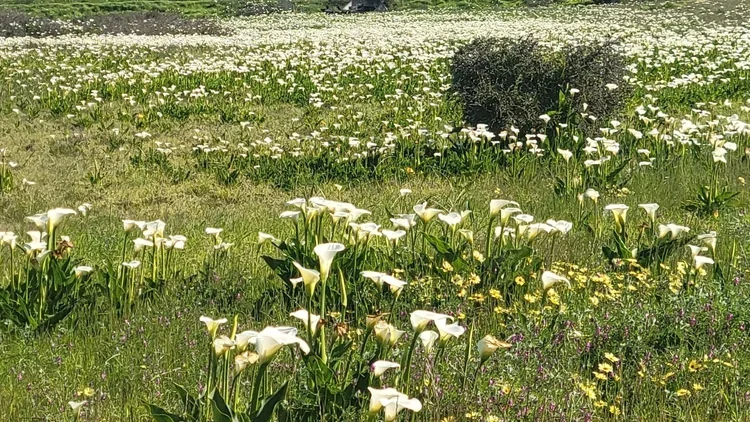
In South Africa, our work in the Renosterveld was brought into sharp focus during a spring visit by our Founder and CEO, David Houghton, to the Overberg Renosterveld Trust. Seeing the Cape Floristic Kingdom in bloom underscored both the extraordinary richness of this landscape and the fragility of what remains, with only around five percent of Renosterveld left. Time spent with partners on the ground highlighted how much of the work here depends on trust, shared values, and long-term commitment, as well as the urgent need to secure more land through agreements, easements, or purchase. The visit reinforced our determination to help strengthen partnerships and build broader support for protecting one of the world’s most important and vulnerable biodiversity hotspots.
What defined 2025 for us was the number of moments where people chose to stay engaged - to keep working through complexity rather than stepping away from it. Across every landscape, conservation moved forward because partners, communities, and supporters were willing to invest time, patience, and care in work that doesn’t always offer quick returns. That choice, repeated again and again, is what gives us confidence as we look toward 2026.