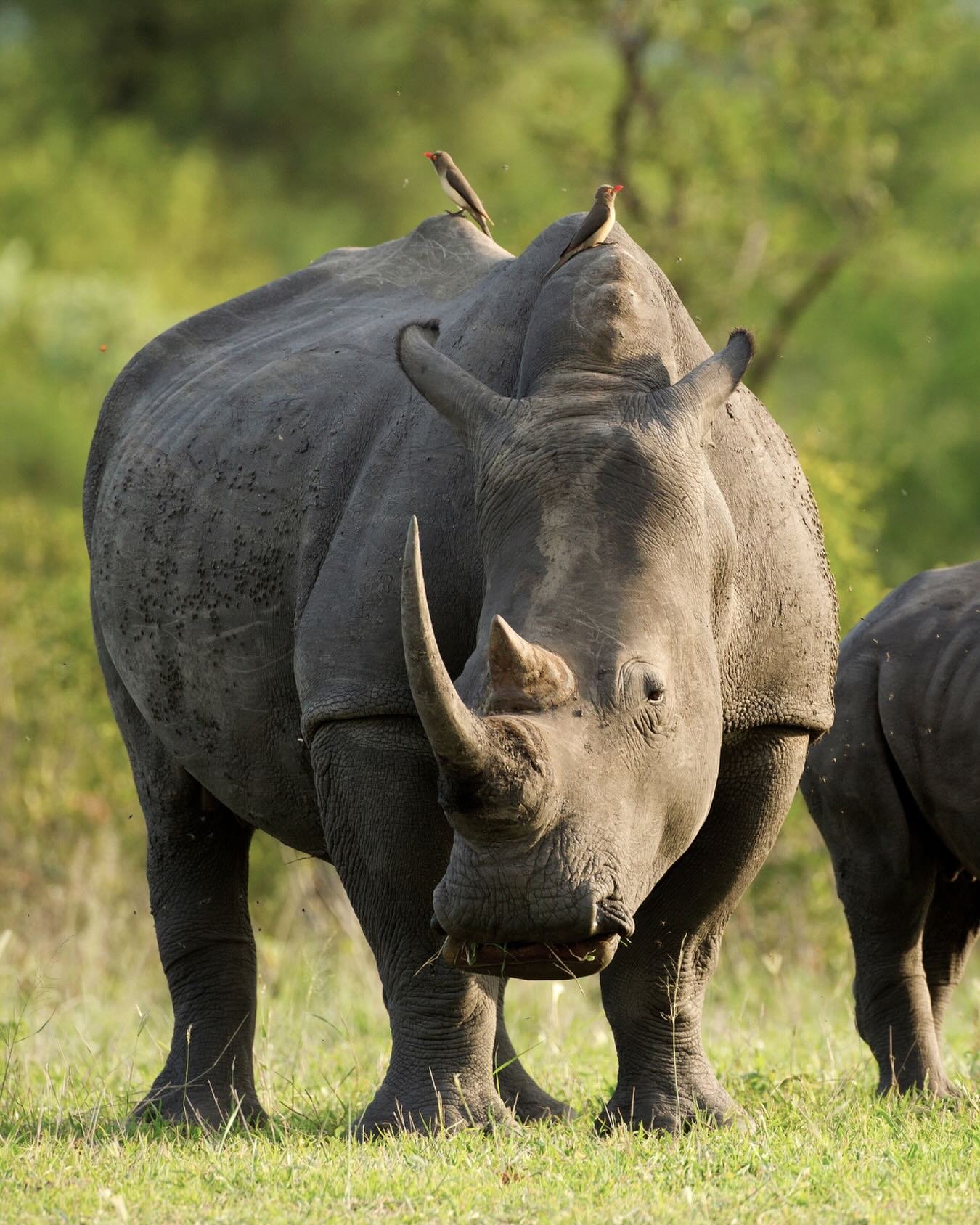
By March 25ᵀᴴ, eight southern white rhinos from Ziwa Rhino Sanctuary are expected to arrive at Kidepo Valley National Park - the first rhinos to set foot in the park in over 40 years.
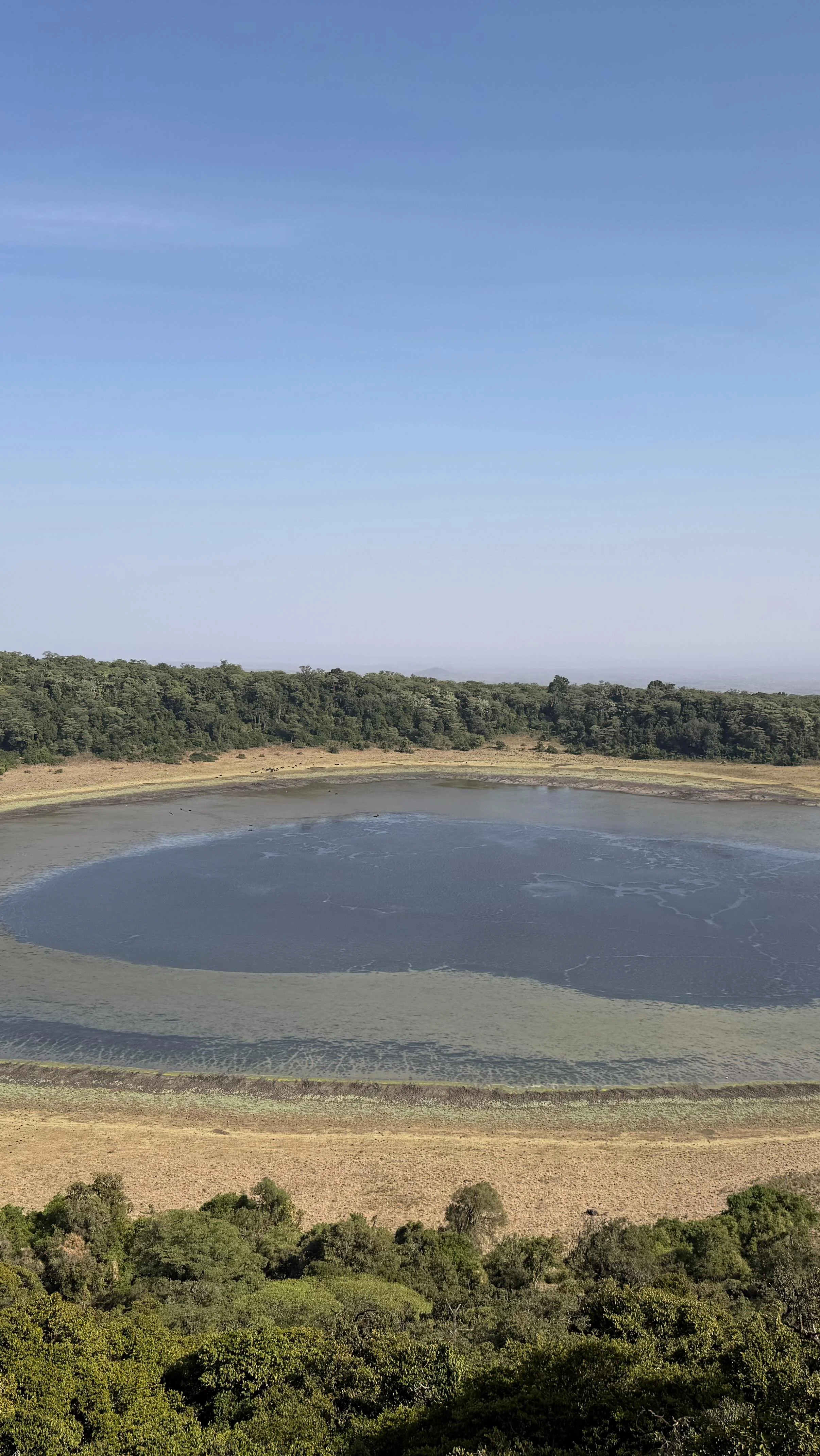
The translocation marks the beginning of a phased reintroduction program. Southern white rhinos will be introduced first as the founding population within a 1,600-acre fenced sanctuary located in the Narus Valley, inside the national park. This is a new introduction for Kidepo. In later phases, once management systems and security conditions are fully in place, eastern black rhinos will be reintroduced, restoring a species that was wiped out from the park by poaching and conflict in the 1980s.
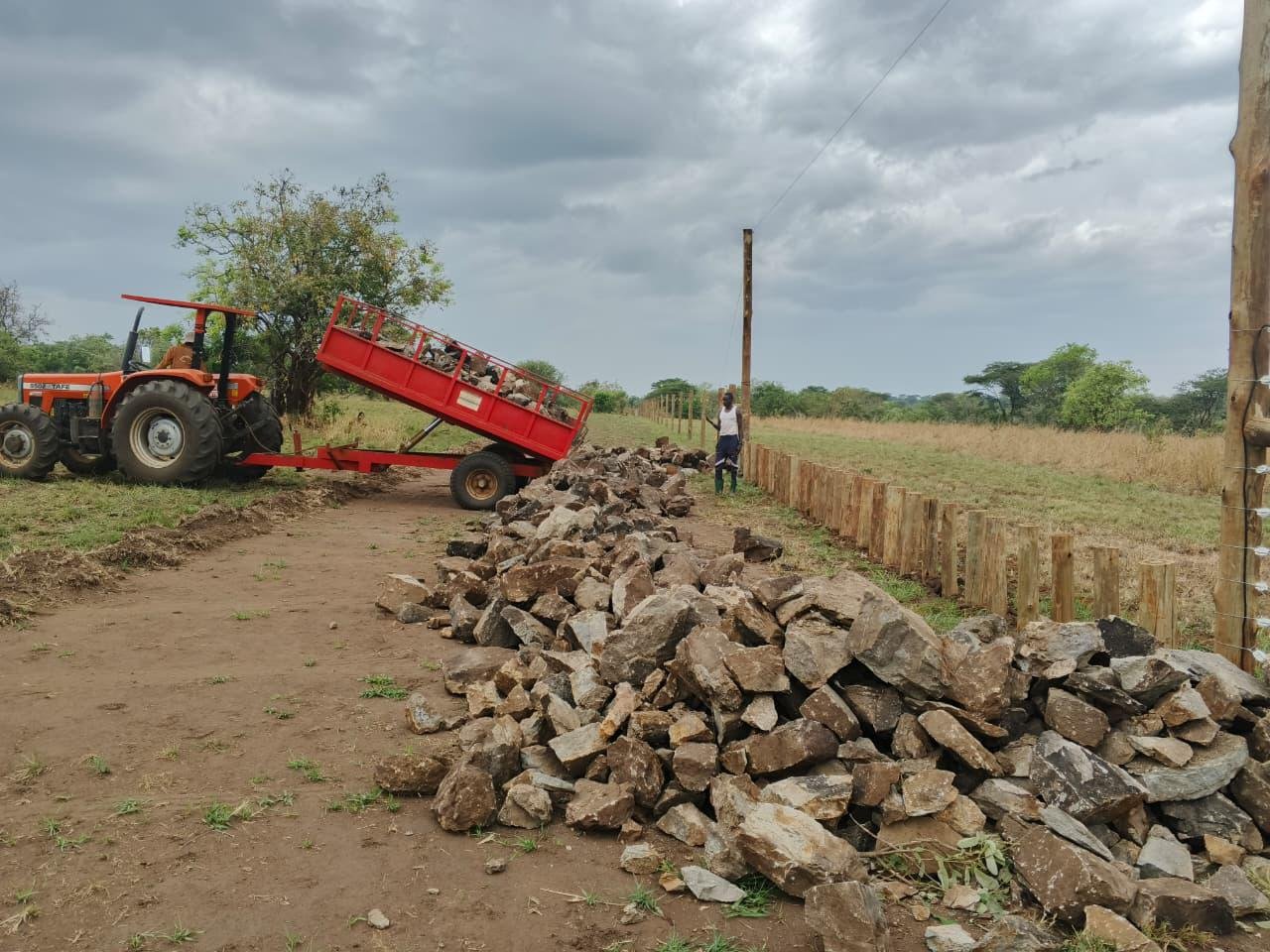
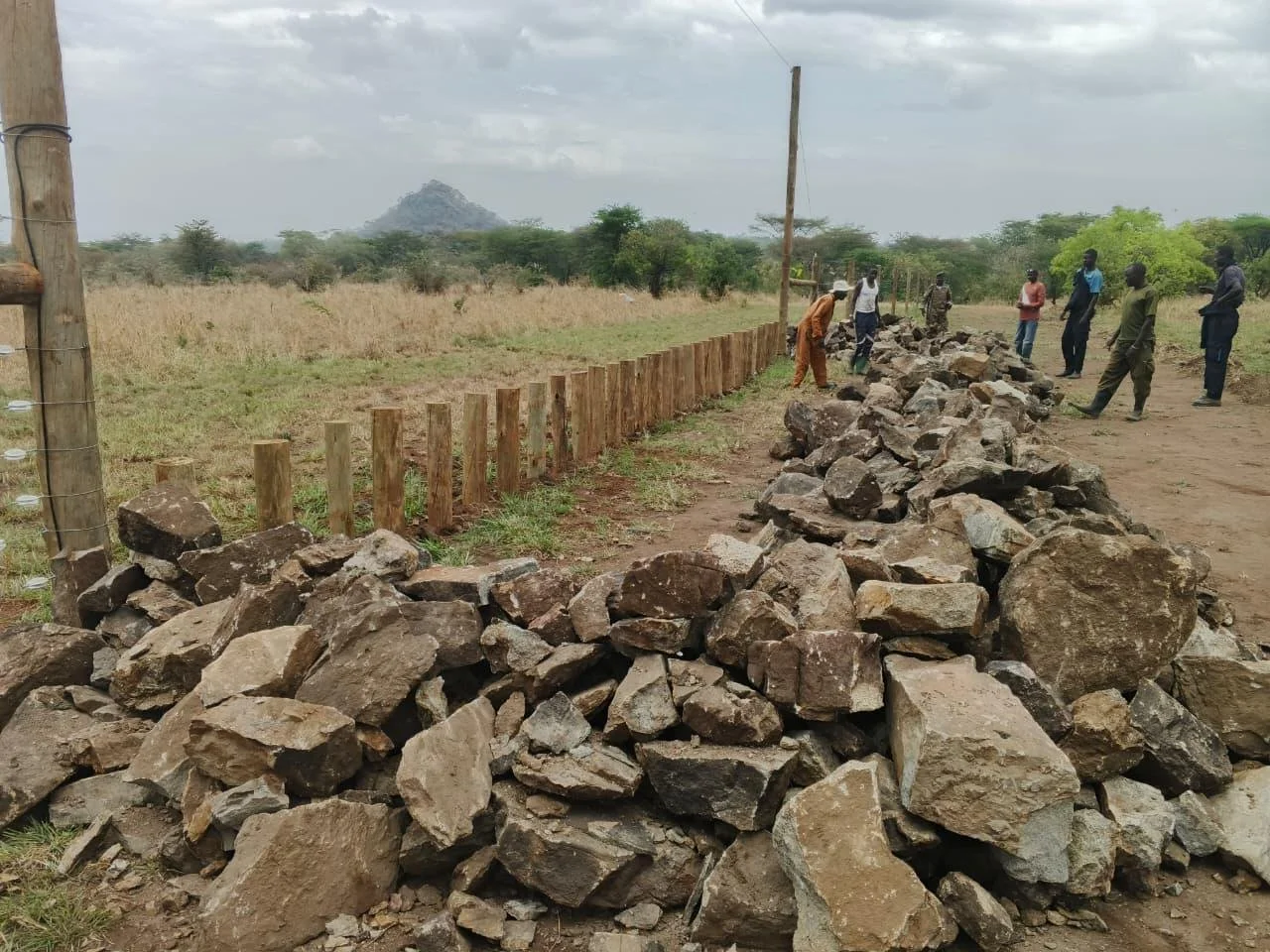
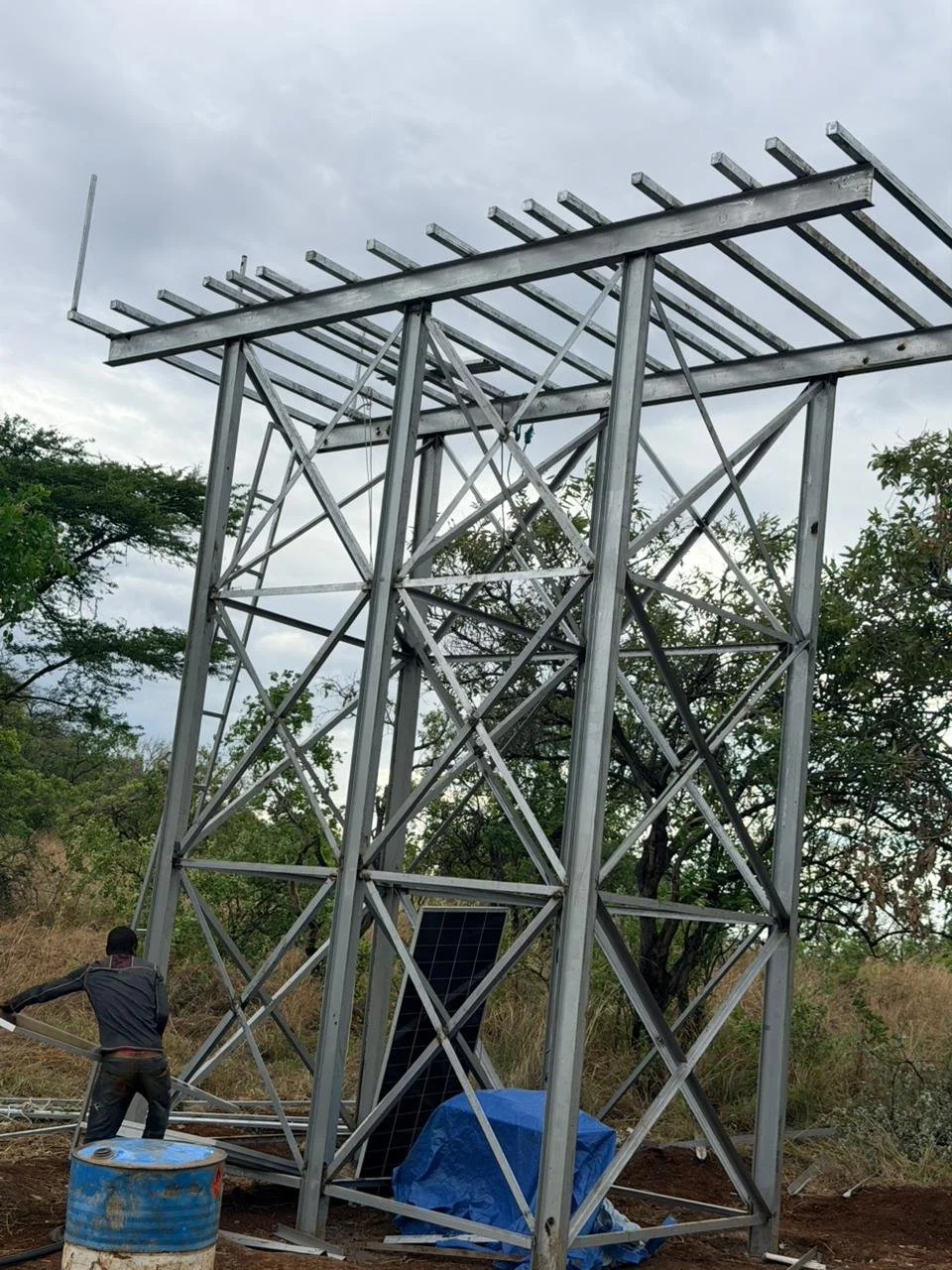
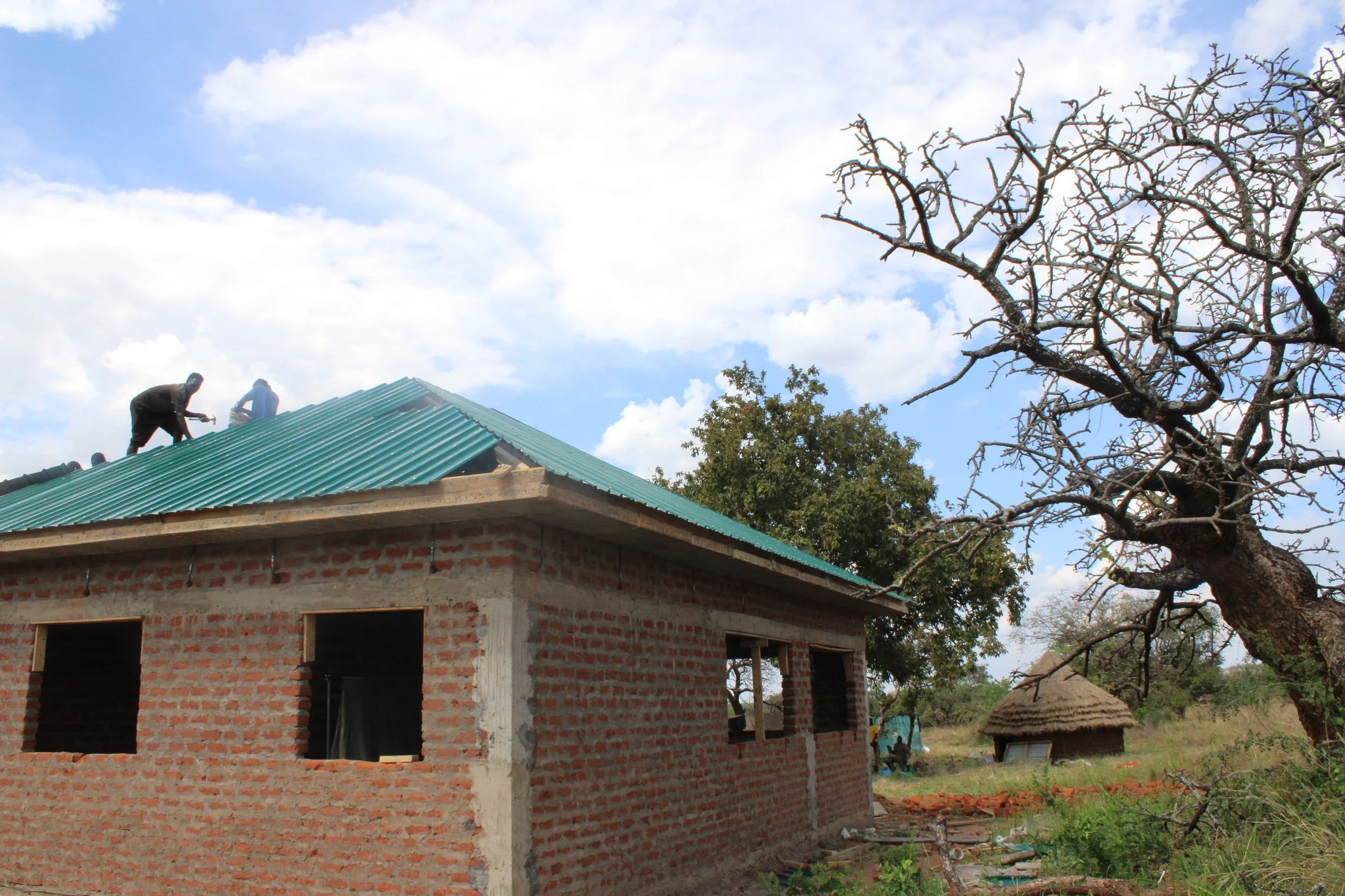
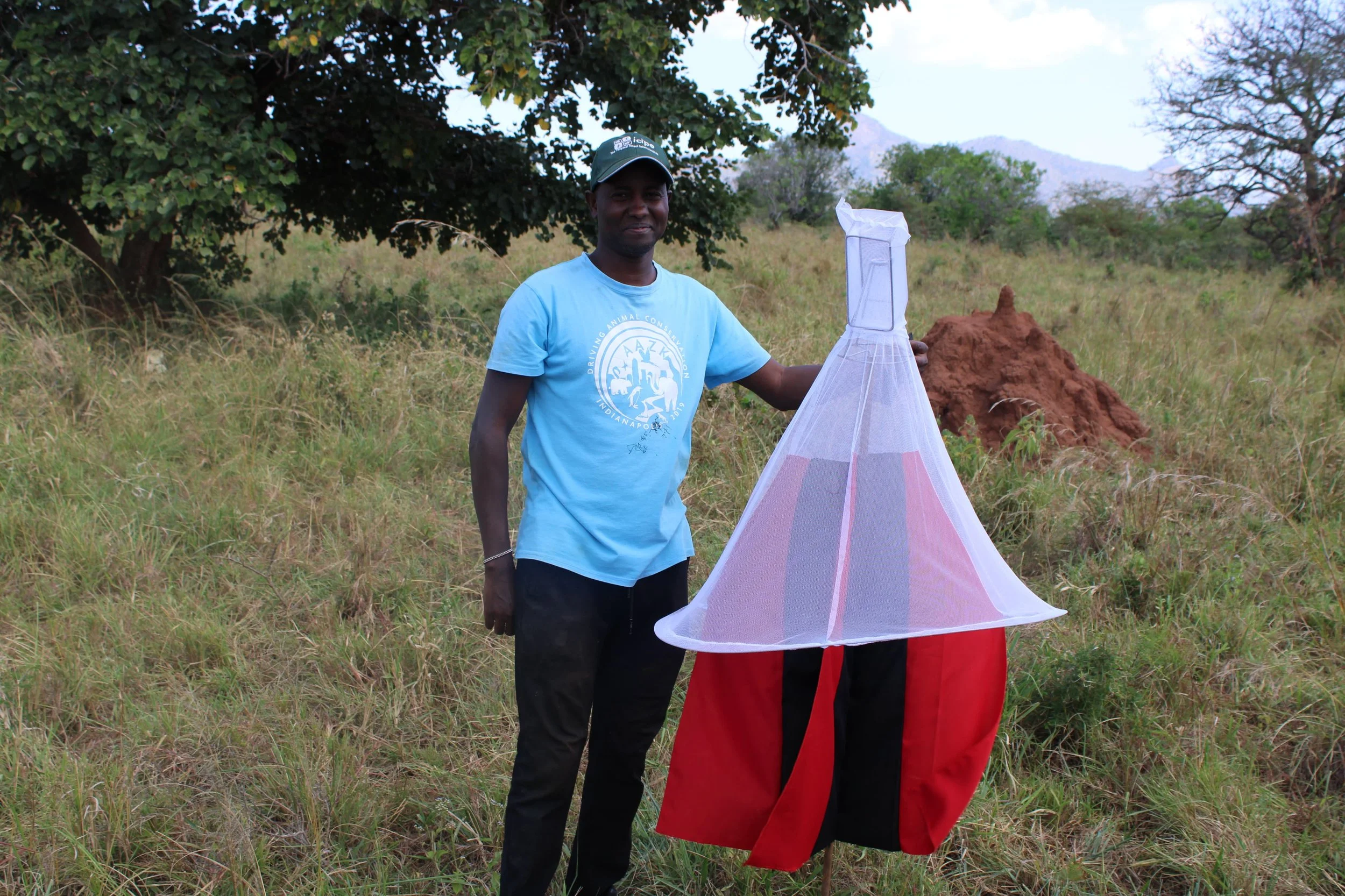
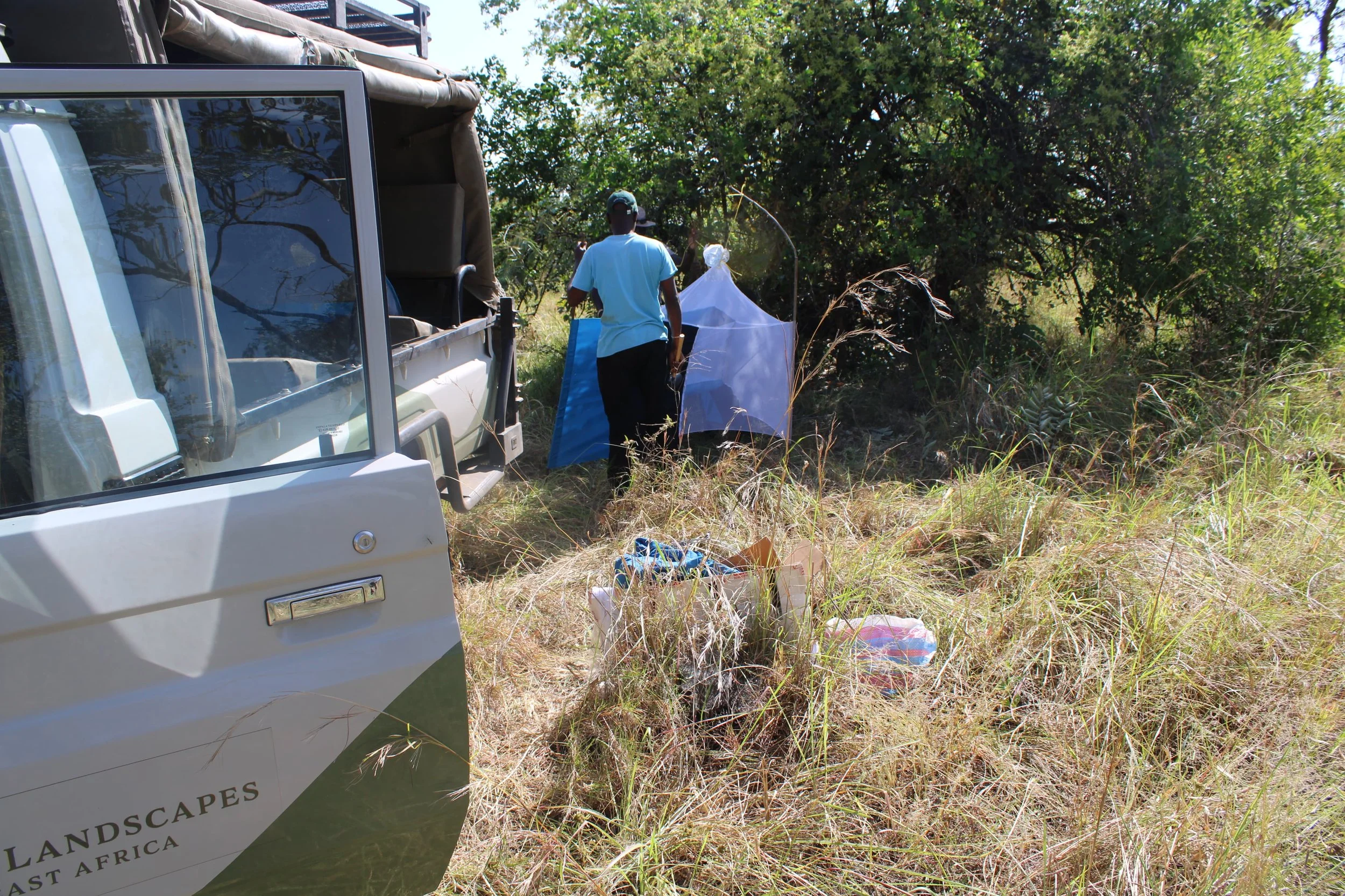
The arrival follows four years of intensive preparation on the ground. The 17.8-kilometre sanctuary fence is complete, including wildlife corridors on the northern and western sides to allow other species to move freely through the landscape. Routine maintenance and monitoring of the fenceline is now carried out daily. A water system with 20,000 litres of tank capacity and two connected boreholes is being commissioned. Nearly 1,000 tsetse fly control targets have been deployed in and around the sanctuary to manage the risk of trypanosomiasis, a disease fatal to rhinos. An EarthRanger communications mast has been installed on Naturkan Hill to support real-time monitoring, with a backup mast on a neighbouring hill. The old Nataba Gate has been renovated into the project's administrative and operational hub. Ranger accommodation and facilities have been built, and access roads have been graded for wet-season use.
The Ziwa rhinos are thriving so well that they have outgrown standard transport crates. Larger crates had to be sourced from Lewa Wildlife Conservancy and Ol Pejeta Conservancy in Kenya to handle the move.
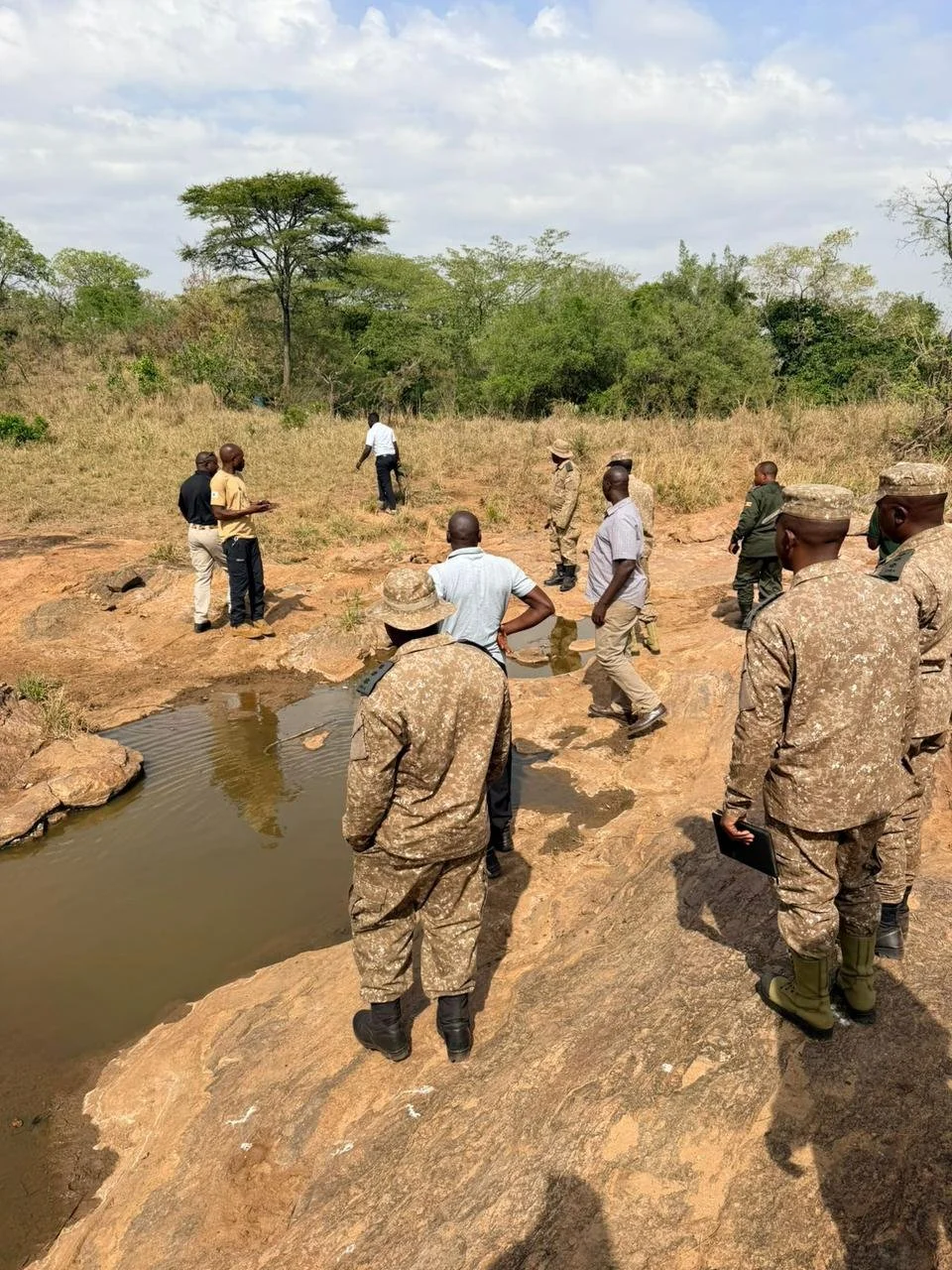
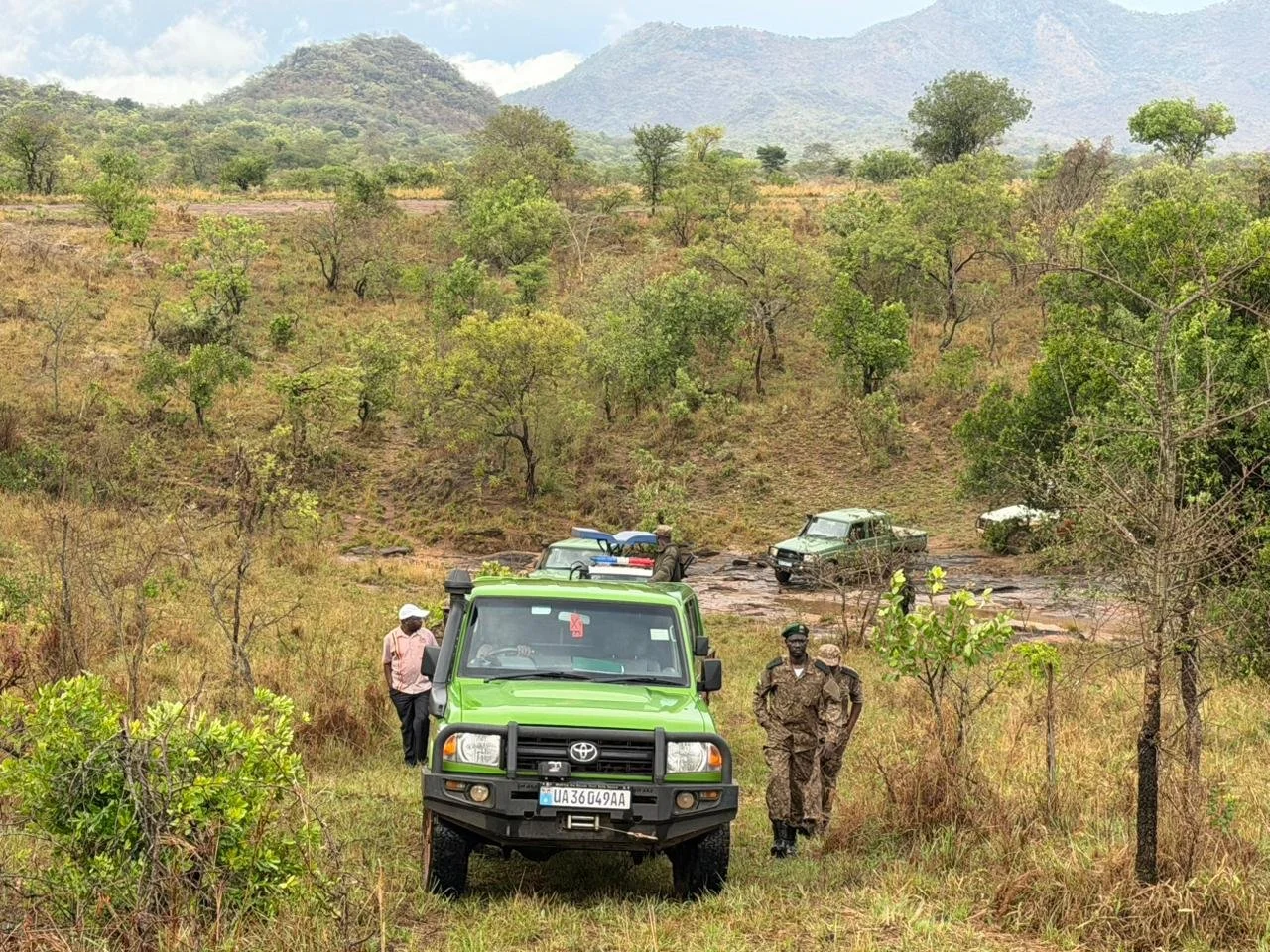
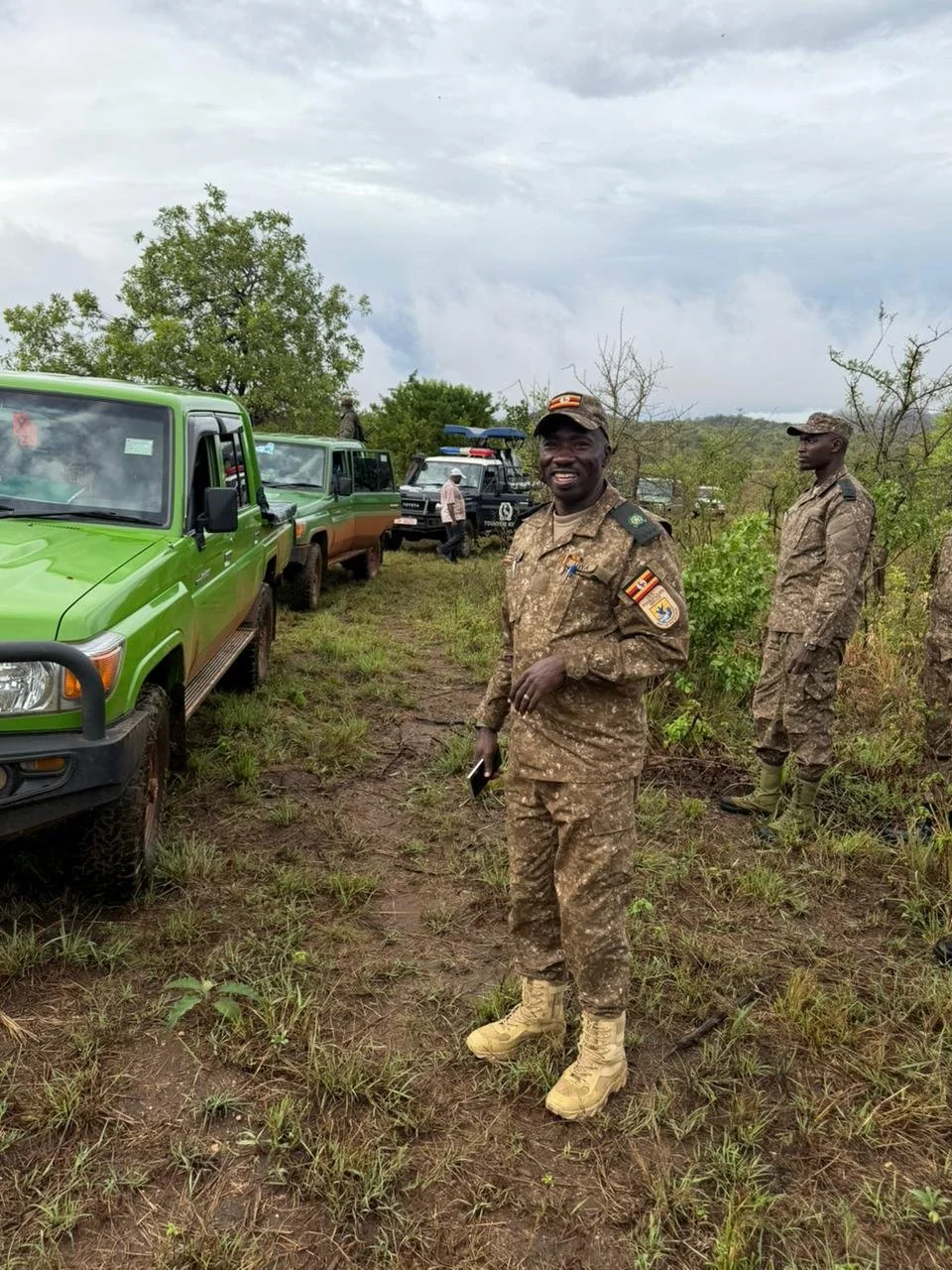
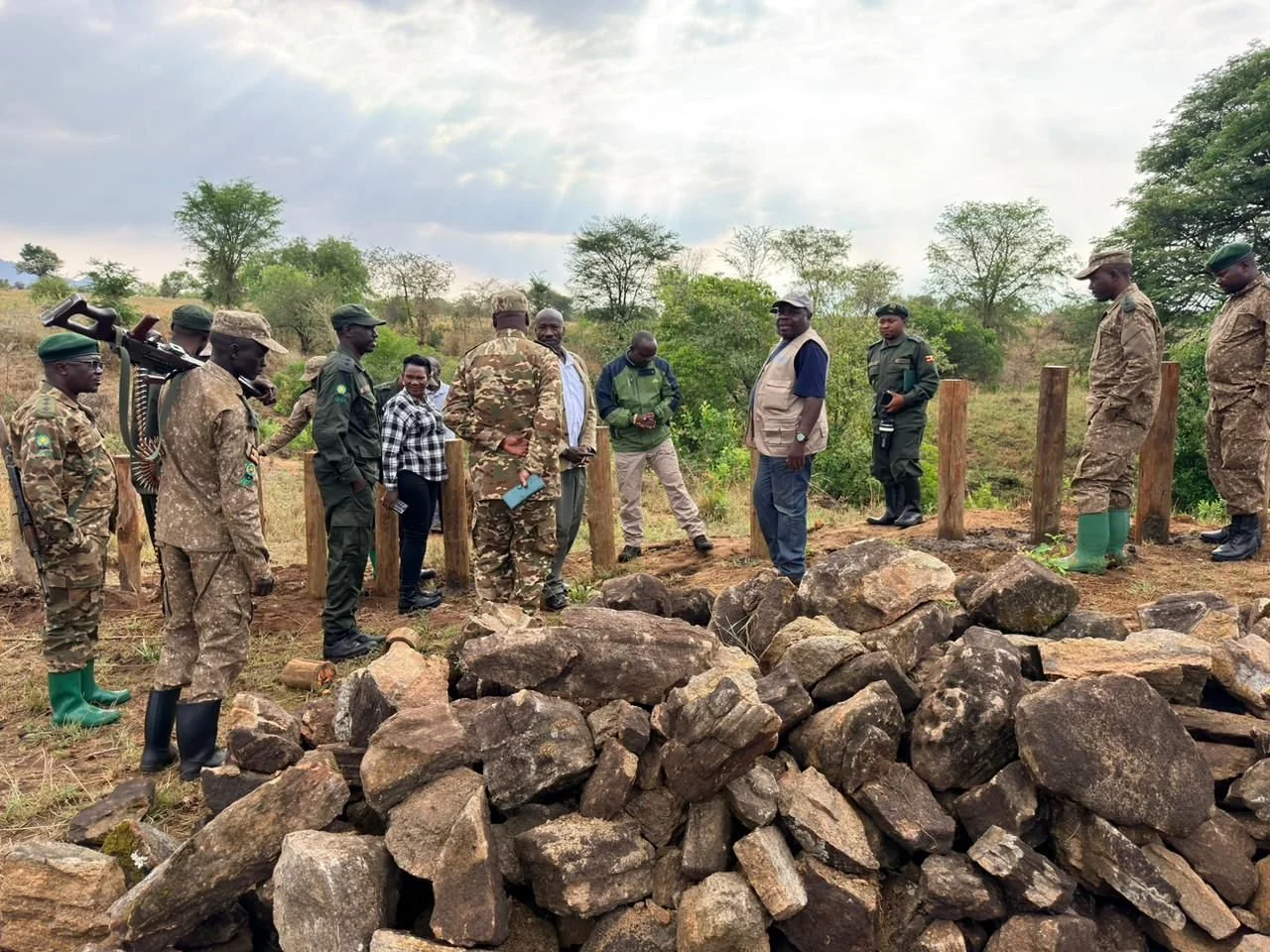
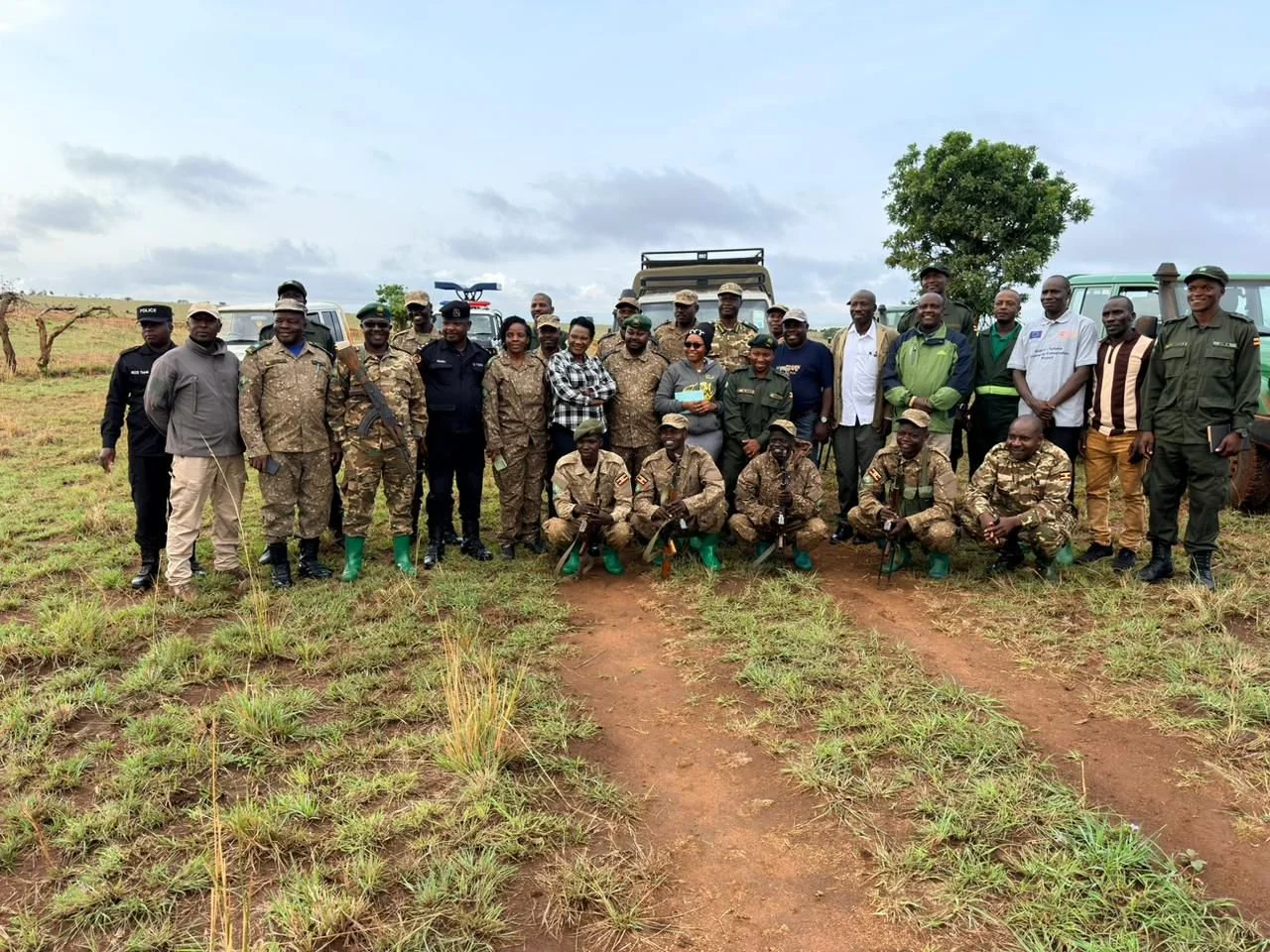
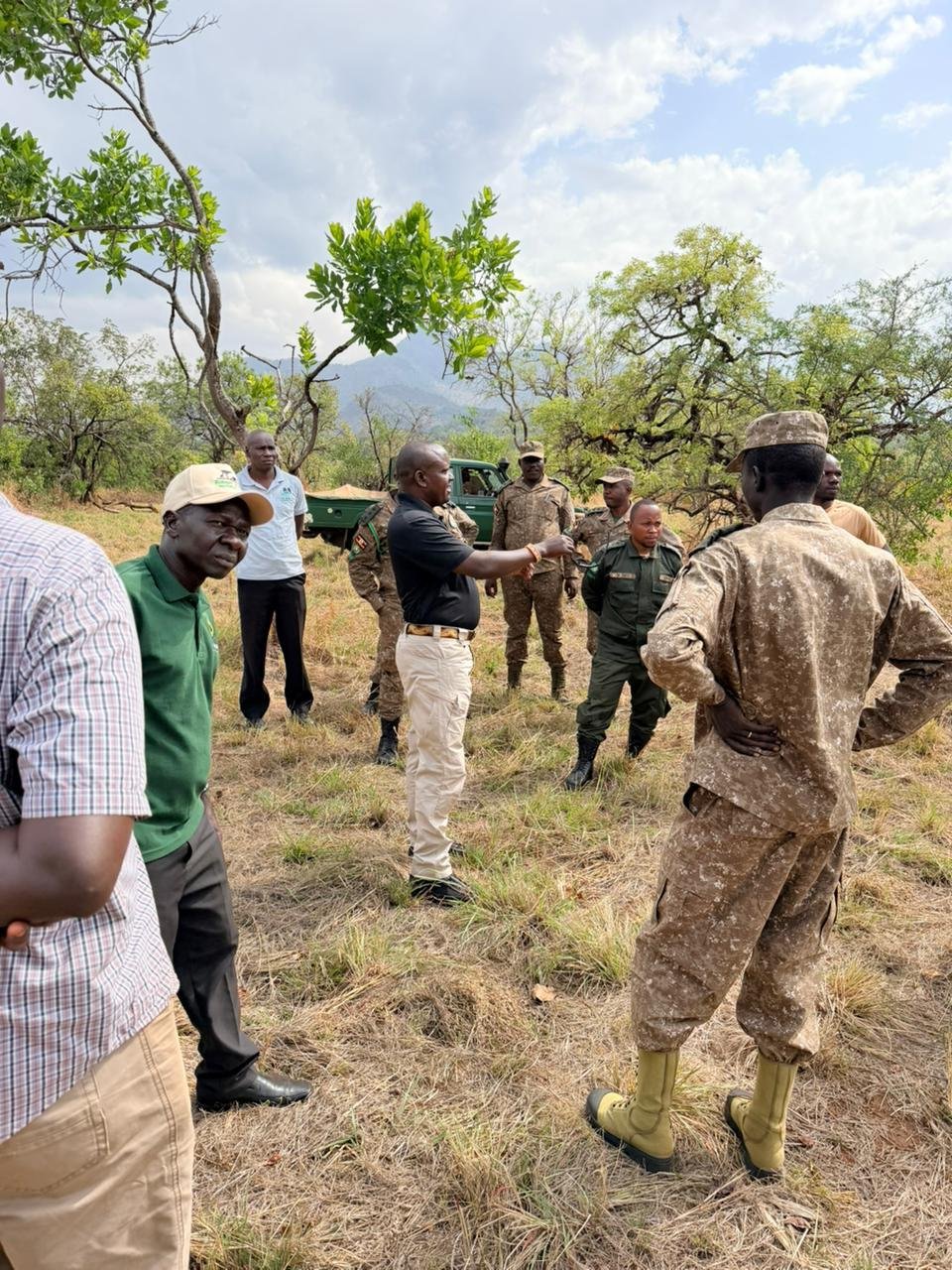
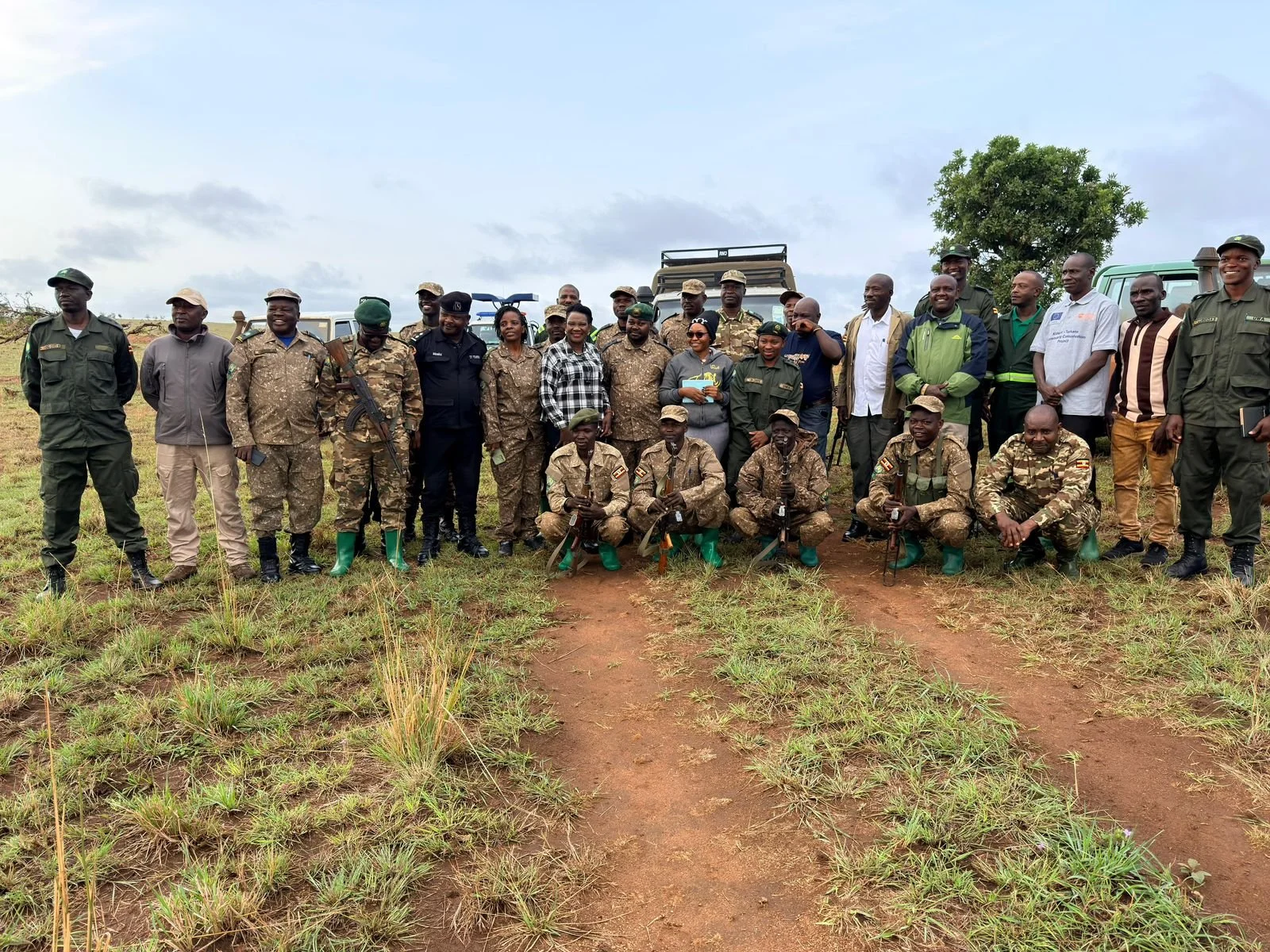
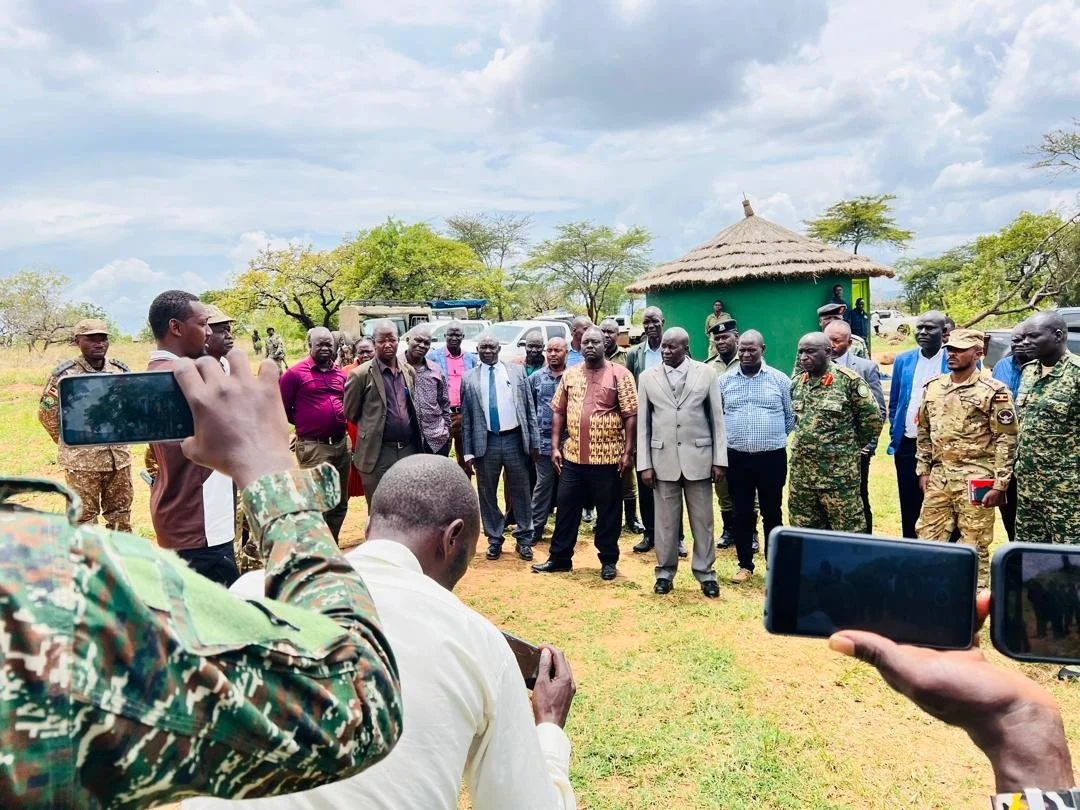
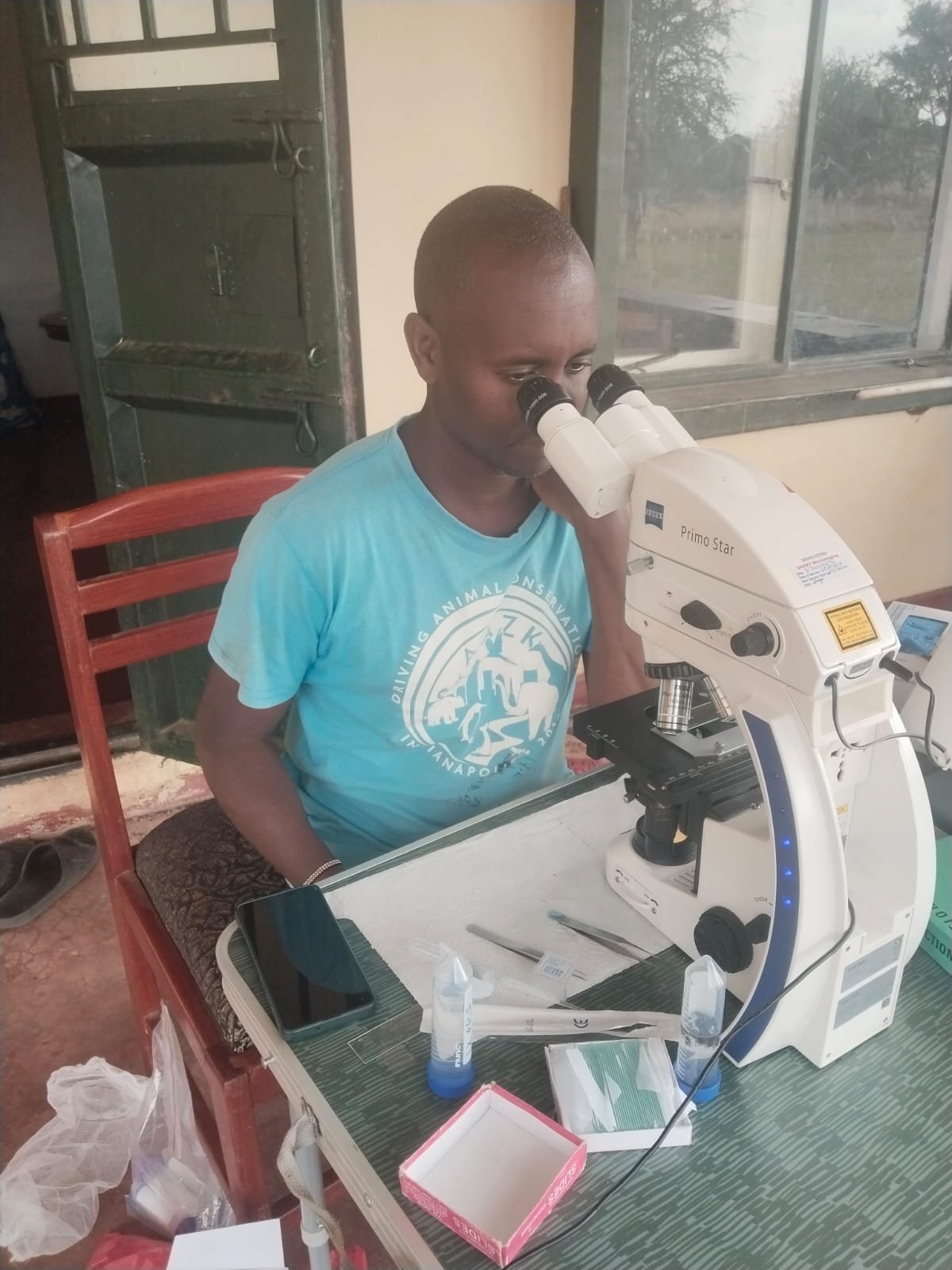
Disease surveillance has been completed by the resident Uganda Wildlife Authority veterinarian. The UWA Rhino Technical Committee conducted a site assessment and confirmed readiness for translocation. District leaders from seven counties bordering the park have come together in support of the reintroduction plans.
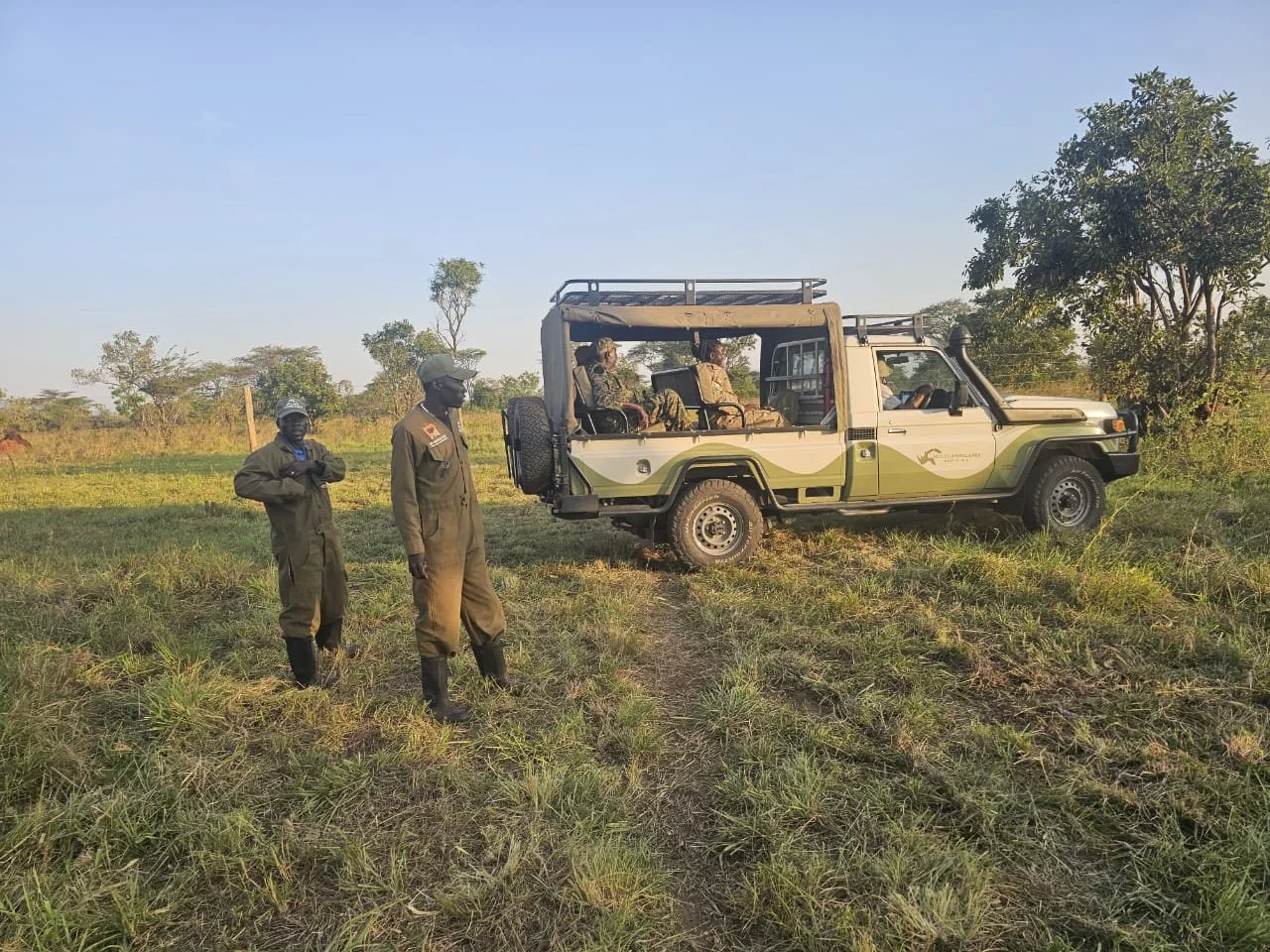
The Morungole Community Conservancy (MCC), representing the Ik and Dodoth communities who live alongside the park, has played a central role throughout. MCC rangers carry out surveillance, run tsetse monitoring and will be among the first to live and work alongside the rhinos on a daily basis.
Huge thanks to UWA, who have driven the process from policy and permitting to veterinary oversight and translocation planning. The effort has been supported by a broad coalition of partners including Uganda Conservation Foundation, WildLandscapes East Africa, Great Plains Conservation and the Great Plains Foundation, the Rhino Recovery Fund, Northern Rangelands Trust, Lewa Wildlife Conservancy, Ol Pejeta Conservancy, Ziwa Rhino Sanctuary, the Platcorp Foundation, Savannah Wildlife Veterinary Services, Save the Elephants, Mara Elephant Project, Kenya Wildlife Service, and a number of private donors and supporters. A particular acknowledgement goes to Ziwa Rhino Sanctuary. Uganda's entire rhino population has been held at a single site for years. Ziwa's success in breeding and protecting these animals is the reason they are now ready for a second home .
We will be sharing more in the coming days about the community work, infrastructure and preparation that went into getting this sanctuary ready. We are excited that eight rhinos are on their way to a landscape that has been waiting for them for four decades.
Follow us on social media for up- to-date updates on the Kidepo rhino countdown!