The last quarter of this year has, as always, been busy, challenging, exciting and inspiring, and we are certain that all that effort has laid down some solid foundations for next year’s goals. Thank you for being by our side throughout 2025 - conservation is not an easy world to work in, but the collective effort between partners, donors and government authorities makes us certain that between us all, we’re making the world a better place. That knowledge gives us all the more cause for celebration as we pause for the holidays, ready to come back refreshed for all that 2026 has in store.
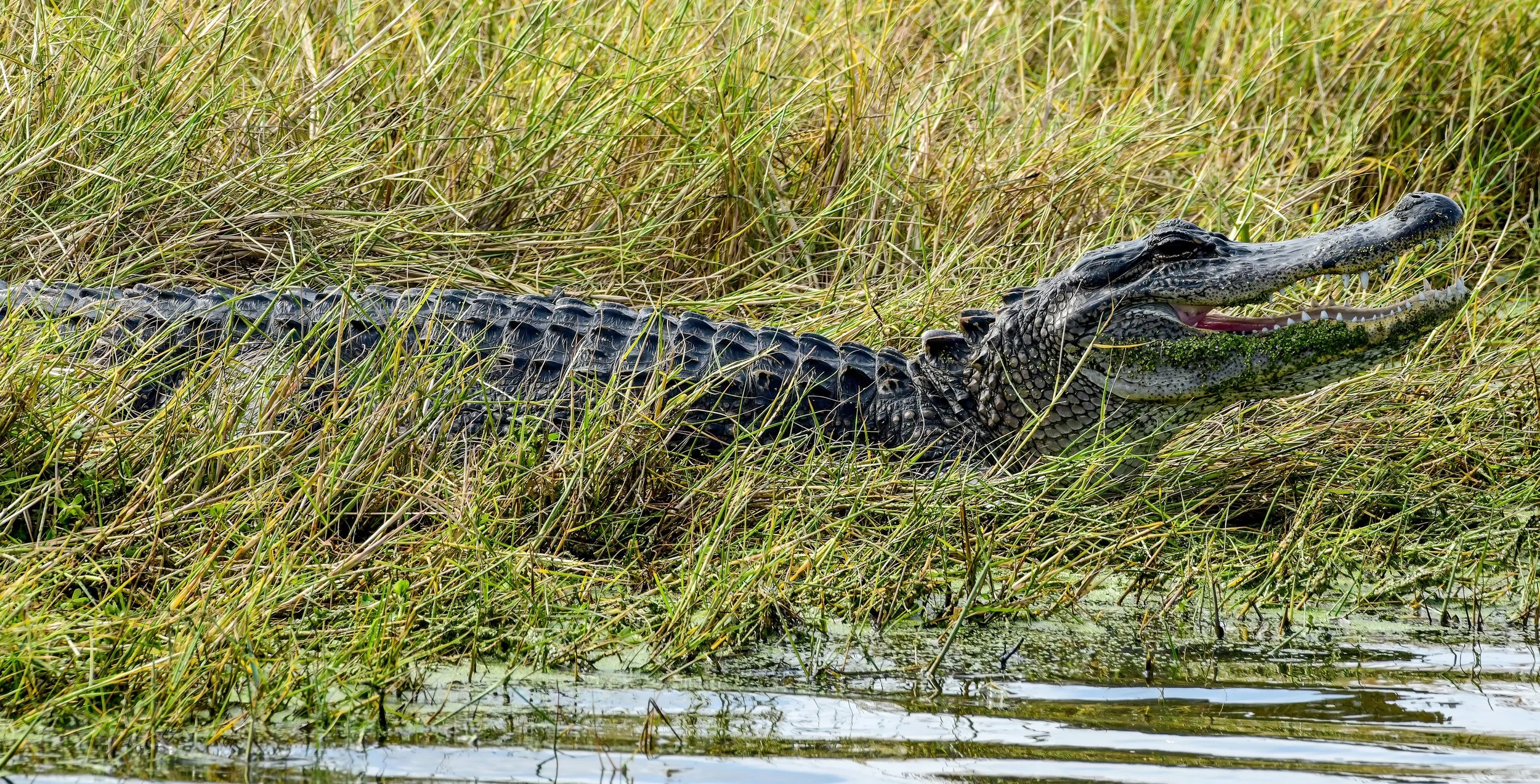
An American alligator in the Florida Everglades.
The Green Heart of the Everglades
Work on the Green Heart of the Everglades continued steadily over the past few months, with much of our focus on moving the appraisal forward and spending time with key decision-makers. We met with the Assistant Secretary of Parks and Wildlife to discuss next steps, as well as with the Director of the U.S. Fish and Wildlife Service, alongside a series of important stakeholder meetings in Florida. We were also grateful for the continued support of the Essex Foundation and the Collier Community Foundation, which has helped keep momentum going as this complex project takes its next steps.
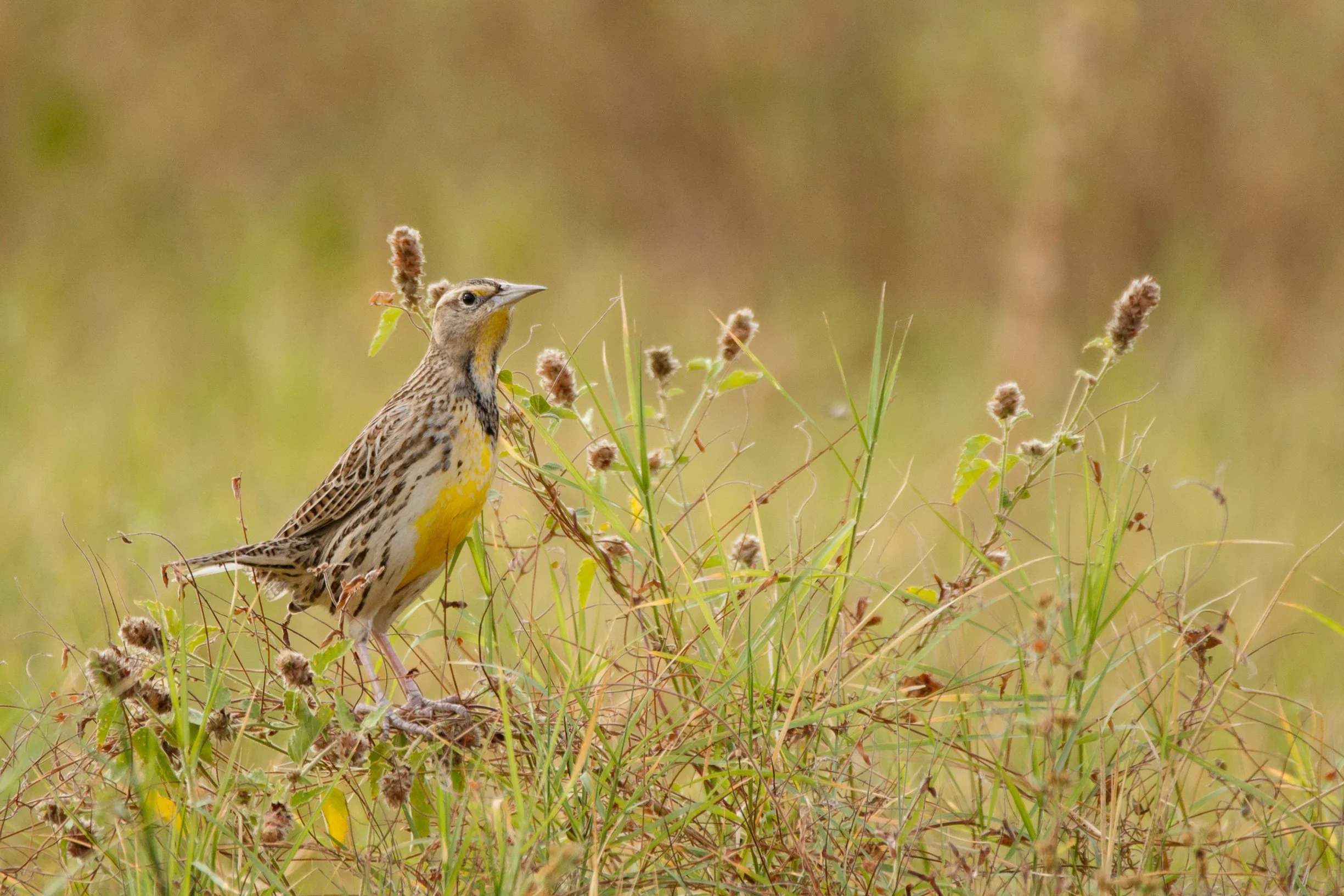
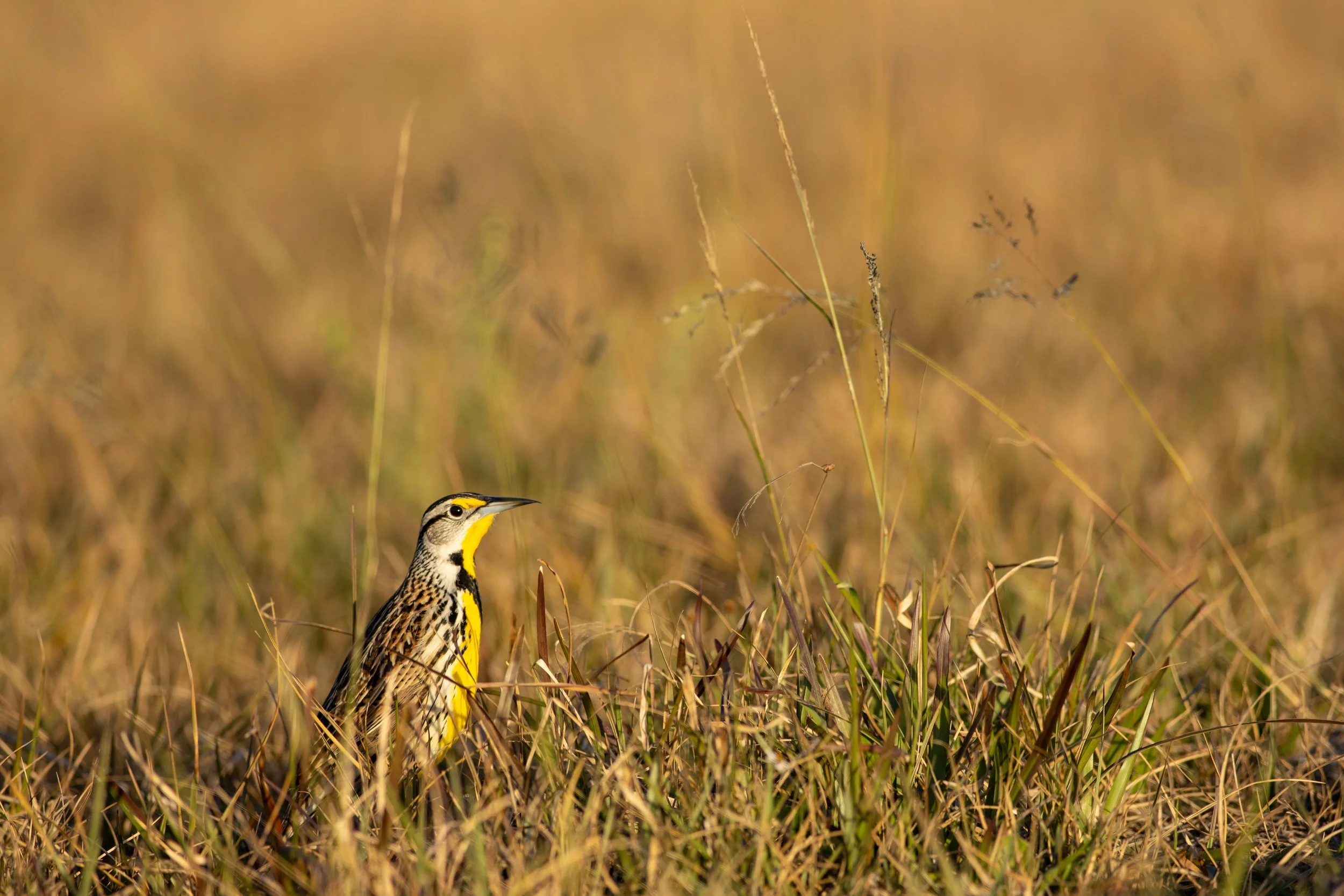
We’ve been working with Bear Hill Conservancy Trust to restore habitat for Eastern meadowlarks.
Bear Hill Conservancy
At Bear Hill, momentum is ever growing! We met with the Director of the U.S. Fish and Wildlife Service to discuss remaining funding needs, while work progresses toward closing conservation easements over additional parcels within the project area. Several new parcels are in the process of being added to Bear Hill, further strengthening the integrity and connectivity of the landscape. Alongside this, preparations are underway to appraise a large expanse of Green Woodlands, an Appalachian Cove Forest of exceptionally high wildlife value. On the ground, we continue to work closely with Bear Hill Conservancy to restore grassland habitat, supporting nesting bobolinks and Eastern meadowlarks across more than 150 acres.
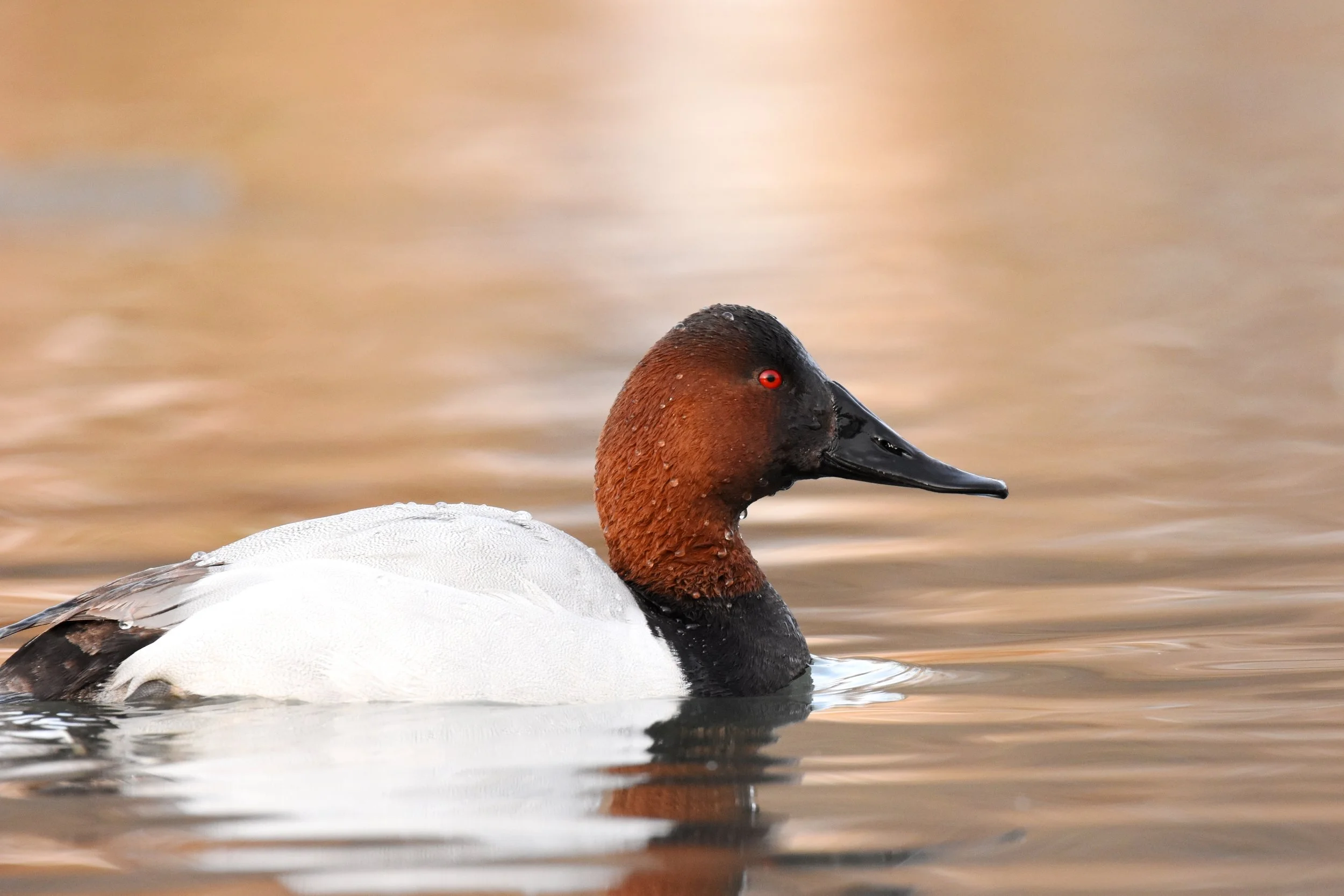
Catahoula Lake is a critical habitat for canvas backed ducks.
Catahoula Lake, Louisiana
Our work at Catahoula Lake has reached an important strategic phase. We met with Ducks Unlimited to explore a partnership aimed at protecting the Catahoula Lake Ramsar Site by adding it to the National Wildlife Refuge System, and we were encouraged to gain the support of the State of Louisiana for this approach. We are now developing a detailed conservation strategy that brings together stakeholder organising at the local level, a coordinated political strategy in Washington, and the technical work required to advance the Ramsar Site’s inclusion in the National Wildlife Refuge System. Together, these efforts represent a significant step toward long-term protection of one of North America’s most important wetland systems.
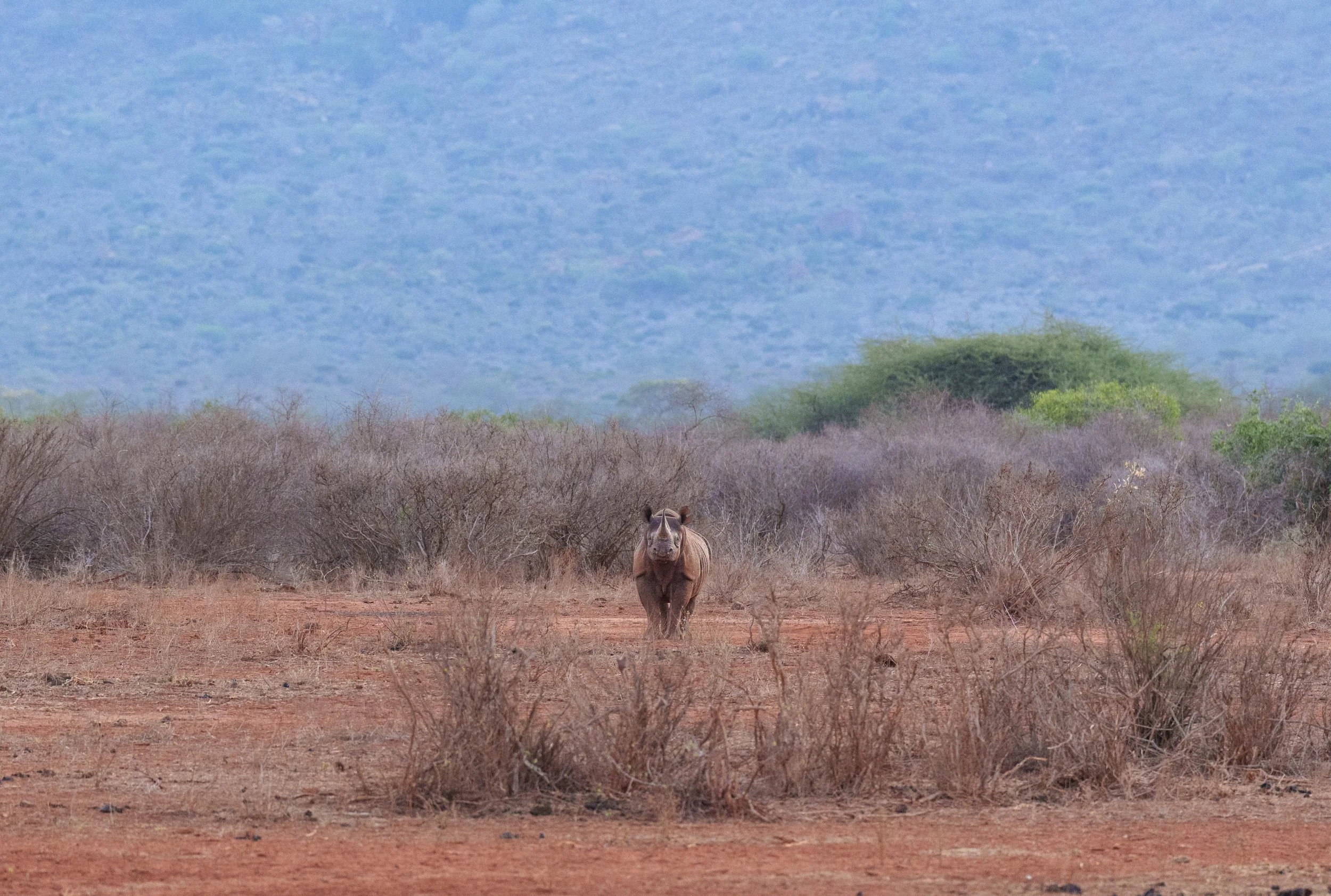
KRRE have seen a hugely exciting development with the official recognition of the Tsavo West Rhino Sanctuary !
Tsavo and the Rhino Range Expansion
In Tsavo, a major national conservation milestone was reached with the formal creation of the Tsavo West Rhino Sanctuary, covering approximately 740,000 acres. This marks a significant shift from the former Ngulia Rhino Sanctuary and represents a bold commitment to landscape-scale rhino conservation. WildLandscapes has played an active role in supporting this transition, contributing to the early stages of the Kenya Rhino Range Expansion, supporting Tsavo Trust, and strengthening Kenya Wildlife Service capacity through equipment support. We have also completed due diligence on Kenya Triangle Ranch — a strategically important property that forms a vital connection between Tsavo West National Park and Tanzania’s Mkomazi National Park — and are now working with KWS to advance the appraisal process.