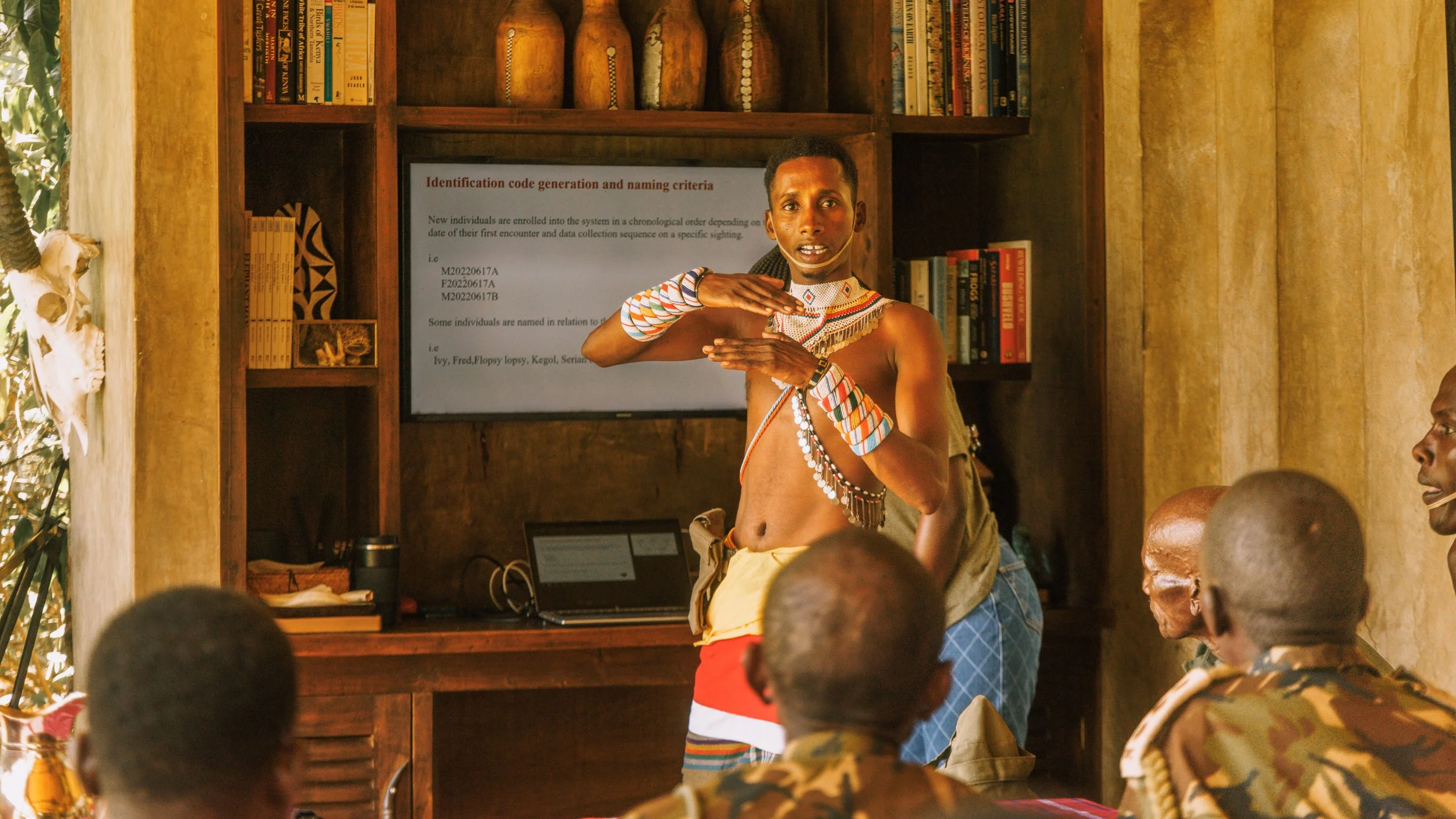
There's a scene that plays out regularly across conservation projects worldwide: a researcher arrives with GPS collars, ready to track wildlife movements and identify habitat corridors. Meanwhile, a herder who's spent 40 years walking these same hills can tell you where the elephants cross during the dry season, which ravines the leopards favour, and when the buffalo herds shifted their routes, all without consulting a single map. They would point to a ridge you hadn't noticed and say something like: "The elephants always come that way when the rains are late. My grandfather told me.”
Similarly, walk into any research station along the Pacific coast and you'll find scientists hunched over computers, tracking migration patterns, crunching population models, analyzing decades of survey data. Drive 20 minutes in any direction and you'll meet fishermen who can tell you that the herring aren't running like they used to, that the salmon are showing up two weeks earlier than their grandfathers remembered, that something fundamental has shifted in the timing of the seasons.
Too often, these two forms of knowledge never quite meet, with conservation treating science as the senior partner in this relationship. The researcher writes up findings in a journal few locals will read. The herder's observations, passed down through generations and refined by daily experience, remain unrecorded, unvalidated by the formal conservation establishment. Local insight got filed under "traditional ecological knowledge," a phrase that sounds respectful but often translates to "nice to have, not need to have." The result has been decades of well-intentioned projects that looked perfect on paper and fell apart on the ground.
The best conservation work happens when scientific precision meets ground-level observation. When GPS tracking data gets cross-referenced with knowledge passed down through generations, when researchers stop assuming they're the only ones who know how to read a landscape, and communities stop assuming science has nothing useful to offer them. While data and research provide structure such as population trends, genetic diversity, disease prevalence, and climate models, local knowledge fills in what satellites can't see. This includes behavioral patterns, seasonal variations, early warning signs, and the subtle relationships that make an ecosystem function.
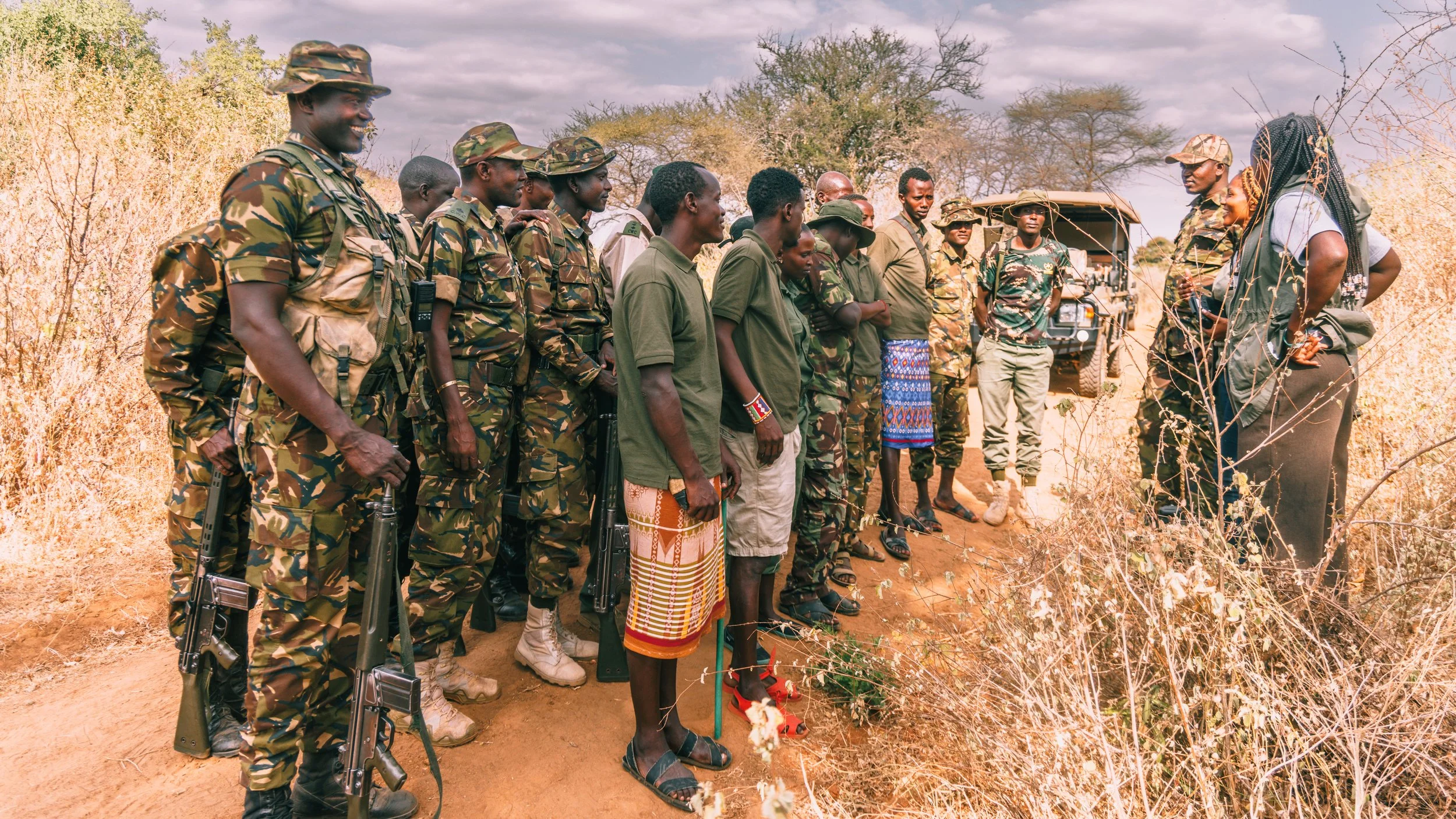
Photo (and cover): Kalepo Camp. When local knowledge meets science, real conservation can happen.
What Communities See That Sensors Miss
A sudden drop in fish catches might look like overfishing on a spreadsheet. A fisherman might know it correlates with a change in current patterns he noticed three seasons ago, something older fishers say happened once before, 40 years back, and lasted for five years. Scientific data will tell you what happened, local knowledge will often explain what it means.
In Bolivia's Madidi and Pilón Lajas protected areas, Indigenous Tacana and Tsimane-Mosetene communities have tracked jaguars and other large mammals for generations. Men learn animal tracking from their fathers and grandfathers, accumulating knowledge about movement patterns, territorial behaviour, and seasonal shifts. When the Wildlife Conservation Society tested track surveys led by Indigenous guides against camera traps (the gold standard for wildlife research), they found the track surveys cost 85% less, covered more ground, and provided comparable data quality. The guides knew exactly what to look for and where animals were likely to travel.
In East Africa, pastoralist communities describe changes in bird arrival patterns that predate any formal ornithological records. They recall which plant species used to grow where, and when they disappeared. They remember the last time a particular spring dried up, and what happened to the animals that depended on it. They've been watching the same stretch of land for generations, holding institutional memory that no database can match.
None of this makes science obsolete, but treating local knowledge as merely supplementary misses the point entirely.
Where the Two Meet
Integrating these two ways of knowing isn't straightforward. Science demands replication, falsifiability, peer review. Local knowledge is anecdotal, qualitative, often contradictory between informants. Elders from the same village might disagree about whether elephant movements have changed, and both might be right, depending on which herd they've been watching.
There's also the power imbalance. Conservation planning happens in offices, in languages like English and French, using frameworks developed in European and American universities. Communities participate as "stakeholders", a word that sounds inclusive yet usually means they're consulted after the important decisions have been made.
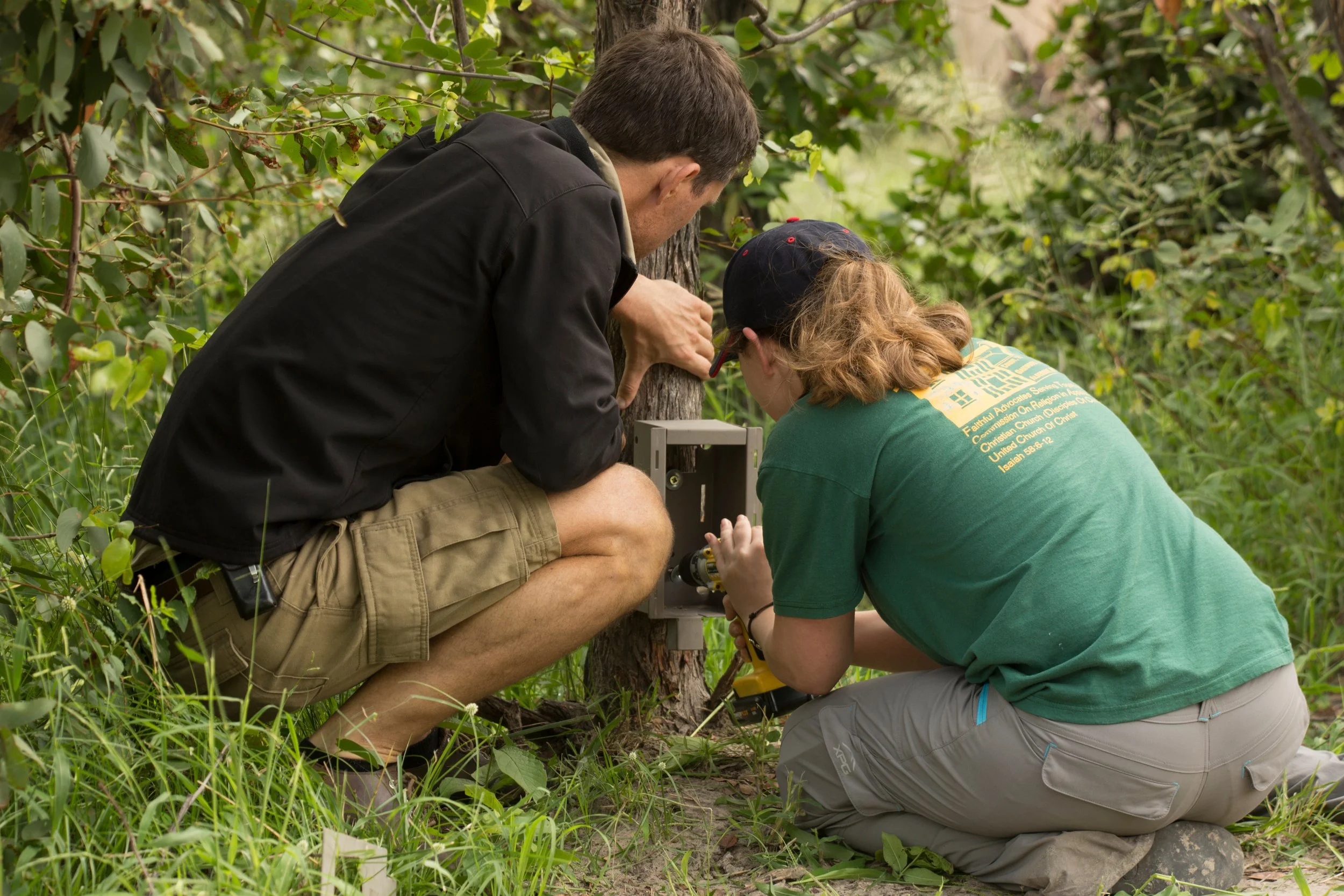
In Namibia's communal conservancies, local game guards track wildlife using methods they developed themselves, adapted from traditional hunting knowledge. Their data feeds into national monitoring systems that inform policy. It took years to build the trust that made this possible. The conservancies now manage more than 20% of Namibia's land, and wildlife populations have rebounded dramatically.
In Canada, co-management boards that include Indigenous representatives have become the norm for Arctic wildlife decisions. When caribou herds declined, Inuit knowledge about changing ice conditions and predator behaviour helped explain patterns that biologists couldn't account for with population models alone. The resulting management plans combined scientific harvest limits with traditional hunting practices that had maintained herds for millennia.
This work is slow and often frustrating. It means sitting through meetings that feel unproductive, gathering information that resists neat categorisation, making decisions that neither peer-reviewed evidence nor generations of tradition can fully justify on their own. It requires something institutions aren't built for: admitting that no single way of knowing has all the answers.
The efforts that have genuinely succeeded treat communities as experts whose knowledge researchers actually need, not as consultants brought in after the planning is done. They combine the rigour of formal science with the depth of lived experience from the outset.
The question worth asking isn't whether science or local knowledge is better - i. It's how to build systems that actually use both.