
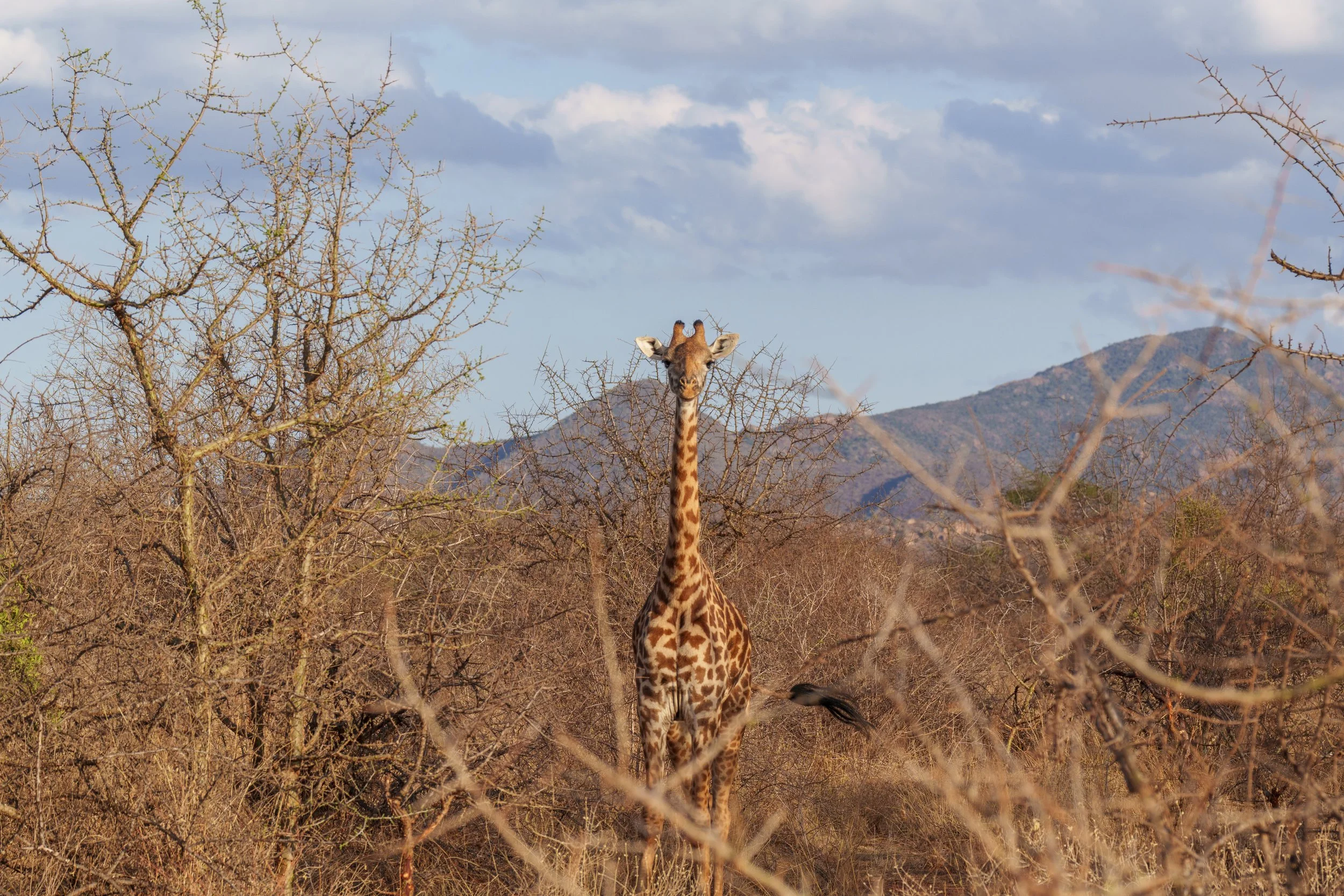
CONNECTING KENYAN LANDSCAPES FOR RHINOS
Kenya’s rhino conservation is rightly hailed as one of the world’s most remarkable success stories. Thanks to decades of dedication from rangers, wildlife authorities, and conservationists, rhino numbers - especially the critically endangered black rhino - are steadily rising. But this success brings a new challenge: space. Many sanctuaries are now at or bursting beyond capacity, placing stress on habitats and limiting future growth.
To tackle this, the Kenya Rhino Range Expansion (KRRE) was conceived. Spearheaded by the Association of Private & Community Land Rhino Sanctuaries (APLRS) in partnership with Kenya Wildlife Service (KWS), with early start-up costs supported by WildLandscapes, this ambitious, multi-stakeholder initiative aims to secure enough habitat to double Kenya’s black rhino population - as set out in the Recovery and Action Plan for the Black Rhino in Kenya (2022–2026).
The first landscape targeted was the vast Tsavo Conservation Area, home to an estimated 8,000 black rhinos in 1970 - declining to fewer than 30 by the early 1980s due to poaching, habitat loss, and environmental degradation. Despite this collapse, the region’s ecological strength remains, offering an excellent foundation for recovery.
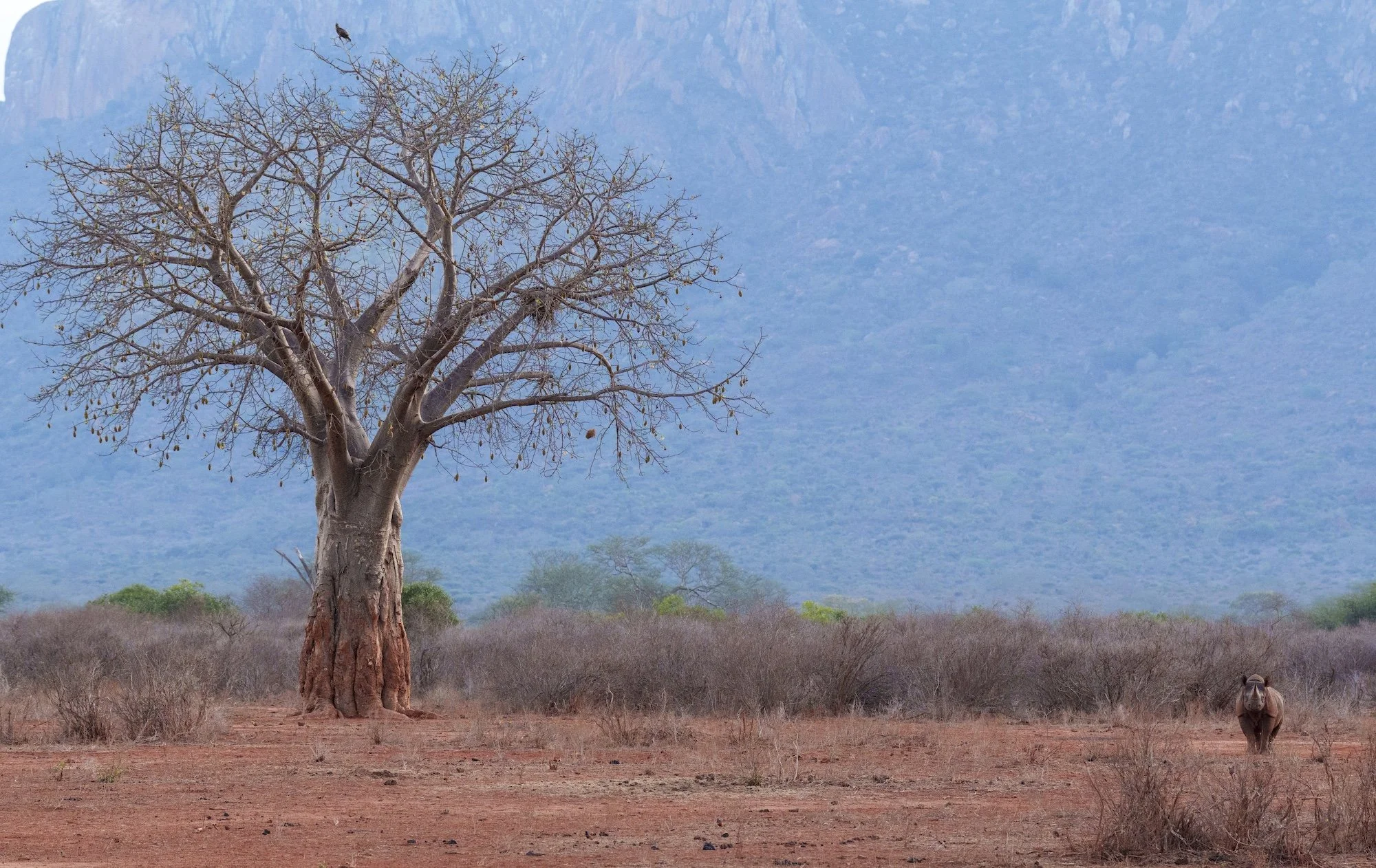
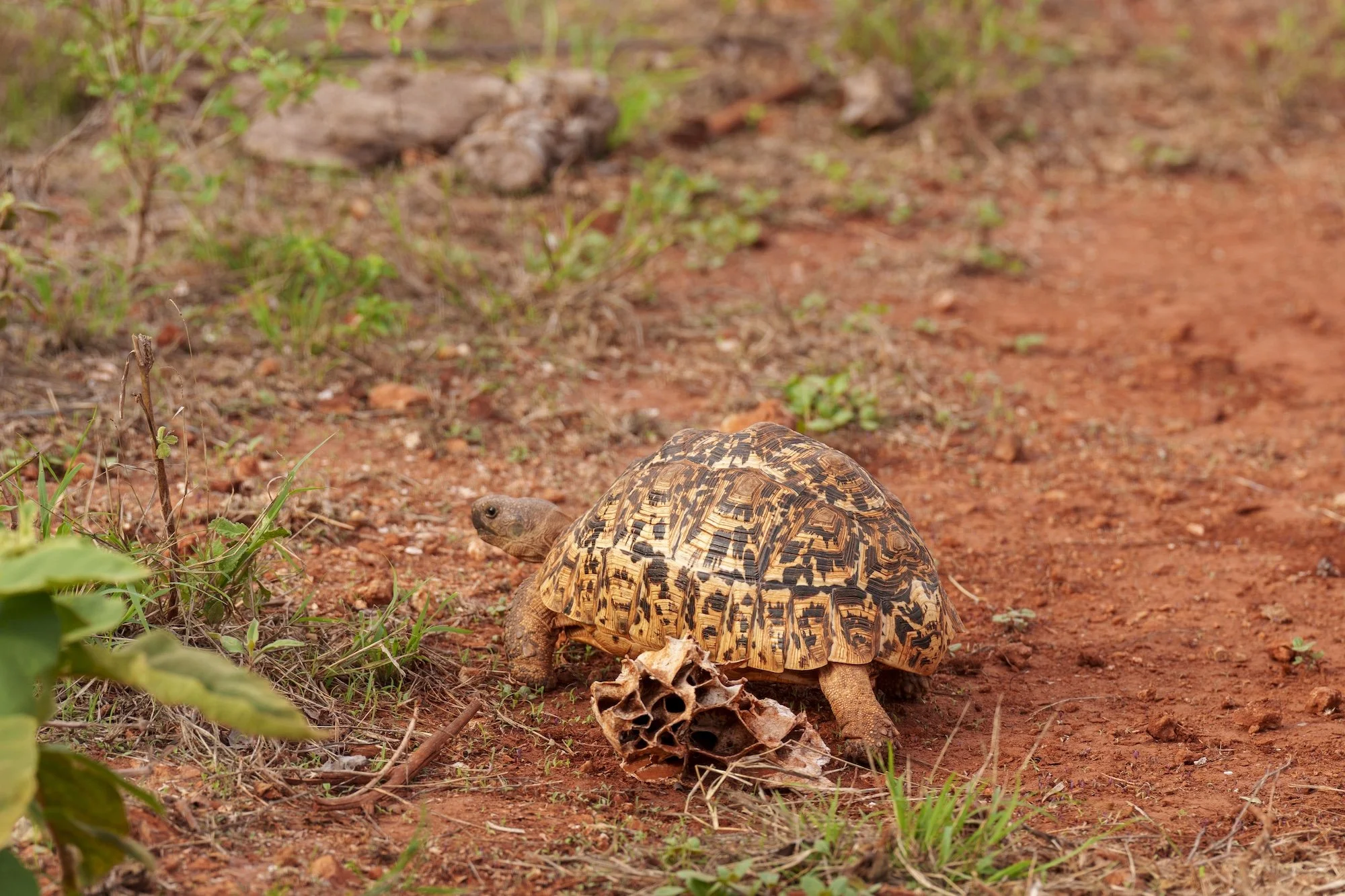
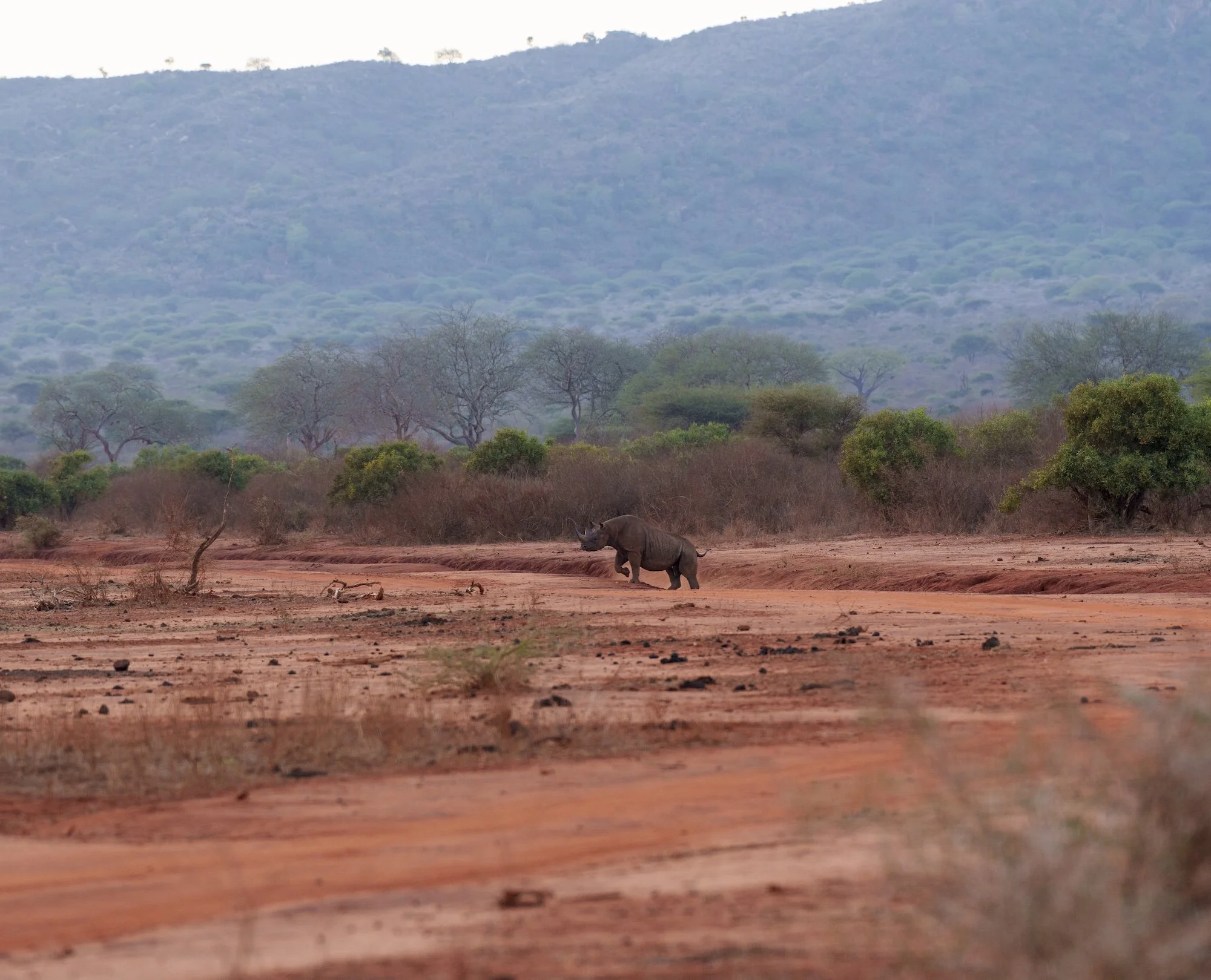

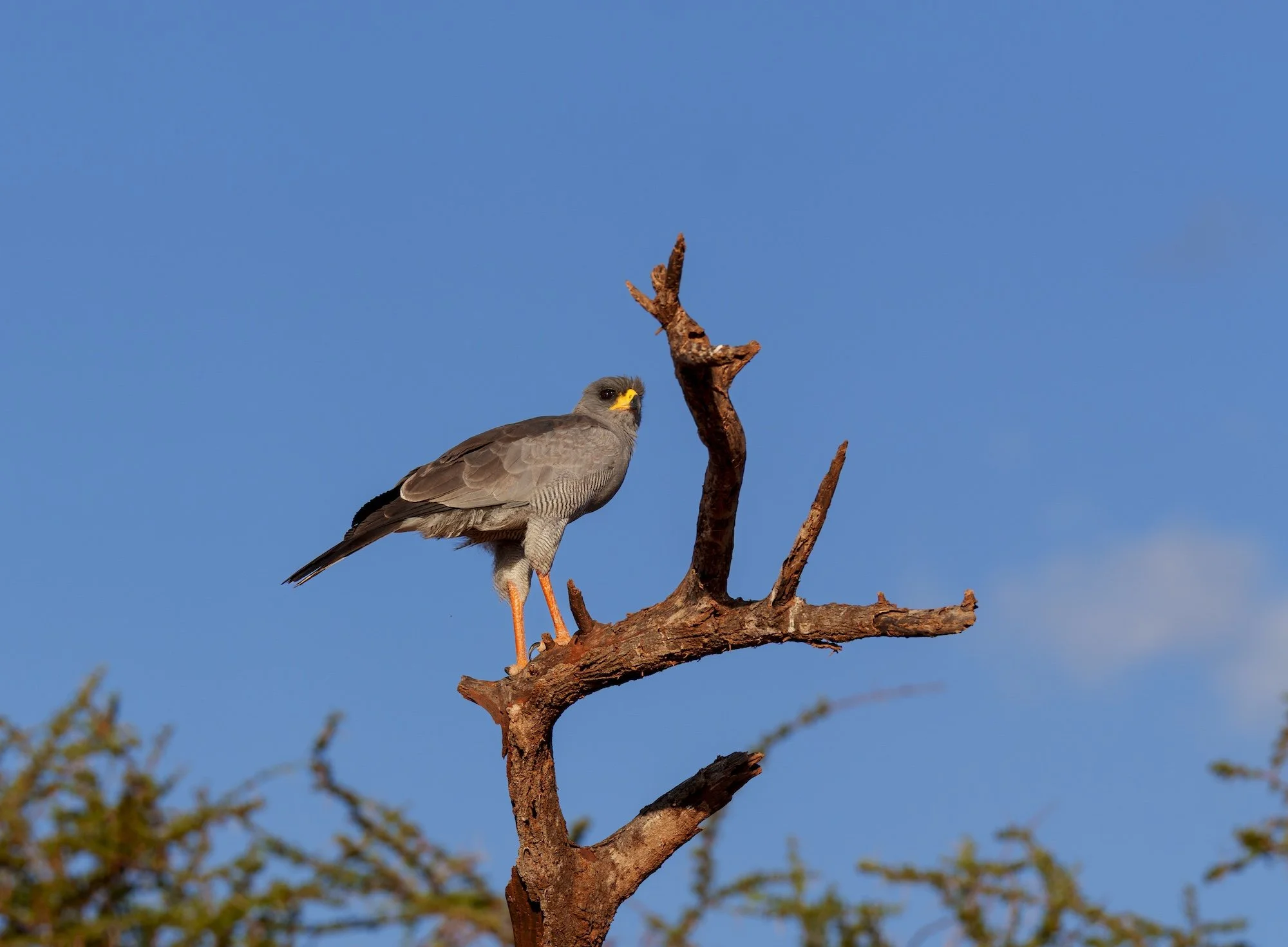

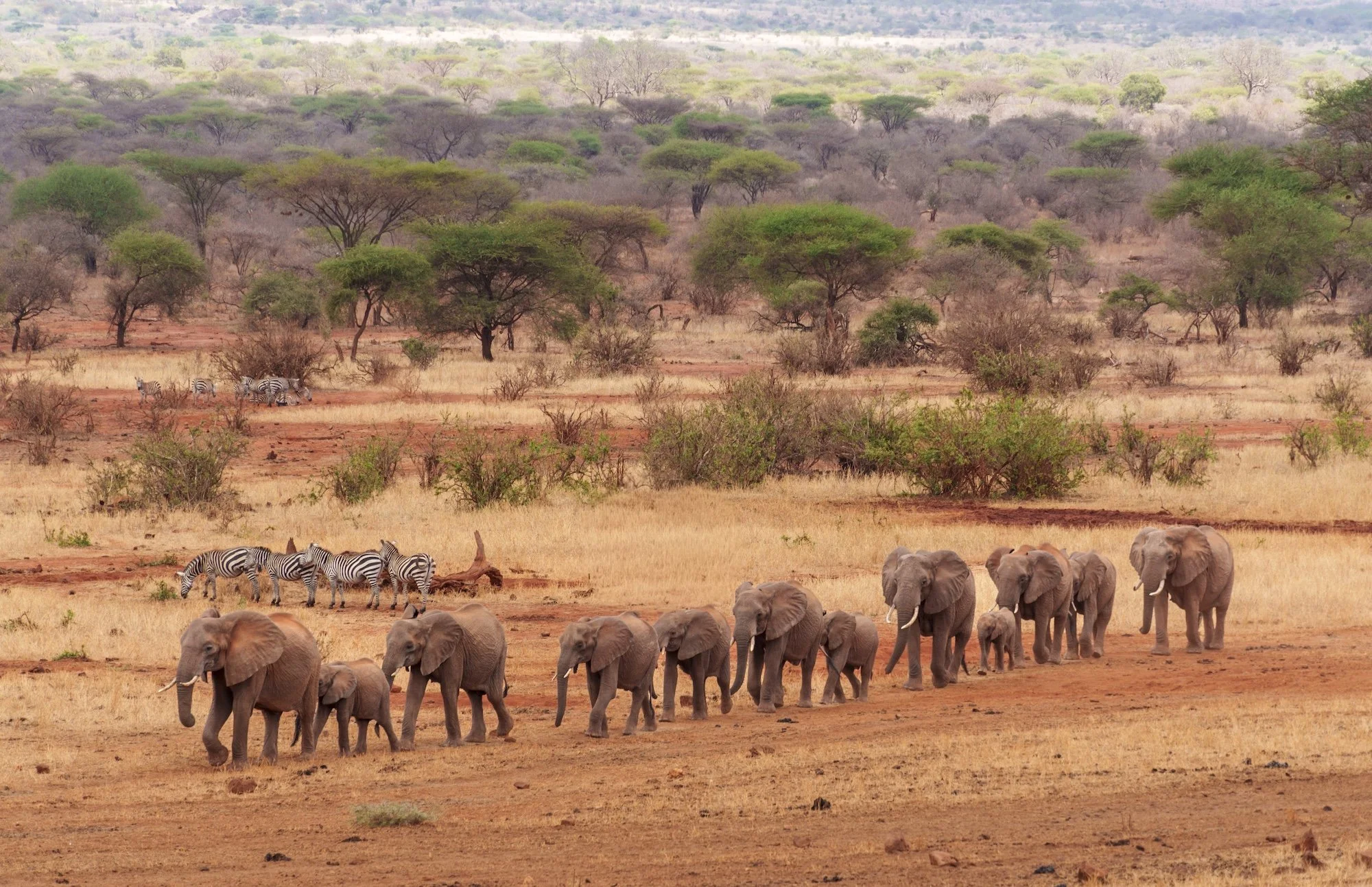
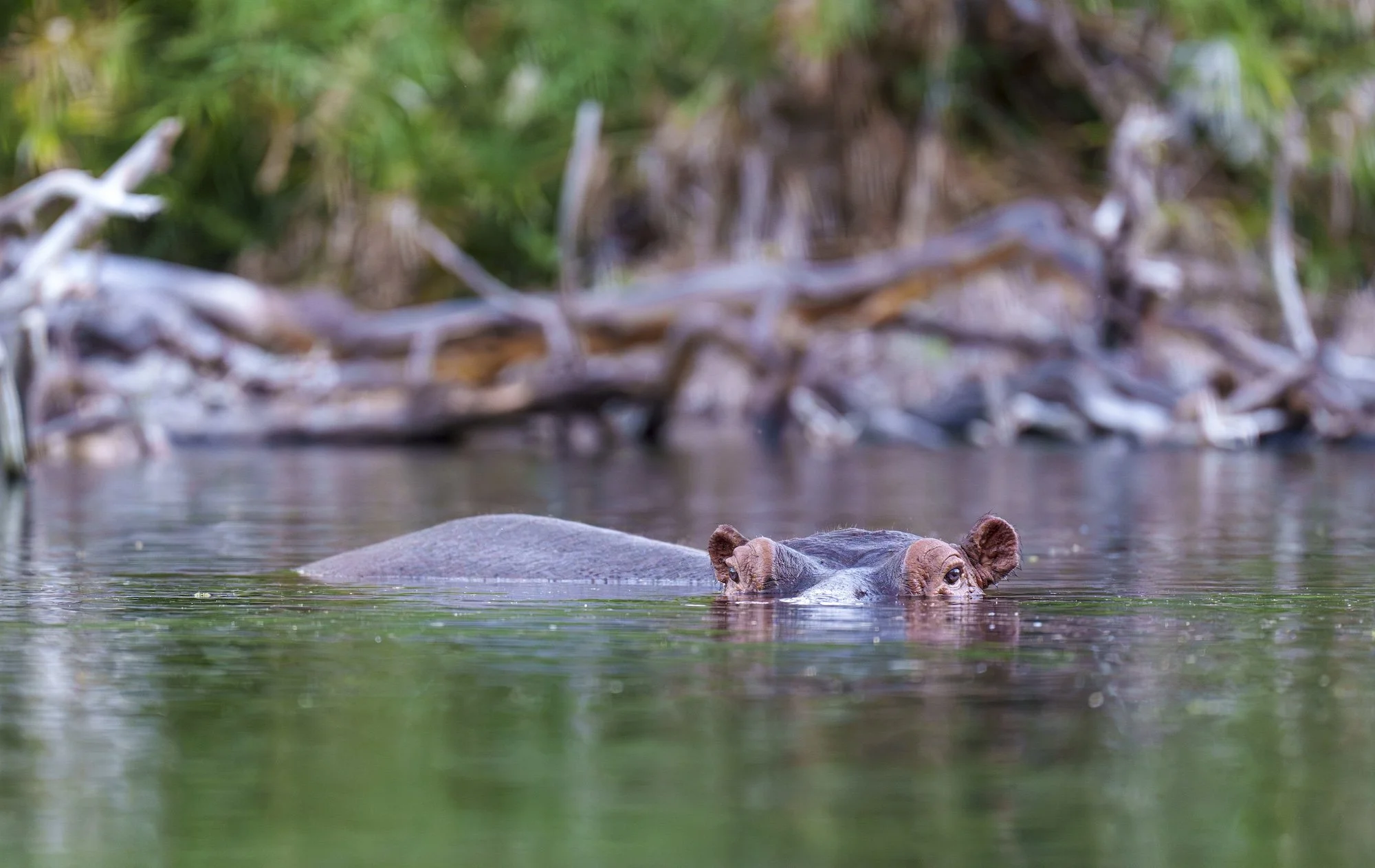
KRRE’s approach centered on expanding the Ngulia Rhino Sanctuary in Tsavo West National Park. Originally fenced at about 90 km² (22,000 acres), Ngulia was already over capacity - with around 120–134 rhinos, exceeding its optimum carrying threshold (~45 rhinos). The KRRE and KWS extended protection across the full Intensive Protection Zone (IPZ), a roughly 3,000 km² (740,000‑acre) area. In a major step for rhino conservation in Kenya, the Tsavo West Rhino Sanctuary was opened December 9, 2025, by President William Ruto. This space can now support over 1,500 rhinos, re-establishing Tsavo as one of Africa’s premier rhino strongholds.
WildLandscapes International was proud to support the early planning and groundwork for the KRRE initiative. Today, the initiative has strong support from the Kenyan government and a growing network of partners working to expand the country's rhino range.
Our current work in Tsavo focuses on exploring opportunities to strengthen the long-term sustainability of conservation across the wider ecosystem. This includes supporting the Kenya Wildlife Service (KWS) as it investigates potential entrepreneurial ventures and tourism models that could generate revenue for conservation and help sustain the management of the landscape. The aim is to identify practical approaches that can support the long-term future of conservation in Tsavo.
Kenya Wildlife Service (KWS) is the national authority responsible for conserving Kenya’s wildlife and protected areas. Established in 1989, it manages over 40 national parks and reserves, oversees ecological monitoring, and addresses human–wildlife conflict. KWS works with communities, private landowners, and NGOs to protect biodiversity and maintain essential corridors across Kenya.