We’re pleased to share our latest quarterly update, where you’ll see growth on two fronts: within our organisation, and out in the landscapes where we work.
Bear Hill
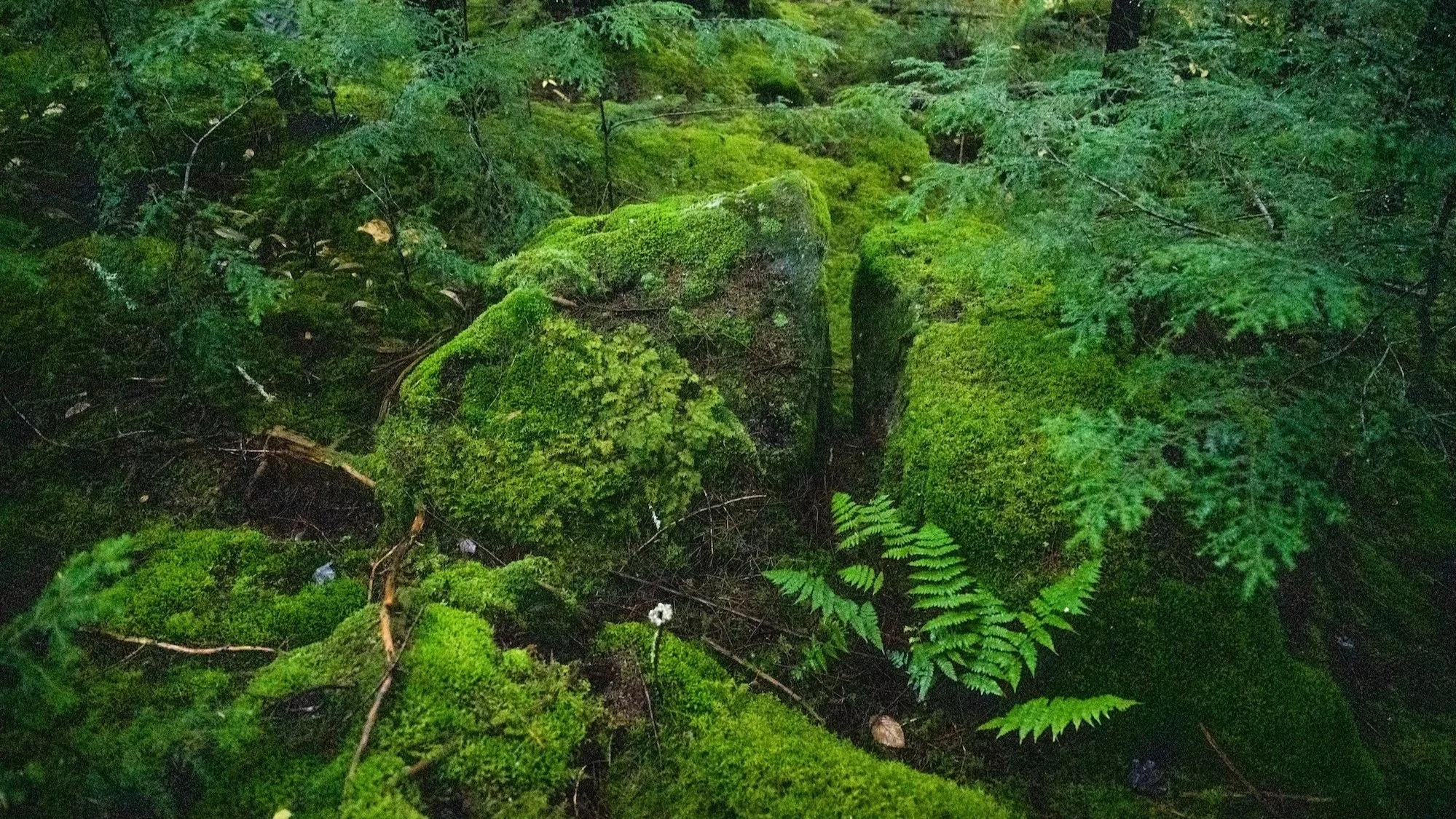
There has been a lot happening in New Hampshire. We continue to enjoy time in this landscape of forests, rivers, and wildlife, and one of our new efforts is working with Bear Hill Conservancy Trust (BHCT) manager Bill Warner on restoring habitat for declining grassland birds such as bobolinks and Eastern meadowlarks. As fire suppression and forest encroachment reduce early successional habitat, we are advising on tree clearing and vegetation management to bring back the open spaces these species need.
In addition, David Roby, the founder of BHCT, has acquired two more properties nearby, which we are working to secure under conservation easements with a local land trust. This is part of a wider effort we are calling the “Appalachian Highlands” - a beautiful region through which the Appalachian Trail runs. The area faces a real risk: shifting land-use pressures, tax challenges, and potential sales of large forest blocks. Without action, this could mean a significant turnover of land, with serious consequences for ecology and scenery alike.
Our aim is to help families protect their land while sustaining livelihoods: selling conservation easements, practicing sustainable timber harvesting, and keeping landscapes intact. By working with partners such as Green Woodlands, neighbours to Bear Hill, we hope to protect both the ecological health of the Highlands and the character of its rural communities.
Tsavo Conservation Area
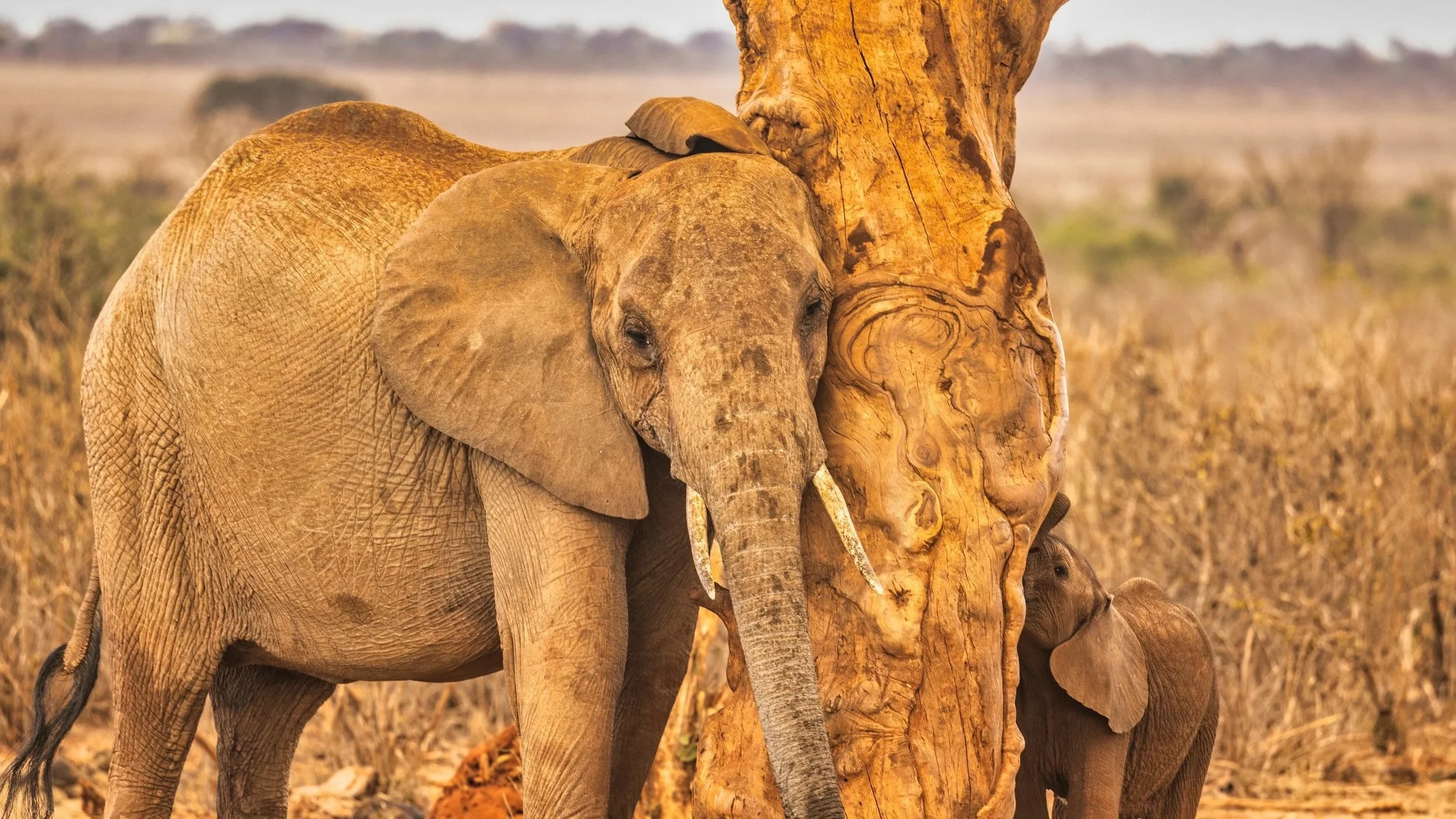
In September five vehicles were donated to Tsavo Trust to support the Kenya Wildlife Service (KWS) in their work across the vast Tsavo Conservation Area. Four came through WildLandscapes thanks to the generosity of David Roby of Bear Hill, and a fifth from re:Wild. These vehicles will help strengthen KWS’s patrol and monitoring capacity in one of East Africa’s largest protected areas.
Tsavo Trust has been active since 2012 and continues to deliver results despite major challenges, from poaching and insecurity to rising conservation costs. Earlier this year, emergency support from the Edgerton Foundation and the Essex Avenue Foundation enabled Tsavo Trust to keep teams in the field at a critical time.
In partnership with KWS, Tsavo Trust is working to ready the area for its future as a secure habitat for rhinos. Tsavo is set to become the largest rhino sanctuary in East Africa, and we are glad to do whatever we can to help make that vision real.


The Bees are Working at Mugie Conservancy
In late 2024, we were delighted to help Mugie Conservancy secure a grant from the Adventure Travel Conservation Fund (ATCF), which has supported a beekeeping project led by Pokot women. The project is giving families a reliable income while encouraging care for land and wildlife.
Seventy hives are now in place and producing honey — a hugely encouraging step forward. Some have been positioned along crop edges, where they both support honey production and deter elephants, which avoid bees, from raiding maize. Equipment has been purchased, and the permanent stone-and-concrete honey house, Nyuki House, is nearing completion. Once finished, it will act as a central hub for processing, packaging, and quality control. Community members will also be able to watch live demonstrations of honey extraction. Twelve training sessions have already taken place, giving women and youth practical skills in beekeeping and sustainable harvesting.
Emergency Support for the Community Conservancies of Northern Kenya
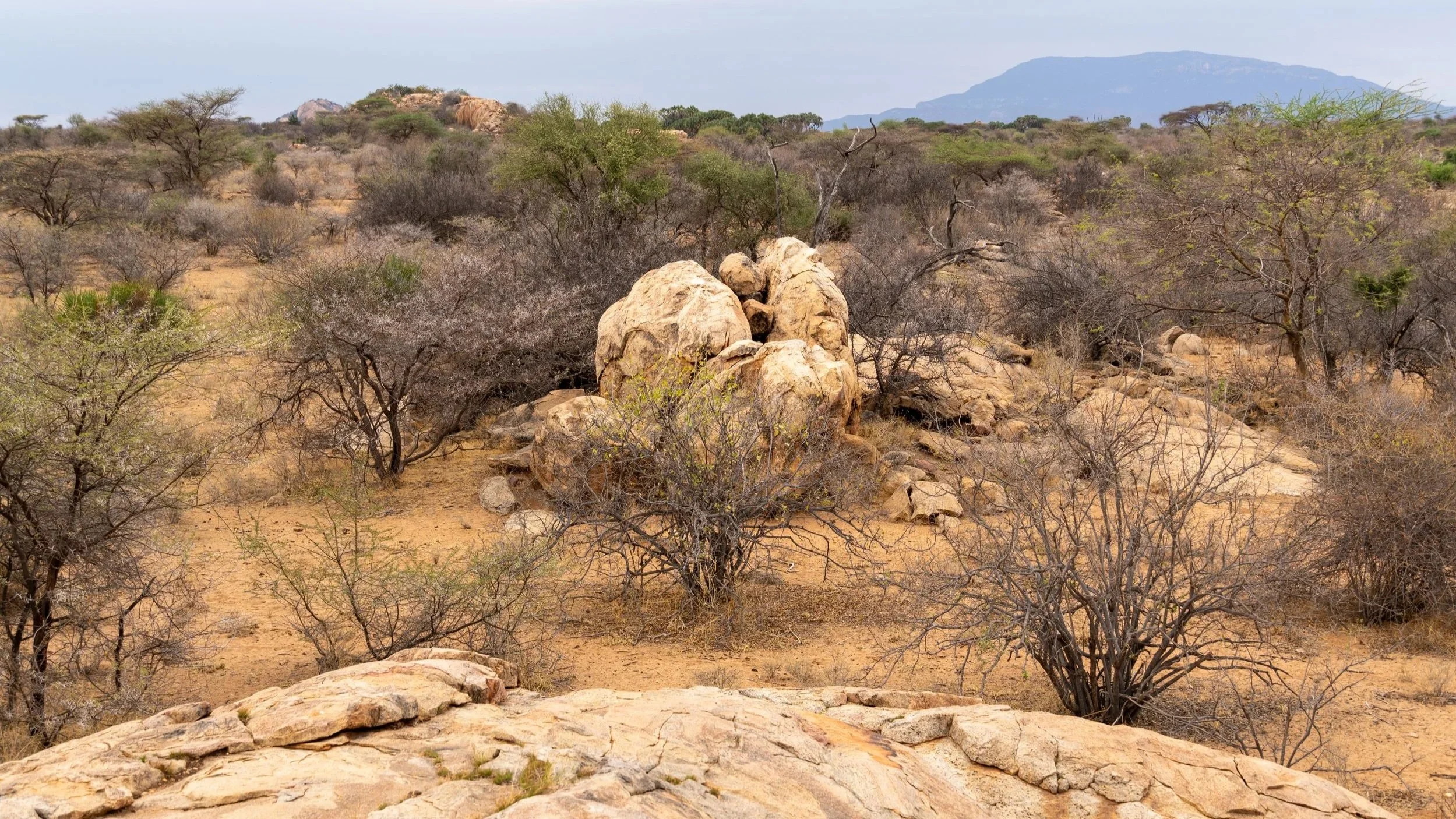
Besides our core projects, we have also supported a few community conservancies with emergency support packages over the past few months. Many had been left exposed by the sudden collapse of USAID funding. With budgets cut overnight, many were unable to pay rangers, fuel vehicles, or cover basic operating costs — threatening both security and livelihoods.
Our immediate focus has been on essentials: food, fuel, and salaries. These keep patrols moving, security intact, and communities engaged in protecting their land and wildlife. We have been able to support several conservancies in the Meru to Marsabit corridor, one of our focus landscapes, through the generous support of our donors. This includes Shurr, Biliqo Bulesa, Songa, Jaldesa, and Sera. This stopgap assistance has helped stabilise operations while longer-term solutions are put in place.
This work highlights a core truth: conservation cannot succeed if communities are left unsupported. By stepping in quickly, we’ve been able to prevent hard-won progress from unravelling, giving conservancies the space to plan for the future.
Sera Wildlife Conservancy, which has been operational since 2001, serves as an inspiring role model for community conservation. Pioneers of community-led rhino conservation, they are proving to the world that the best guardians might just be those most closely tied to outcomes - particularly when properly equipped with the tools and skills to match the biggest challenges.
David Visits South Africa
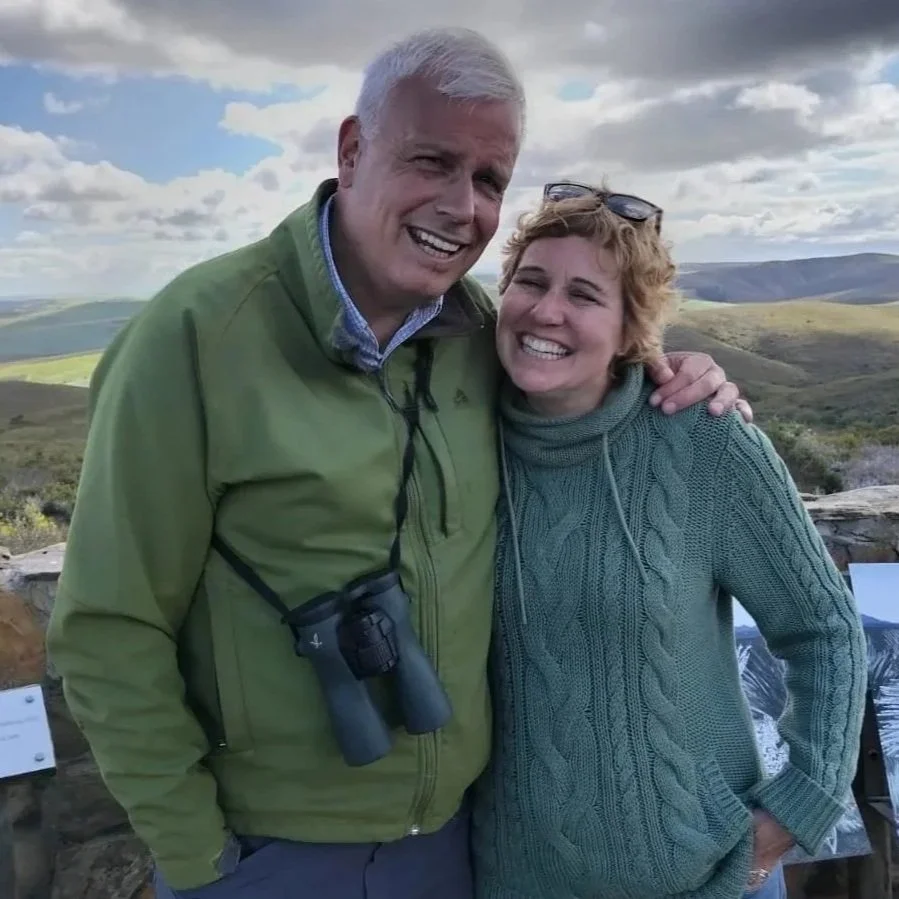
Our Founder and CEO, David Houghton, recently visited Dr. Odette Curtis-Scott and the team at the Overberg Renosterveld Trust in South Africa, and was able to see the Cape Floristic Kingdom in full spring bloom. This landscape is home to extraordinary species, each with its own role in the ecosystem.
Equally important are the human relationships: the network of organisations working together to protect what little remains. With only around 5% of Renosterveld left, collaboration has never been more urgent. Much of the work here is about raising awareness, building shared values, and protecting a biodiversity hotspot of global importance.
We are working alongside ORT to pursue new partnerships, both to raise funds and to secure more land under agreements, easements, or purchase, ensuring a future for this fragile ecosystem.

Congratulations to Nancy Joan, our Conservation Programs Officer
Finally, we are so happy to celebrate our Conservation Programs Officer, Nancy Joan, who graduated top of her class in September with a First Class Bachelor’s degree in Wildlife Management and Conservation. Nancy first joined WildLandscapes as an intern, quickly standing out for her passion, determination, and eagerness to learn.
Her achievement is a reflection of that hard work and talent. Beyond her academic success, Nancy also contributes as a skilled photographer, capturing the beauty of our projects and landscapes. Congratulations, Nancy!